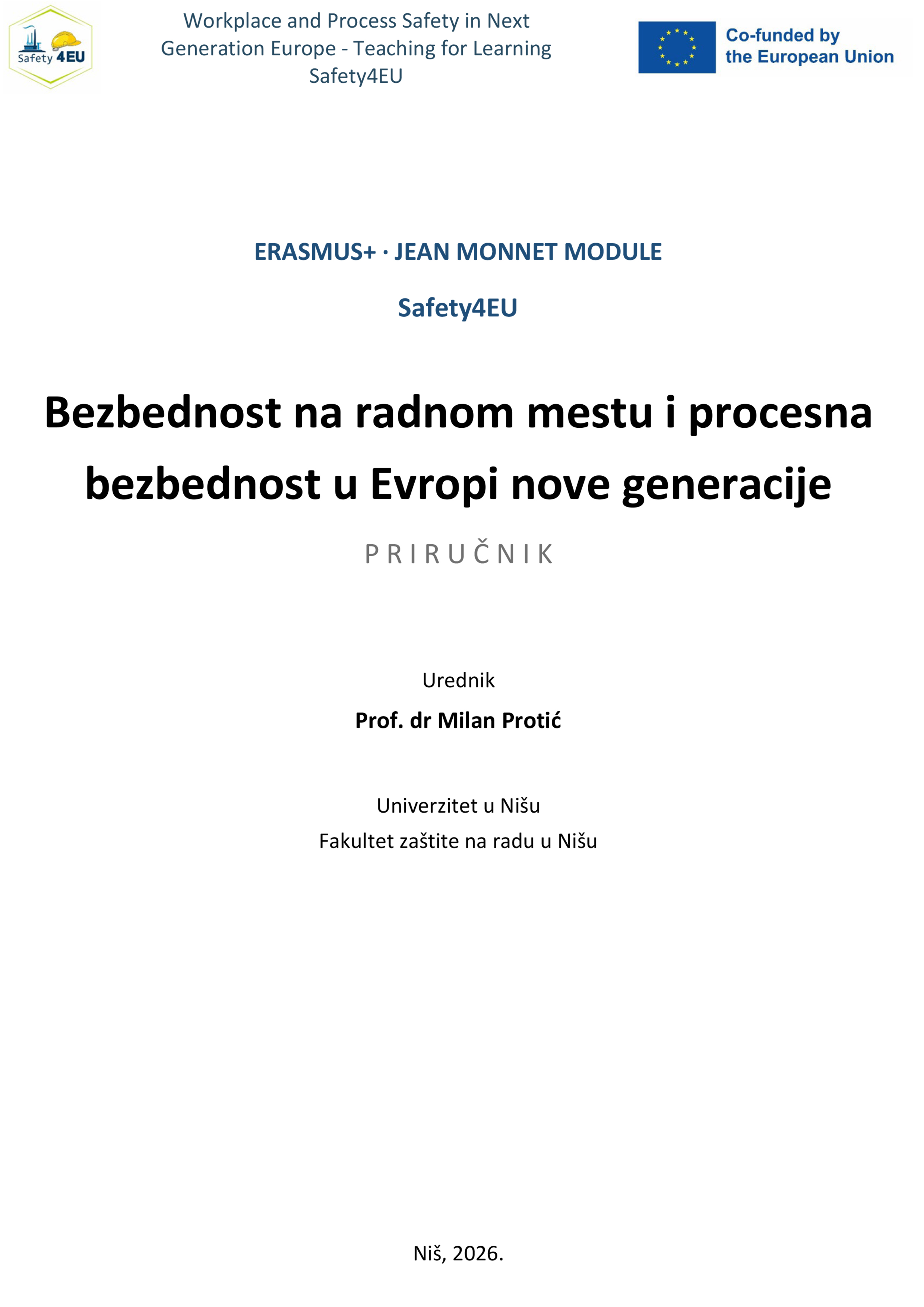
Safety4EU Handbook
25.09.2025.
Safety4EU Dissemination
at the SEMSIE 2025 Conference in Sokobanja
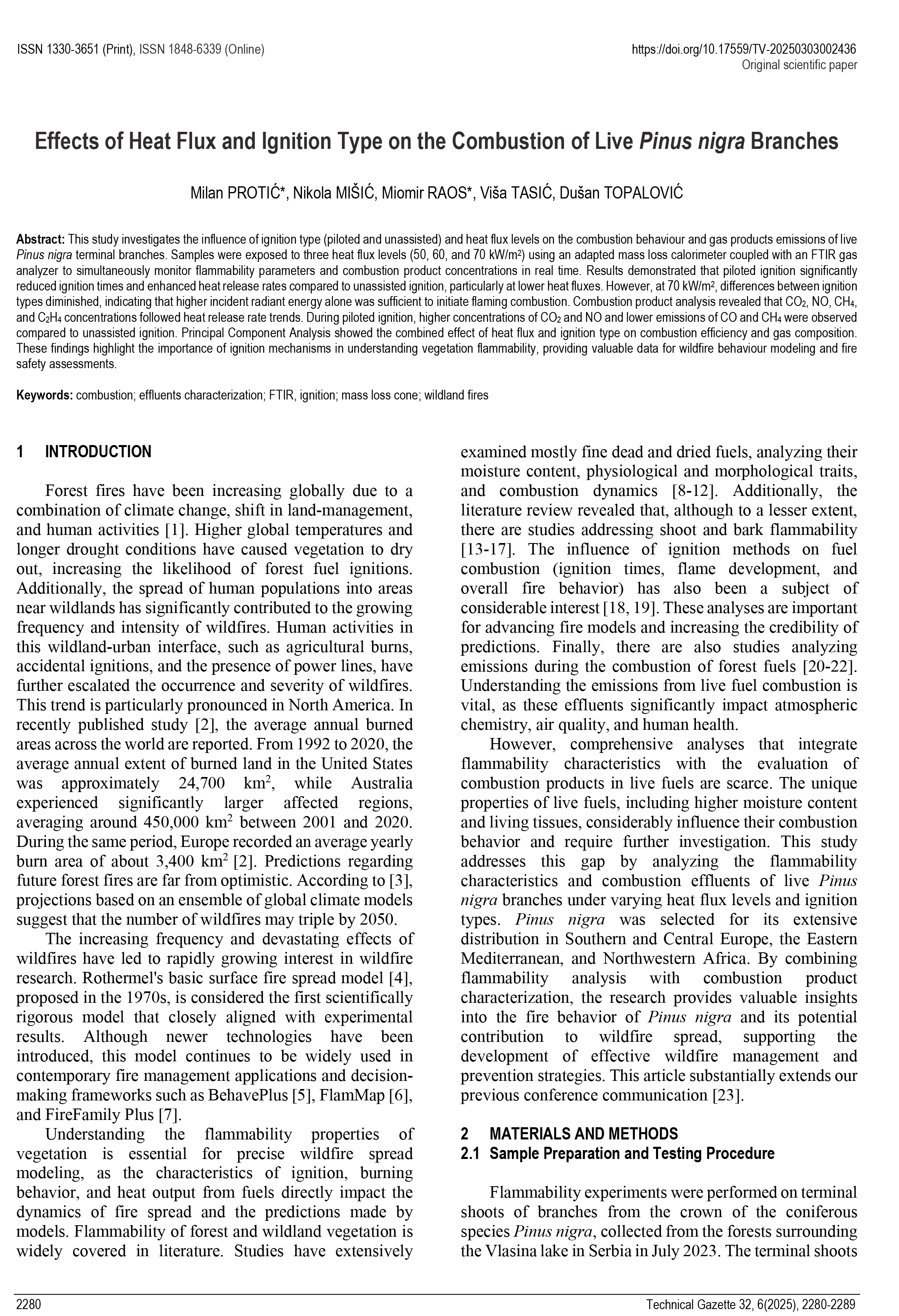
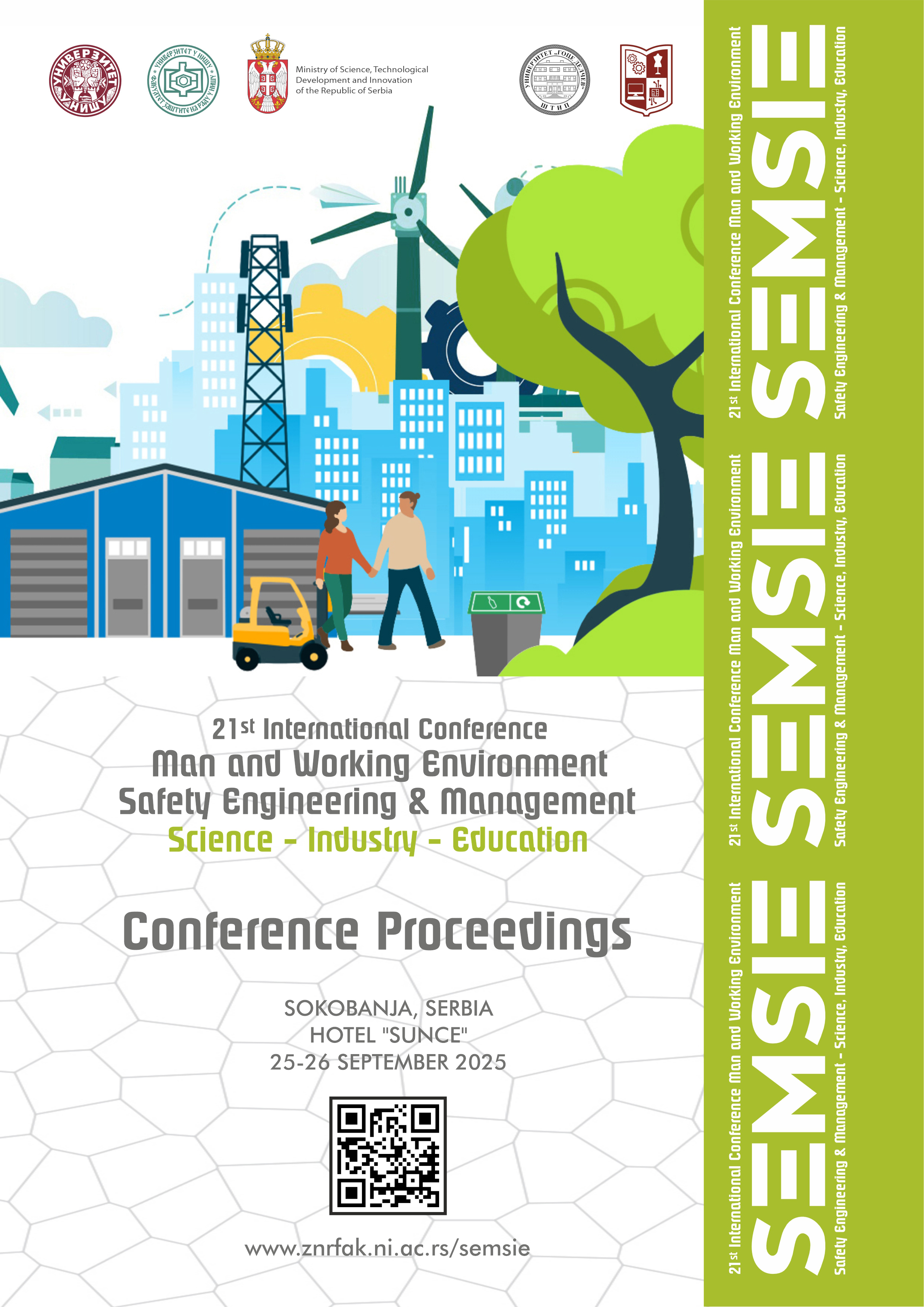
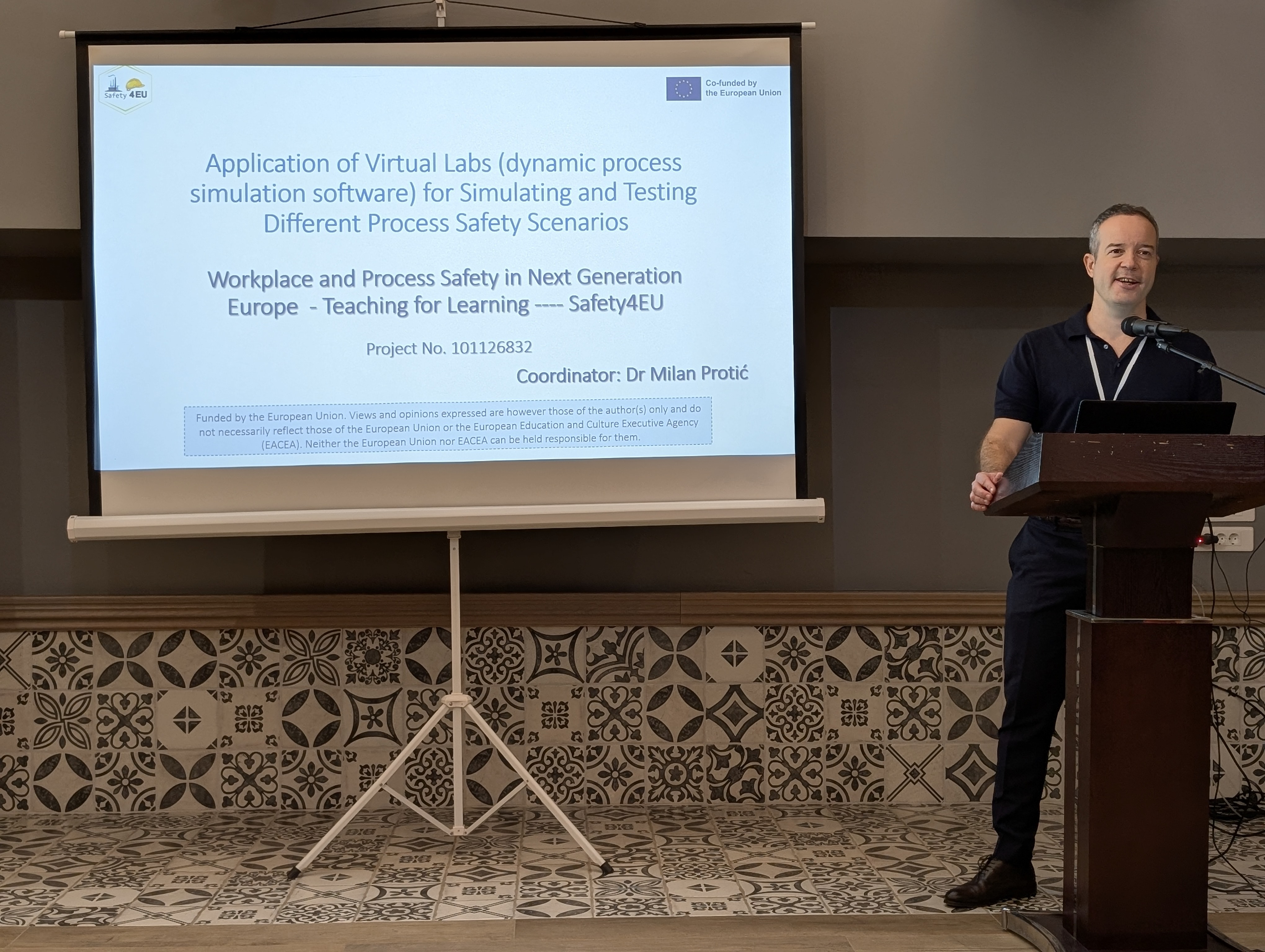
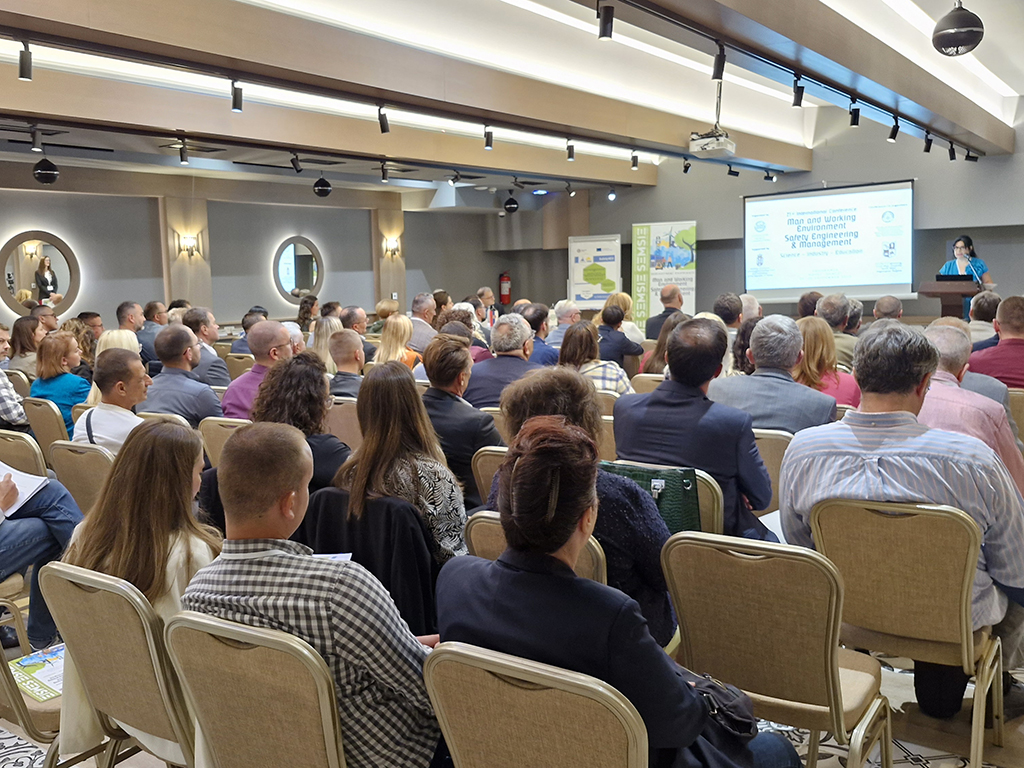
As part of the International Conference “Man and Working Environment” – SEMSIE 2025 Conference, held on September 25–26, Prof. Milan Protić presented key activities and results of the Safety4EU project.
The presentation placed particular emphasis on the application of virtual laboratories based on dynamic process simulation software for simulating and testing different process safety scenarios. Through practical examples, participants were introduced to the ways in which virtual labs contribute to modernizing education, professional training, and preparedness for critical safety events in process industries.
A dedicated session within the conference focused on several important aspects of the Safety4EU project, including an overview of the project objectives and its main pillars, the growing role of IT technologies in workplace and process safety, and the integration of digital tools such as Python, Maple, and AVEVA Process Simulation into academic curricula. The session also included a demonstration of virtual laboratories implemented through the AVEVA software suite.
The conference provided an important opportunity for the exchange of knowledge and experiences with experts and researchers in the fields of occupational and process safety, while also contributing to the wider dissemination and visibility of the Safety4EU project community.
08.04.2026.
Workshop: Practical Exercises in Workplace
and Process Safety Using IT Tools
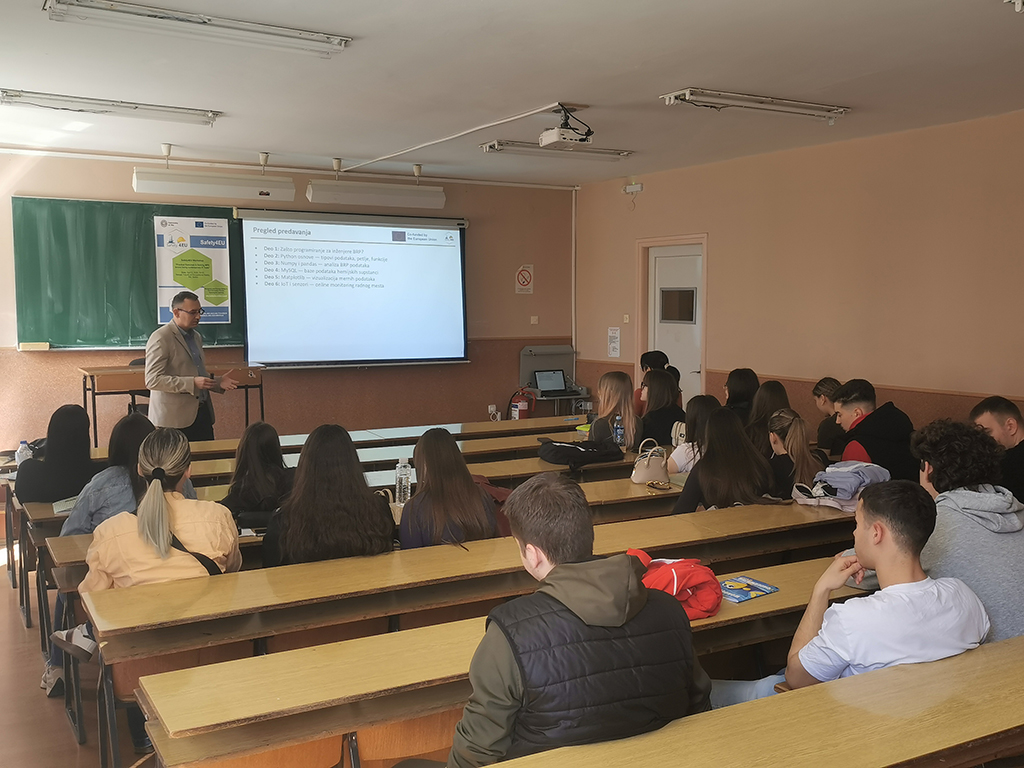
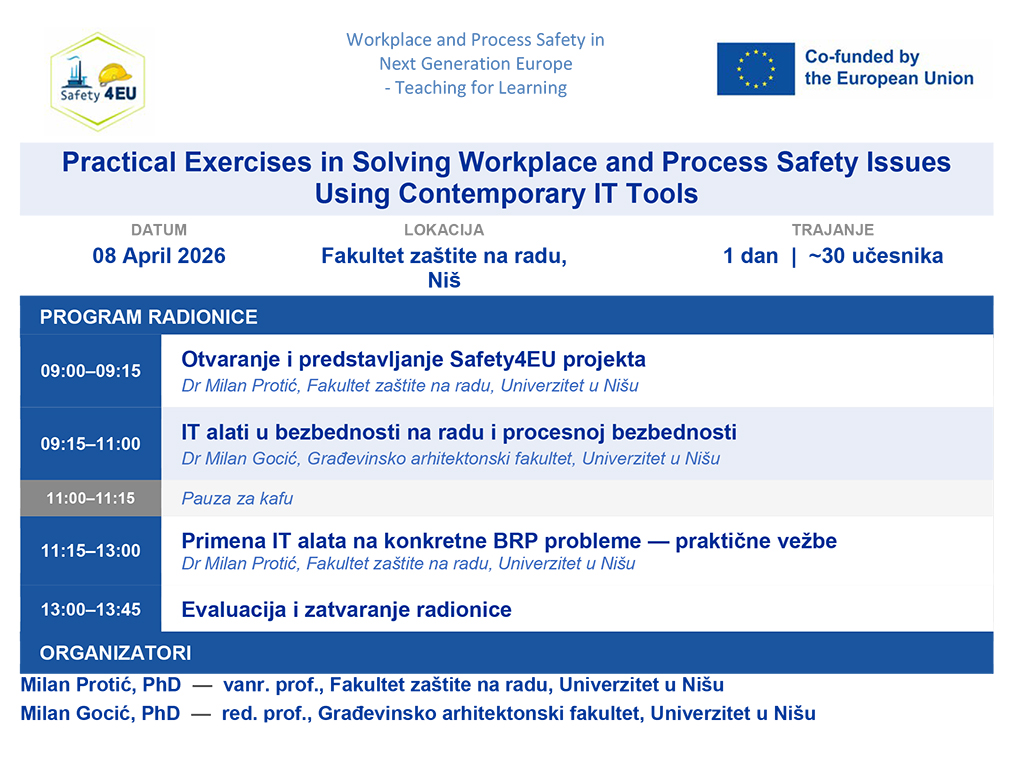
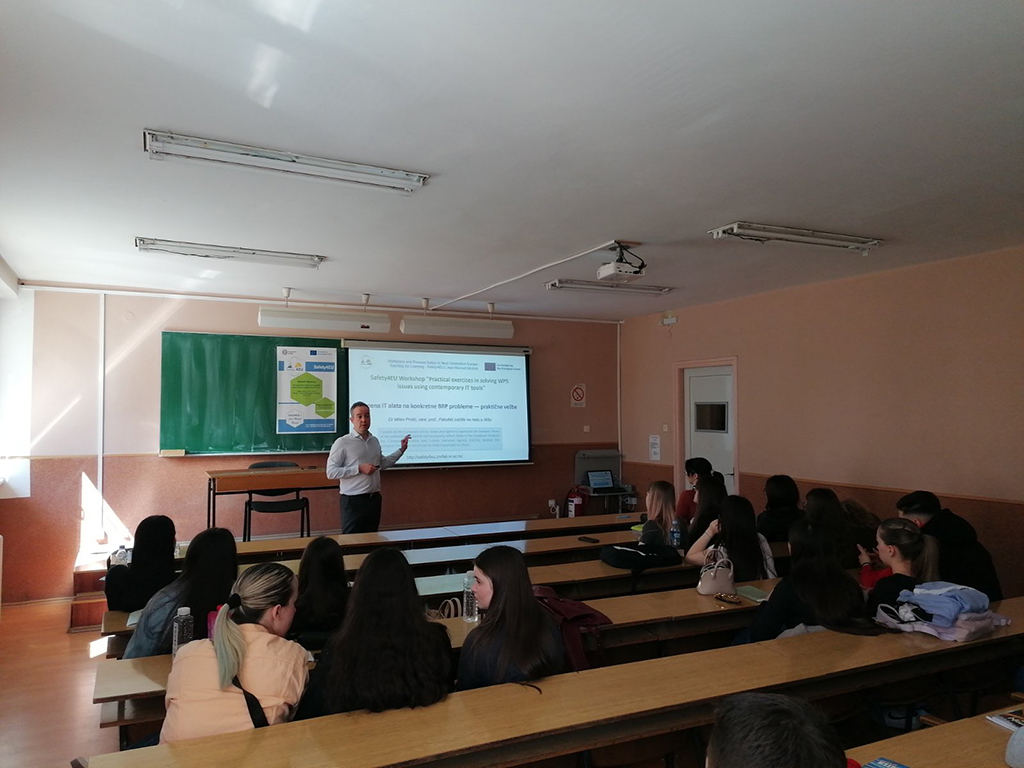
On 8 April 2026, the Faculty of Occupational Safety, University of Niš, organized the workshop “Practical Exercises in Solving Workplace and Process Safety Issues Using Contemporary IT Tools” within the Safety4EU project. The workshop gathered 30 participants, including students and young professionals interested in modern approaches to safety management and digital technologies.
The event was opened by Prof. Dr. Milan Protić, who presented the Safety4EU project, its main objectives, and its contribution to advancing modern safety education aligned with European practices.
The first session, held by Prof. Dr. Milan Gocić from the Faculty of Civil Engineering and Architecture, University of Niš, focused on IT tools in occupational and process safety, introducing participants to digital solutions used in risk assessment, monitoring, and safety analysis.
Following a short coffee break, participants engaged in practical exercises led by Prof. Dr. Milan Protić. This session focused on applying IT tools to specific workplace and process safety scenarios, allowing participants to work on real examples and develop practical problem-solving skills.
14.03.2024.
Roundtable at the University of Niš
Roundtable on Workplace and Process Safety Trends at the University of Niš
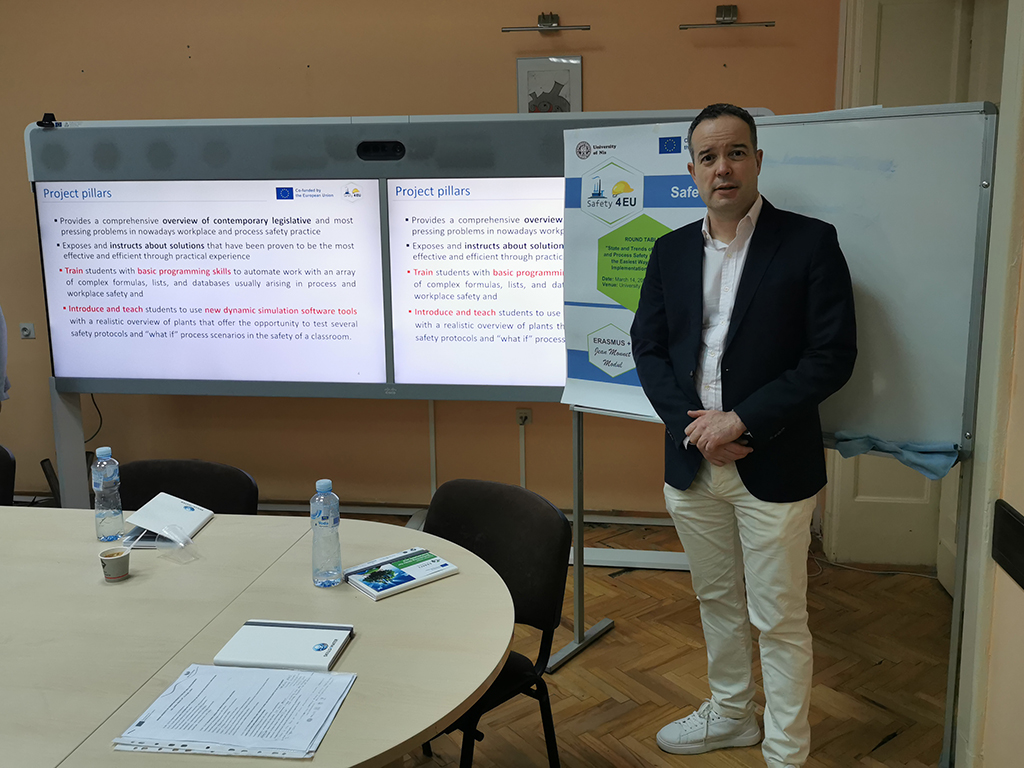
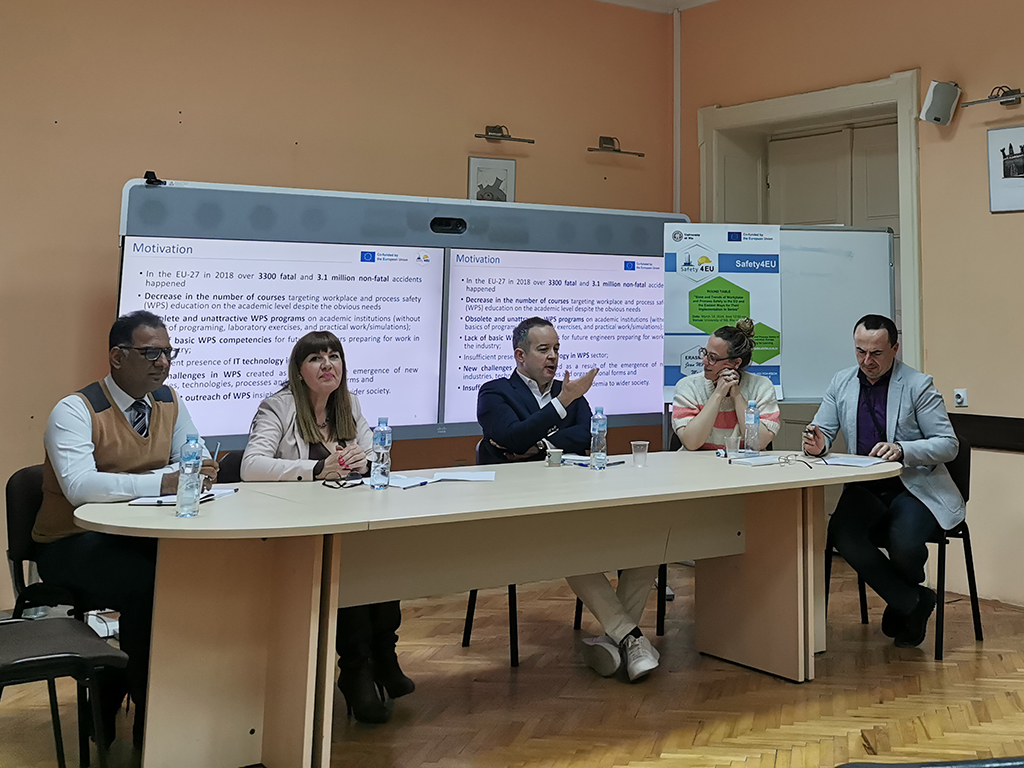
The University of Niš hosted a roundtable titled “State and Trends in Workplace and Process Safety in the EU and Pathways for Their Implementation in Serbia” on 14 March 2024.
During the event, Prof. Milan Protić presented the Safety4EU project, outlining its objectives, structure, and role in advancing education in workplace and process safety across Europe. The discussion highlighted the importance of aligning national practices with evolving EU safety regulations to ensure compliance and enhance worker protection.
Funded by the European Union. Views and opinions expressed are however those of the author(s) only and do not necessarily reflect those of the European Union or the European Education and Culture Executive Agency (EACEA). Neither the European Union nor EACEA can be held responsible for them.