14.05.2026.
Lecture on Data Analysis, Programming & Interpretation – Final Session Covers Advanced Applications
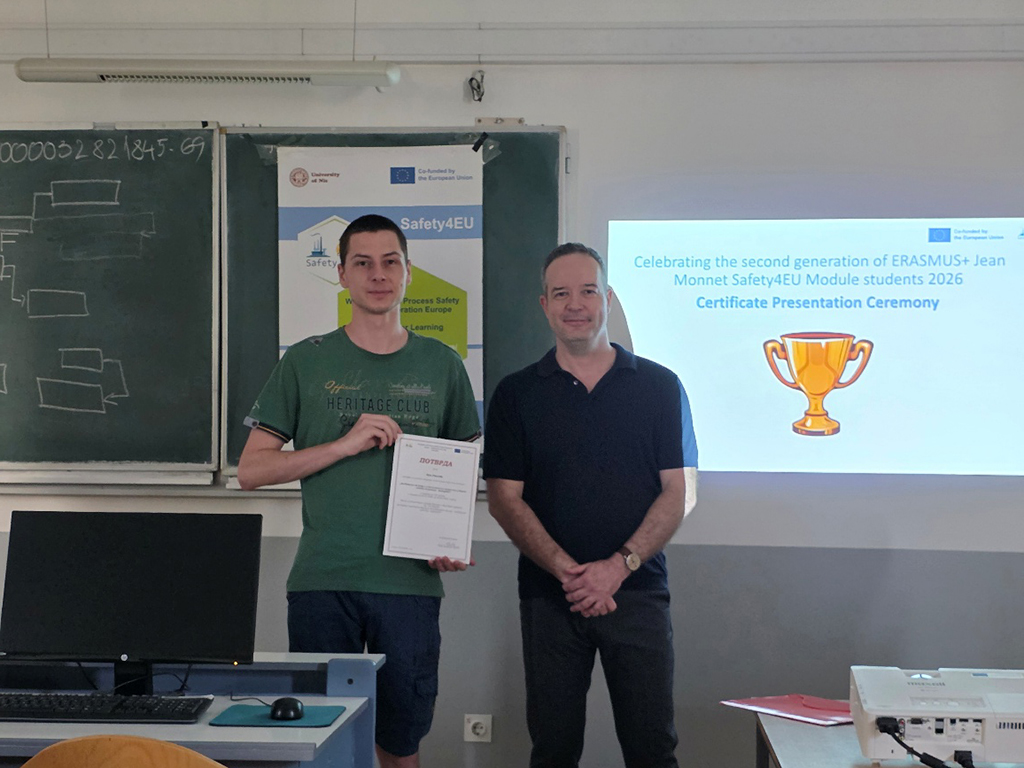
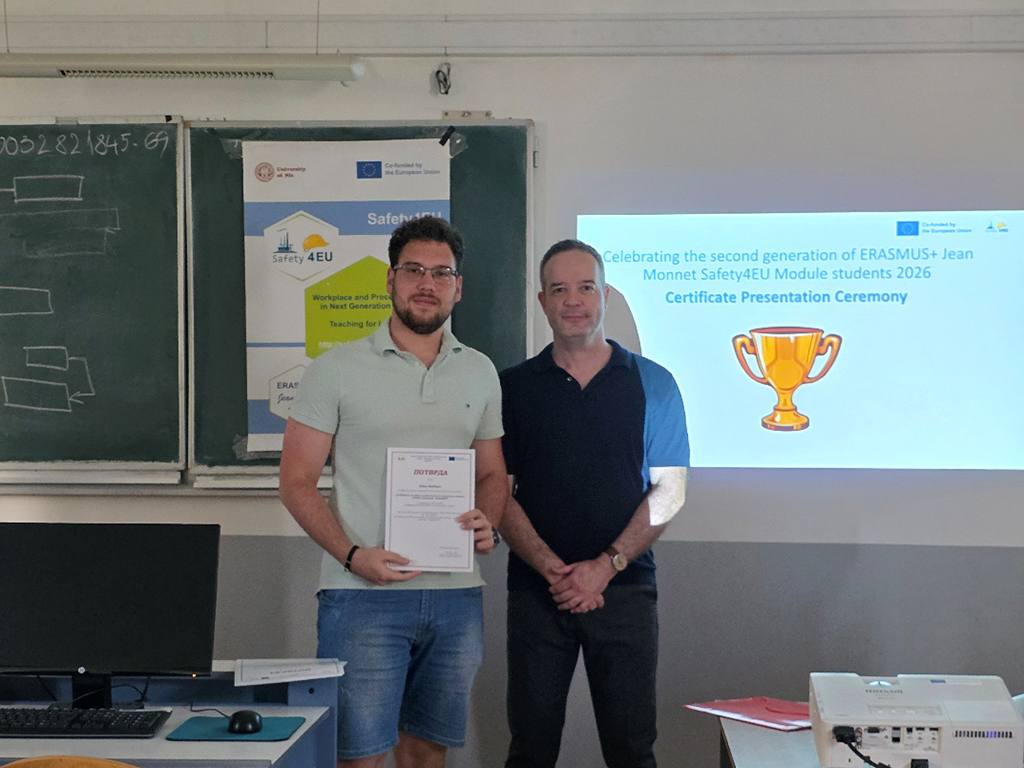
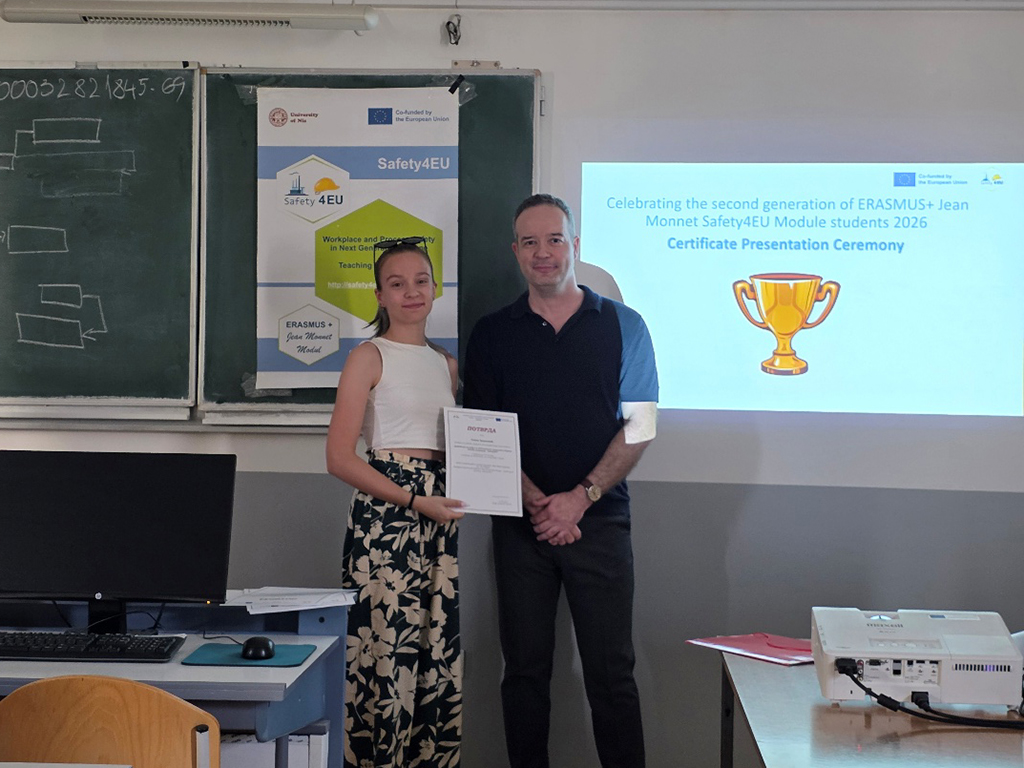
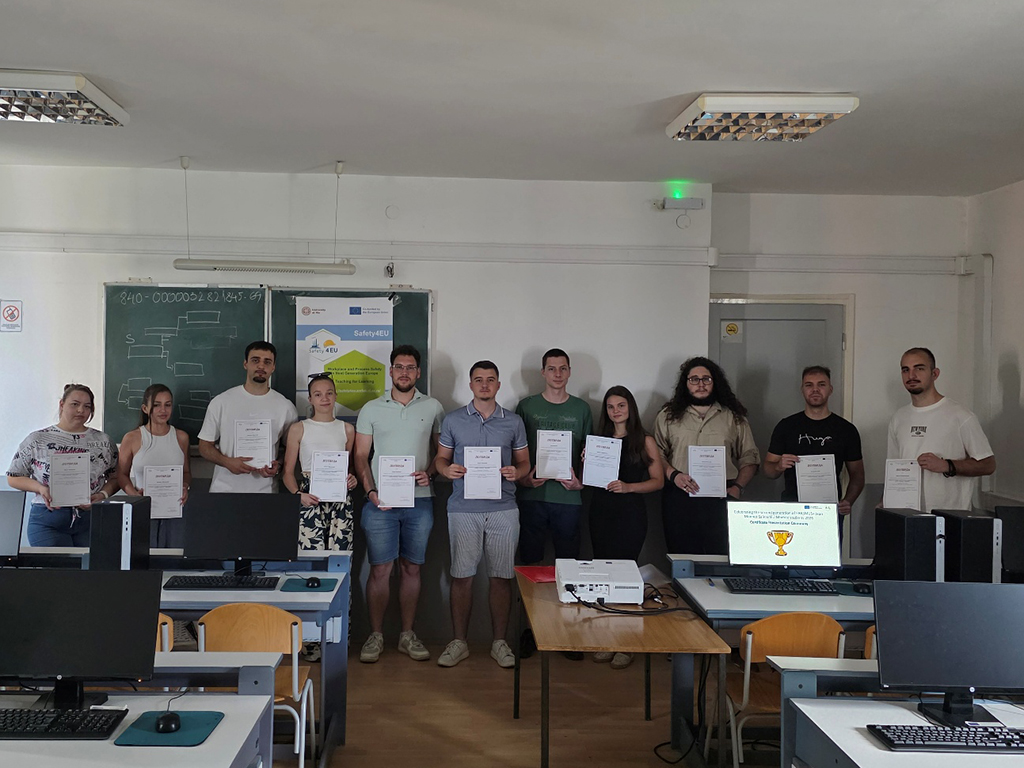
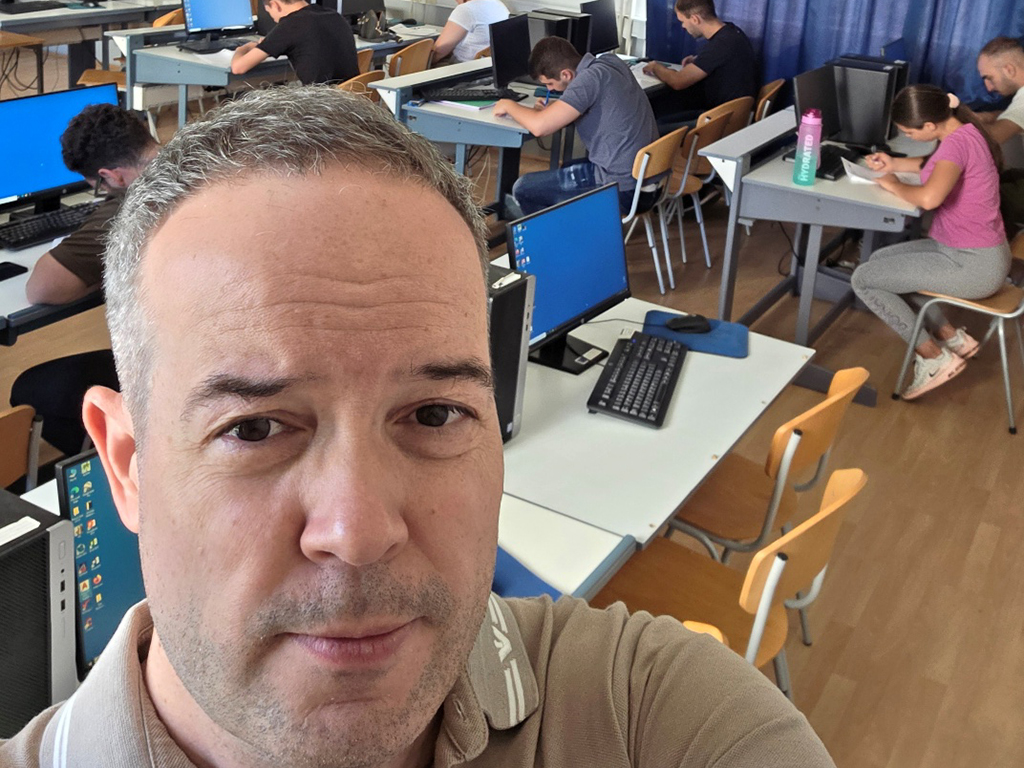
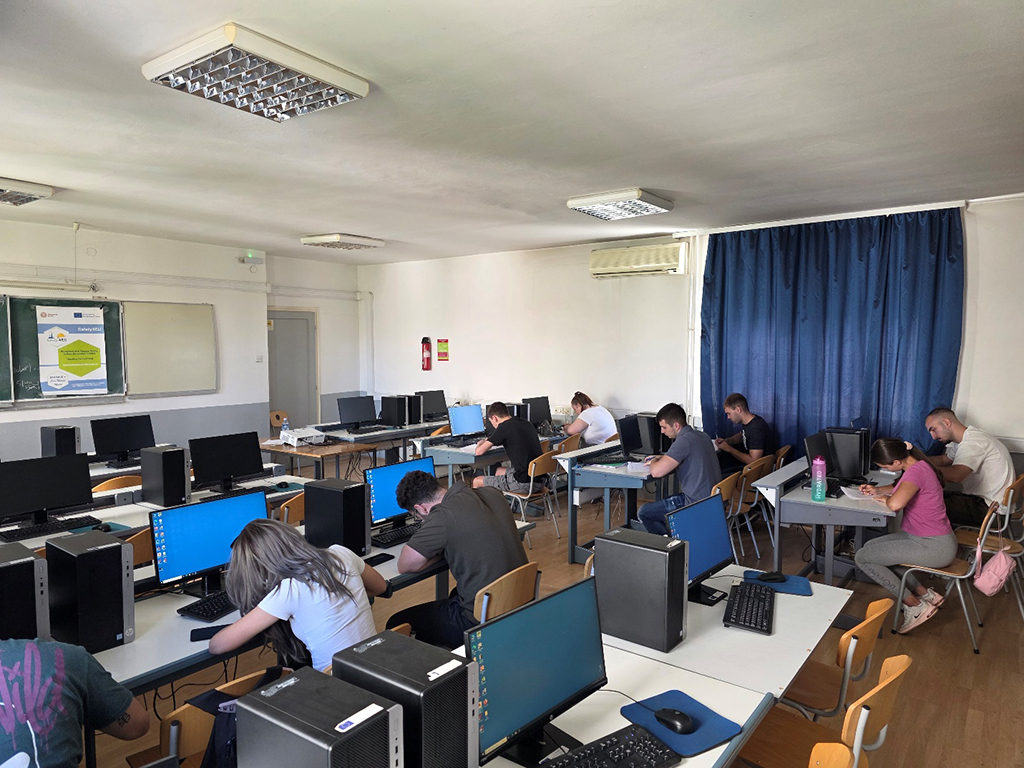
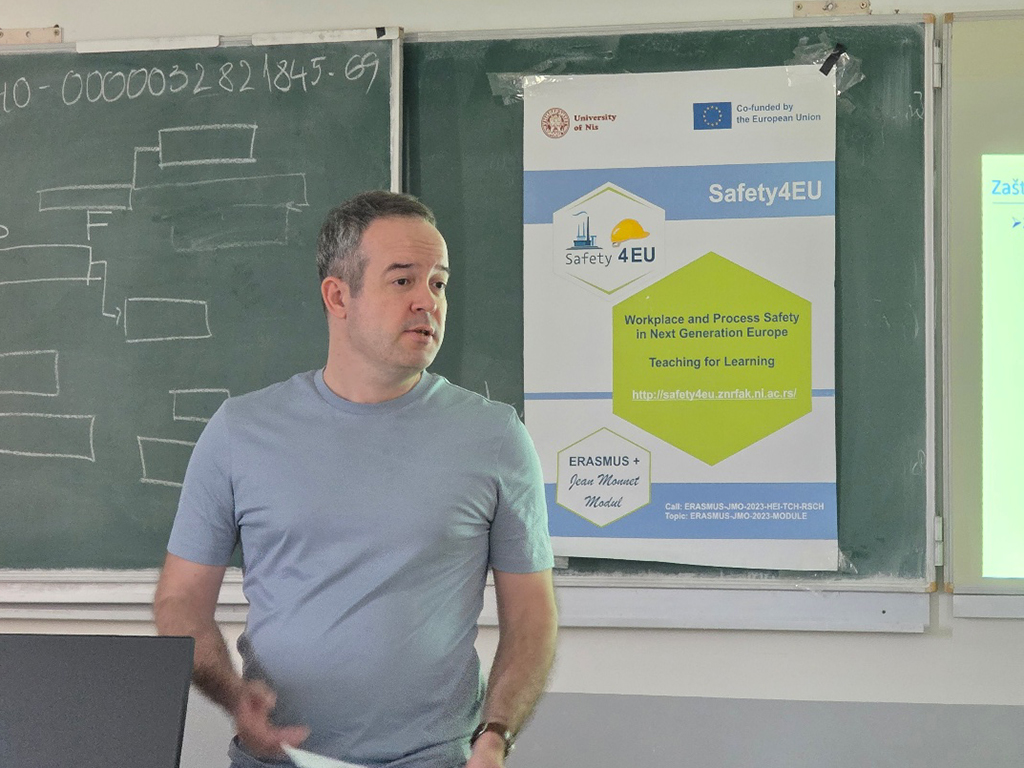
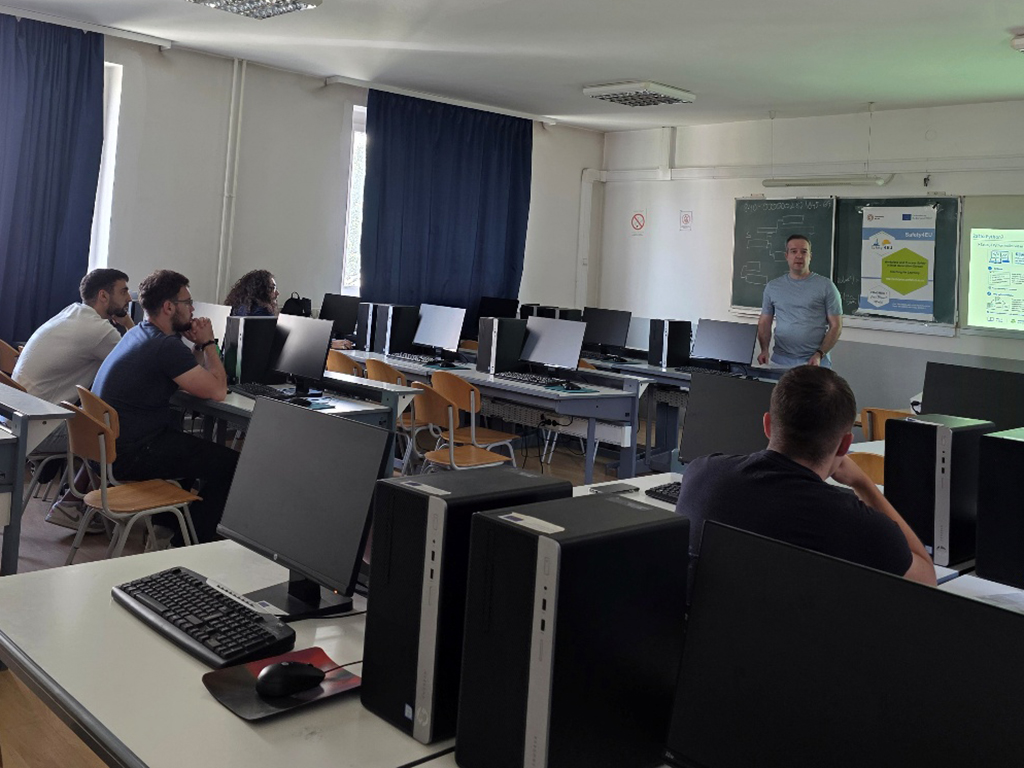
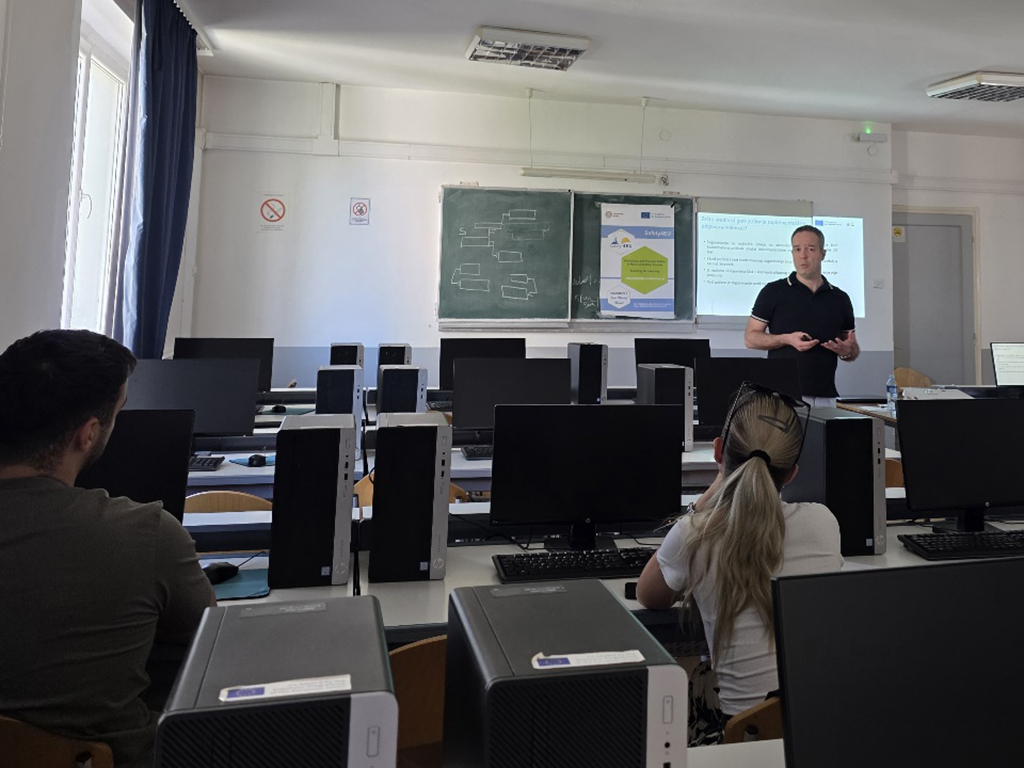
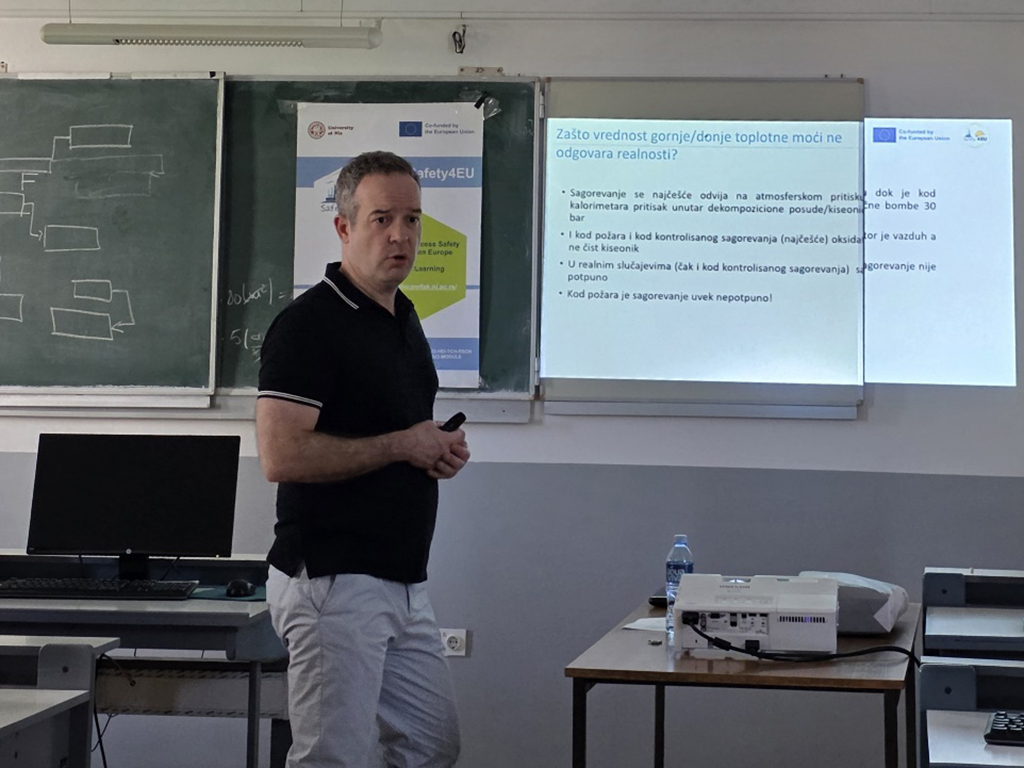
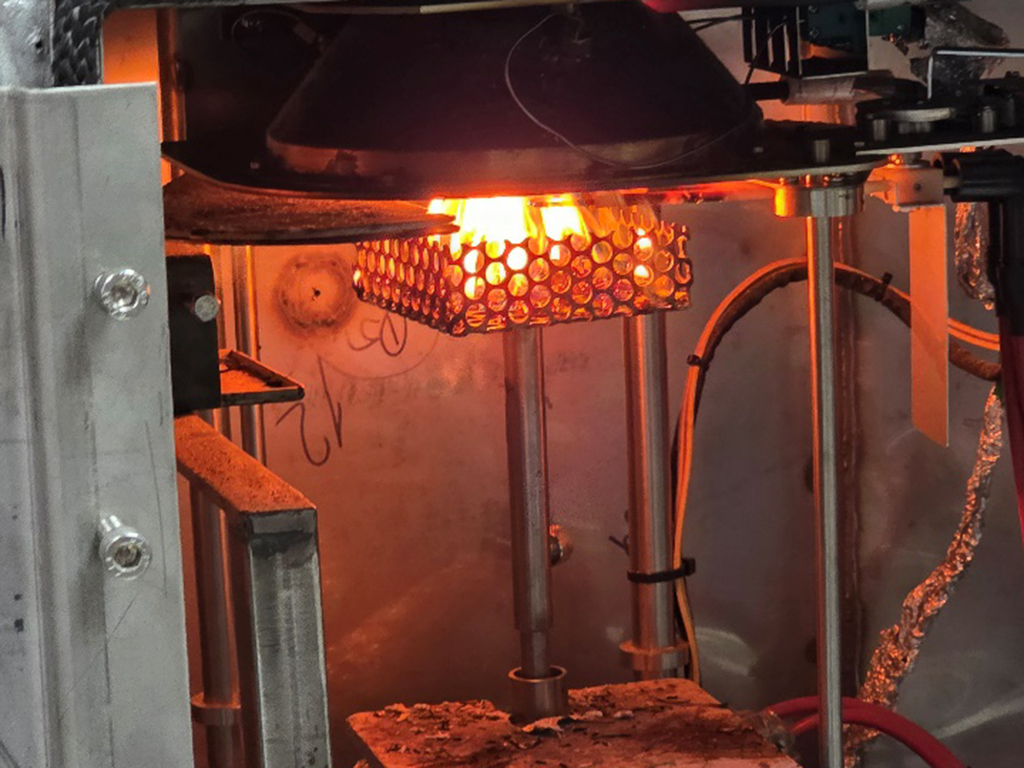
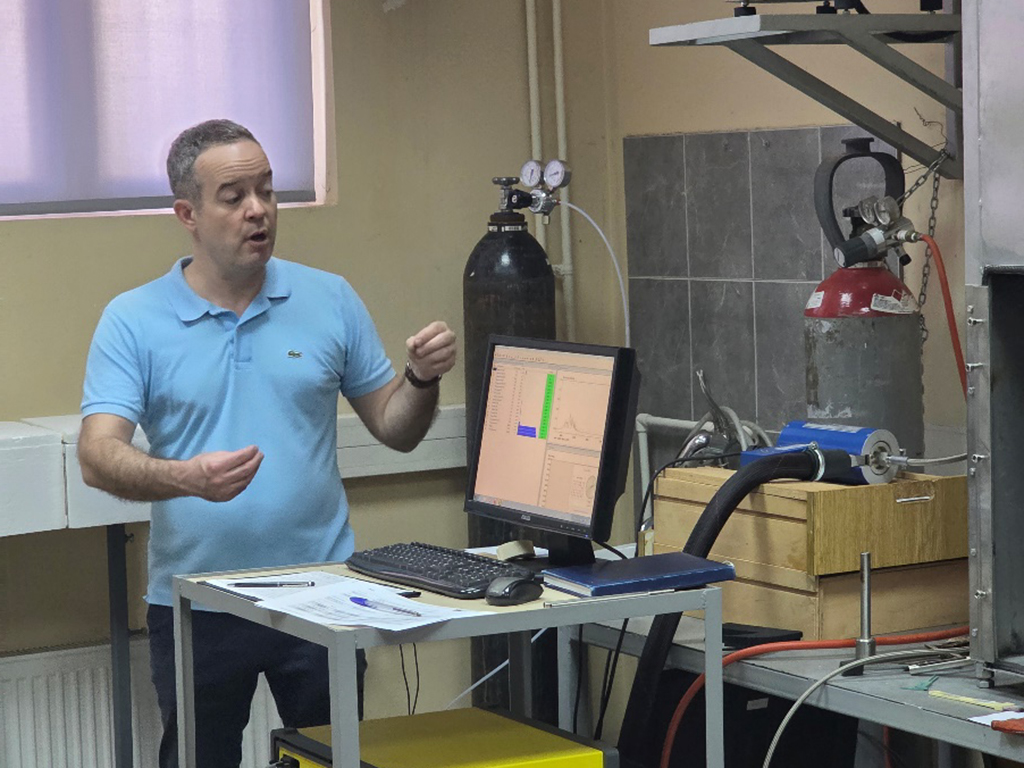
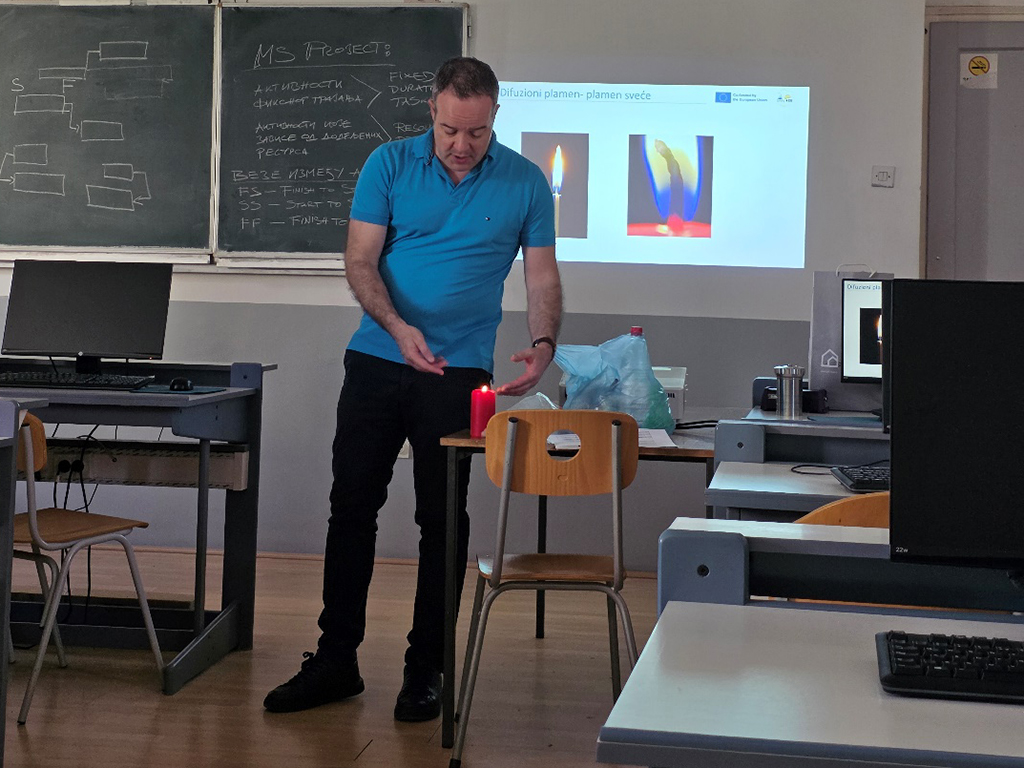
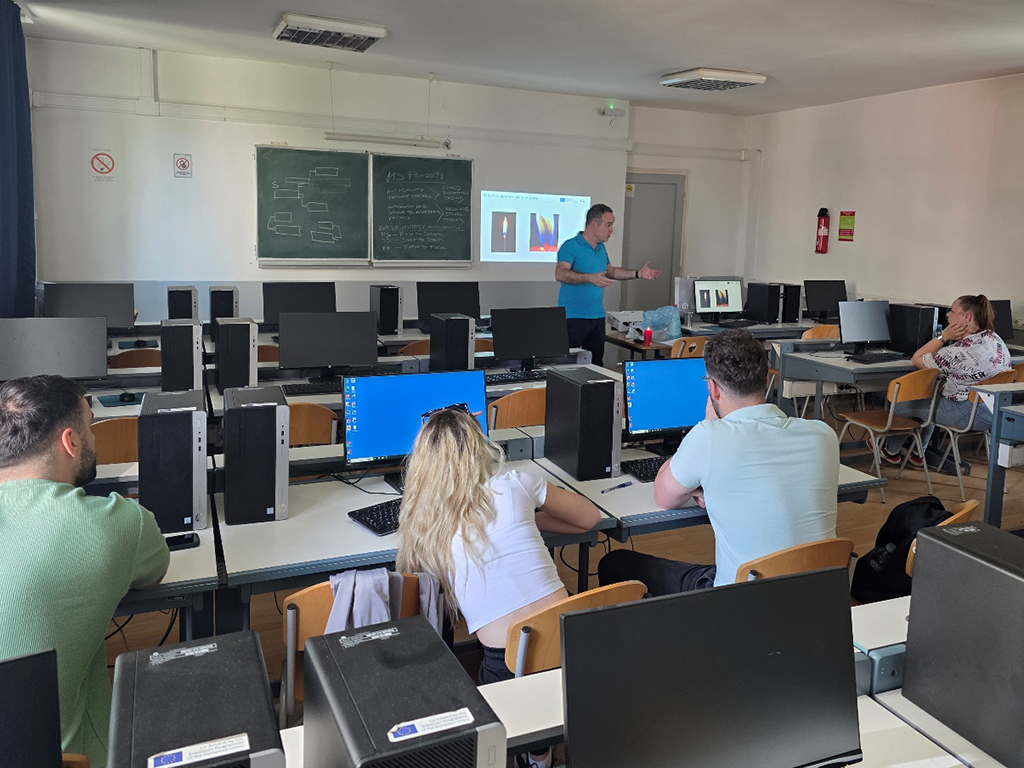
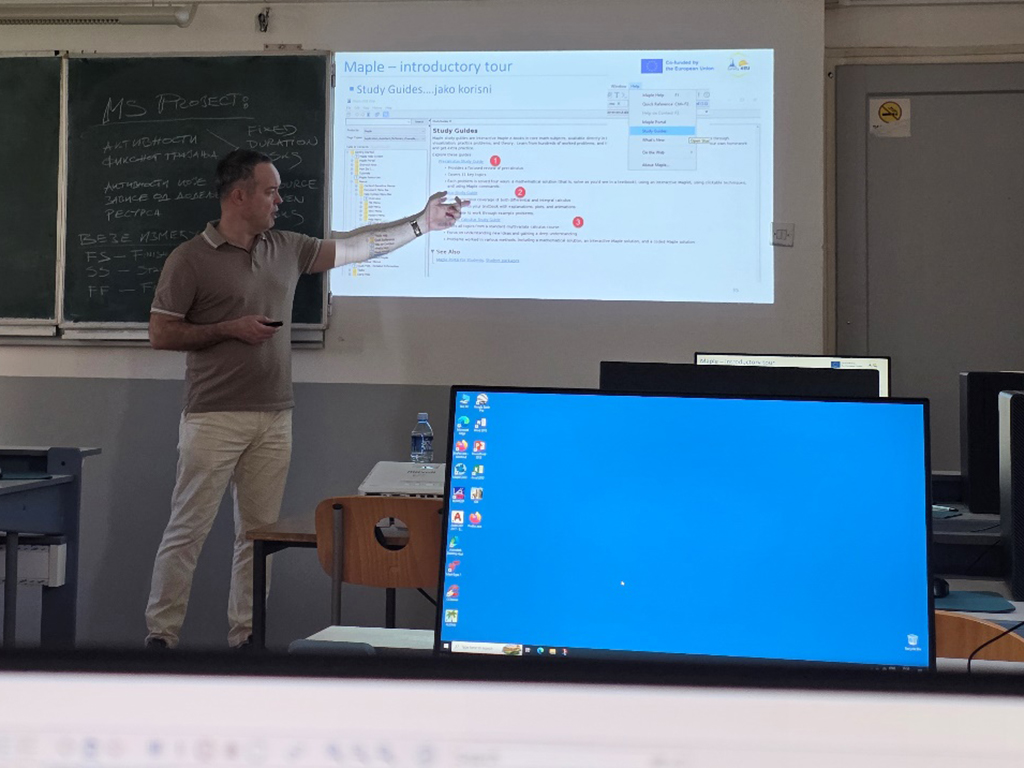
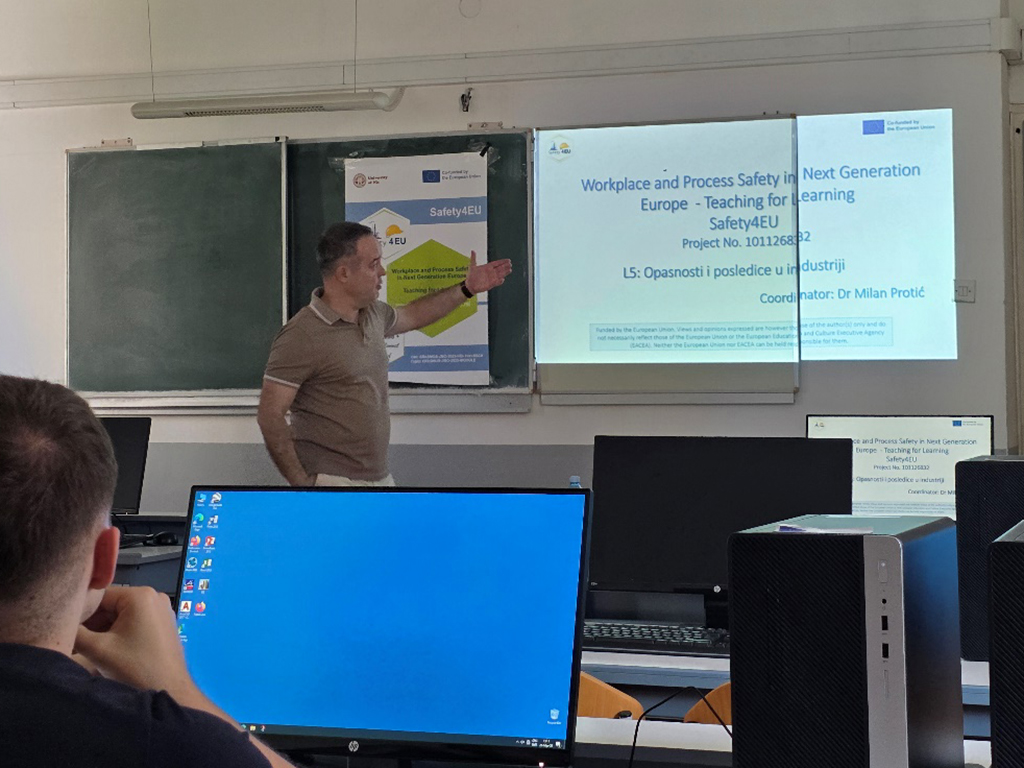
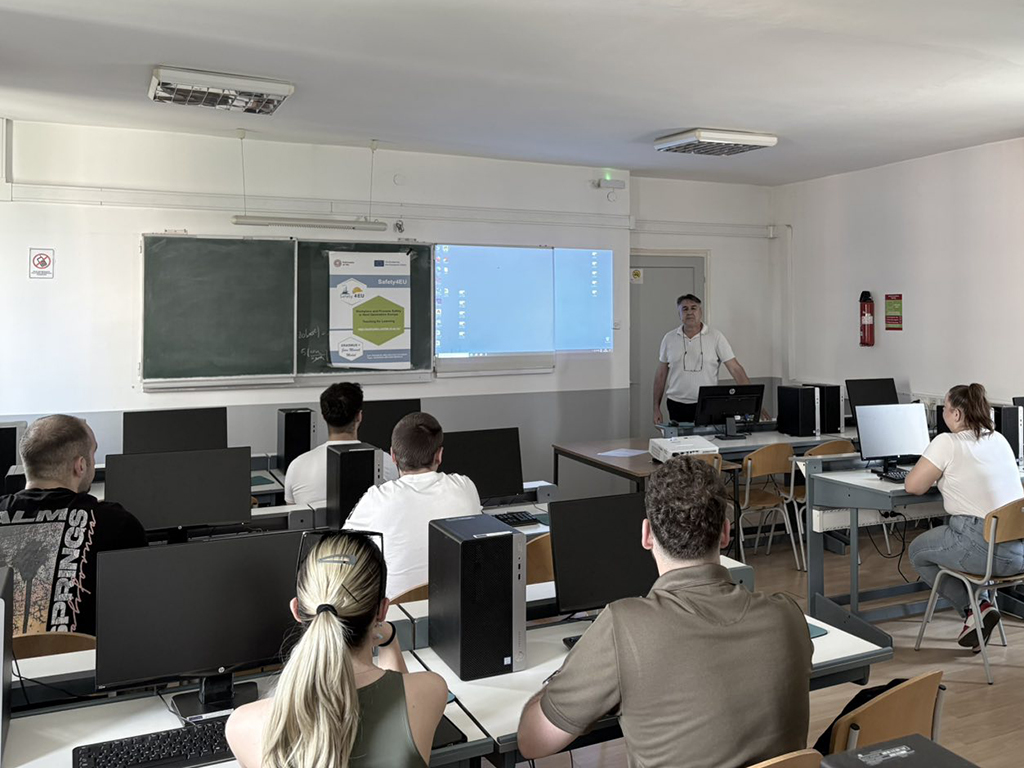
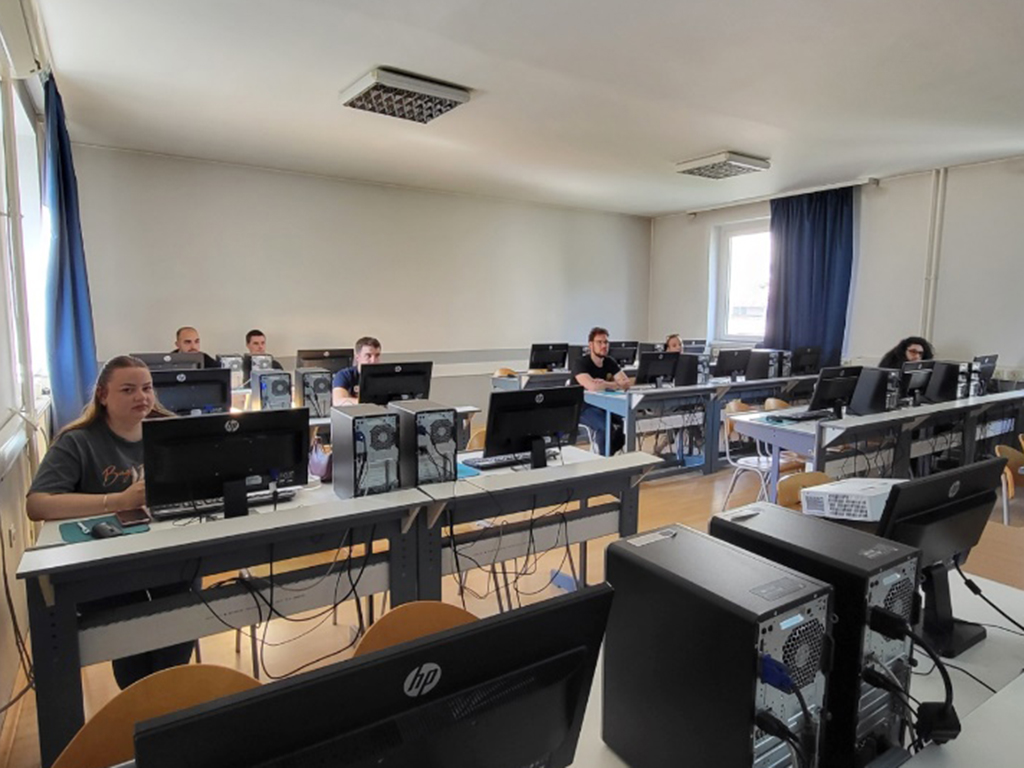
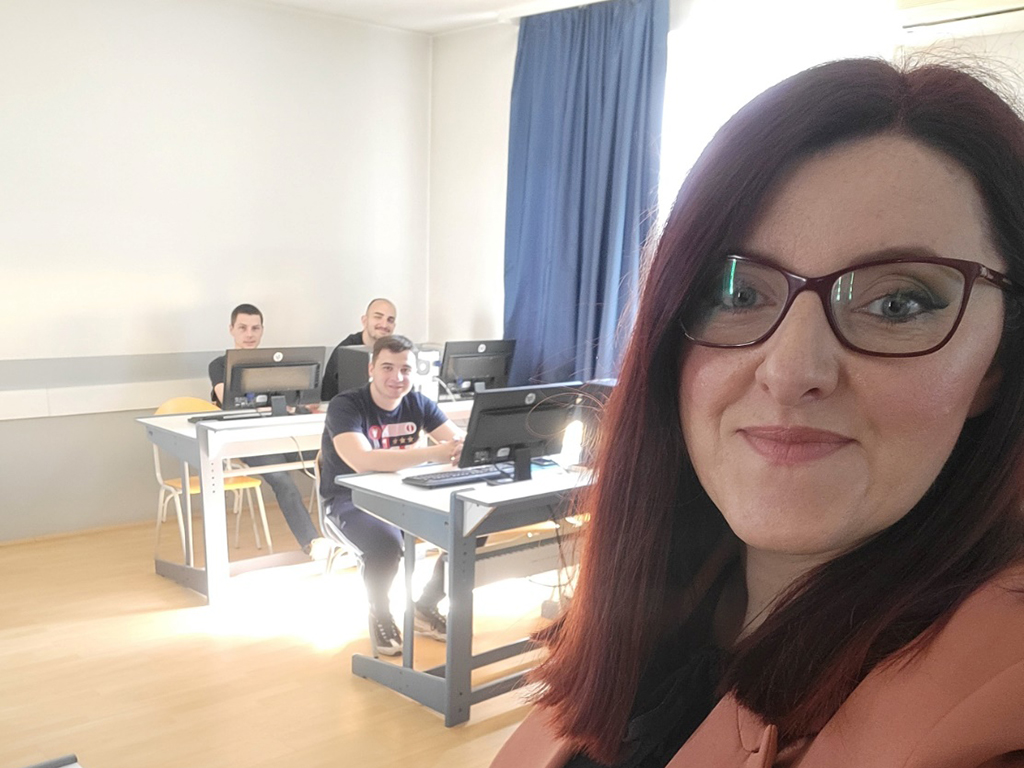
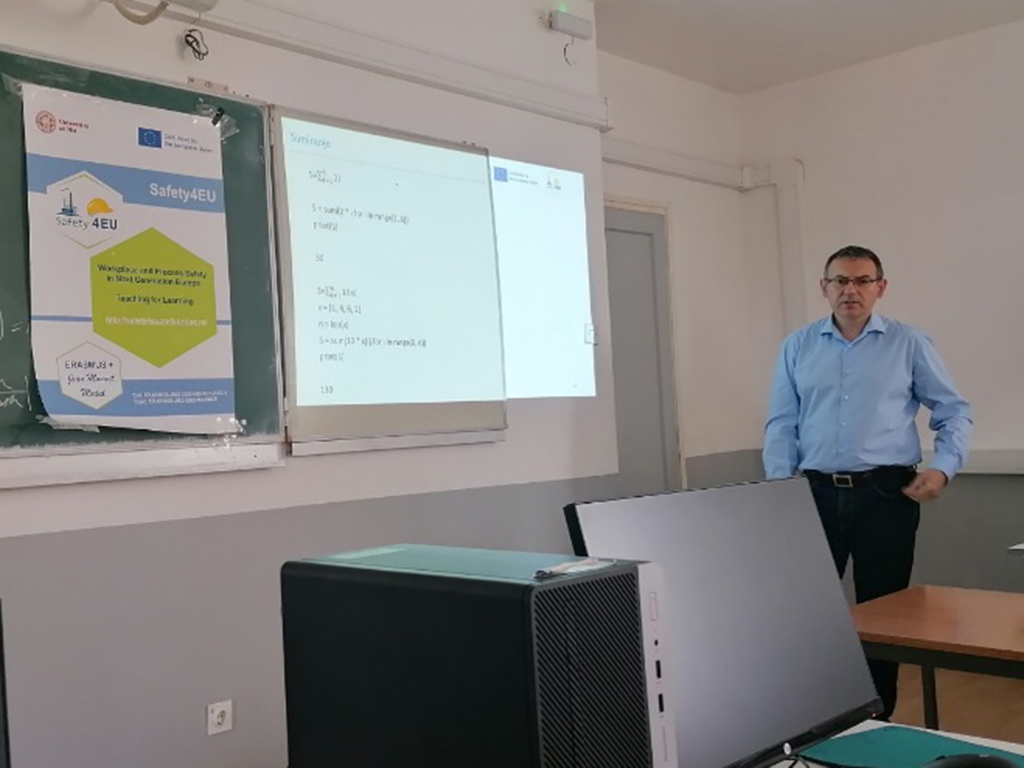
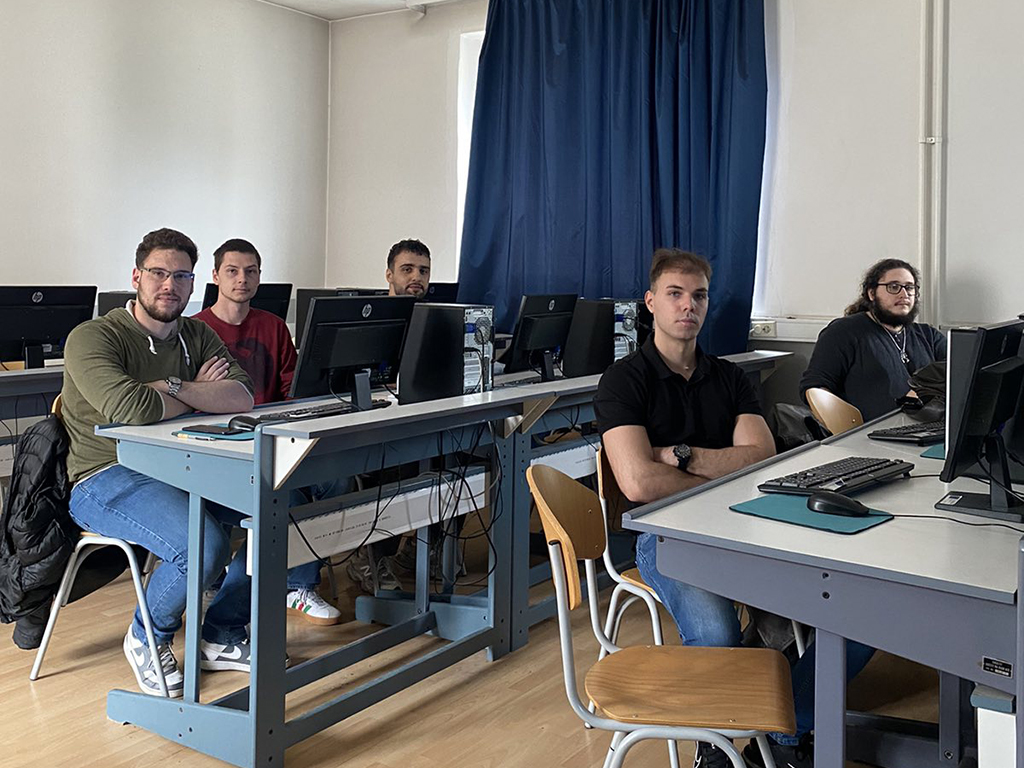
The final session of the lecture “Data Analysis, Programming & Interpretation” was delivered by Milan Gocić on 14 May 2026. This concluding session focused on advanced topics such as graphical outputs, user interface development, and the application of extensive Python libraries. Students were also introduced to the fundamentals of MySQL databases, rounding off the course with a comprehensive overview of applied scientific programming skills. The session successfully consolidated key concepts and provided a strong foundation for further work in scientific programming and data analysis.
.jpg)
.jpg)
.jpg)
12.05.2026.
Lecture on “Data Analysis, Programming & Interpretation” – Part II
Builds Practical Programming Skills
On 12 May 2026, the lecture “Data Analysis, Programming & Interpretation” continued as a follow-up to the previous session, delivered by Milan Gocić. This part of the course focused on strengthening practical programming skills through hands-on concepts such as working with formulas, loops, lists, user input, and error handling. Students also further developed their computational problem-solving abilities using Python-based tools. By combining theory with practice, the session helped students deepen their understanding of core programming principles and their application in solving real-world computational tasks.
.jpg)
.jpg)
.jpg)
07.05.2026.
Lecture: On-line Workplace Monitoring
for Harmful Substances
A lecture titled “On-line Workplace Monitoring for Harmful Substances (Especially Carcinogenic)” was delivered by Dr. Viša Tasić on 7 May 2026. The session addressed the health risks of occupational exposure to carcinogenic substances and introduced the EU roadmap on carcinogens aimed at reducing workplace risks. Students were introduced to IoT-based monitoring systems using low-cost sensors and platforms such as NodeMCU, Arduino, and Raspberry Pi. Key topics included system design, data acquisition, calibration, and visualization, with emphasis on data quality in real-time monitoring applications.
.jpg)
.jpg)
05.05.2026.
Lecture: Data Analysis,
Programming & Interpretation – Part I
On 5 May 2026, the first part of the lecture “Data Analysis, Programming & Interpretation” was delivered by Milan Gocić. This lecture introduced students to essential scientific programming skills intended for use in advanced academic coursework, with a focus on widely used tools such as Python, Jupyter Notebook, and MathCAD. Key fundamental concepts were also covered, including object-oriented programming, algorithm analysis, basic data structures, and recursion, providing a strong foundation for further development in computational and data-driven methods.
.jpg)
.jpg)
30.04.2026.
Lecture: Ergonomic Risks – Part II
Prof. Evica Jovanović continued the topic with the second part of the lecture “Ergonomic Risks” on April 30, 2026. This session provided a more detailed examination of different types of ergonomic hazards and their practical impact in various working environments. Particular emphasis was placed on real-life case studies, along with examples of effective ergonomic risk management practices implemented across different industries.


28.04.2026.
Lecture: Ergonomic Risks – Part I
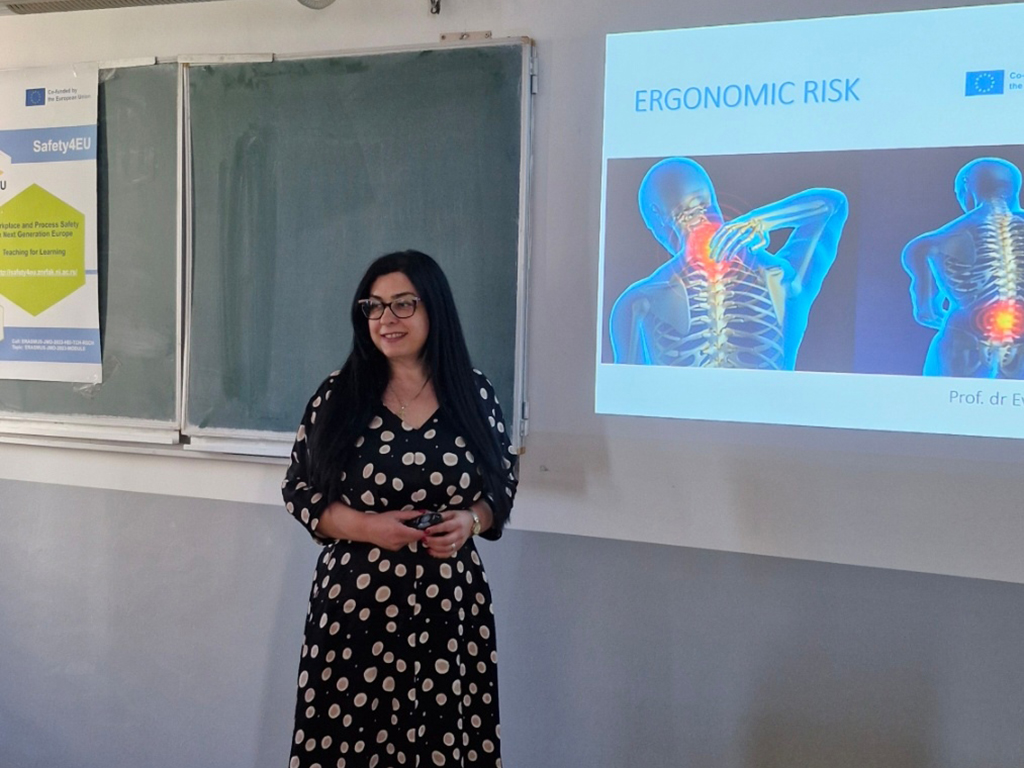
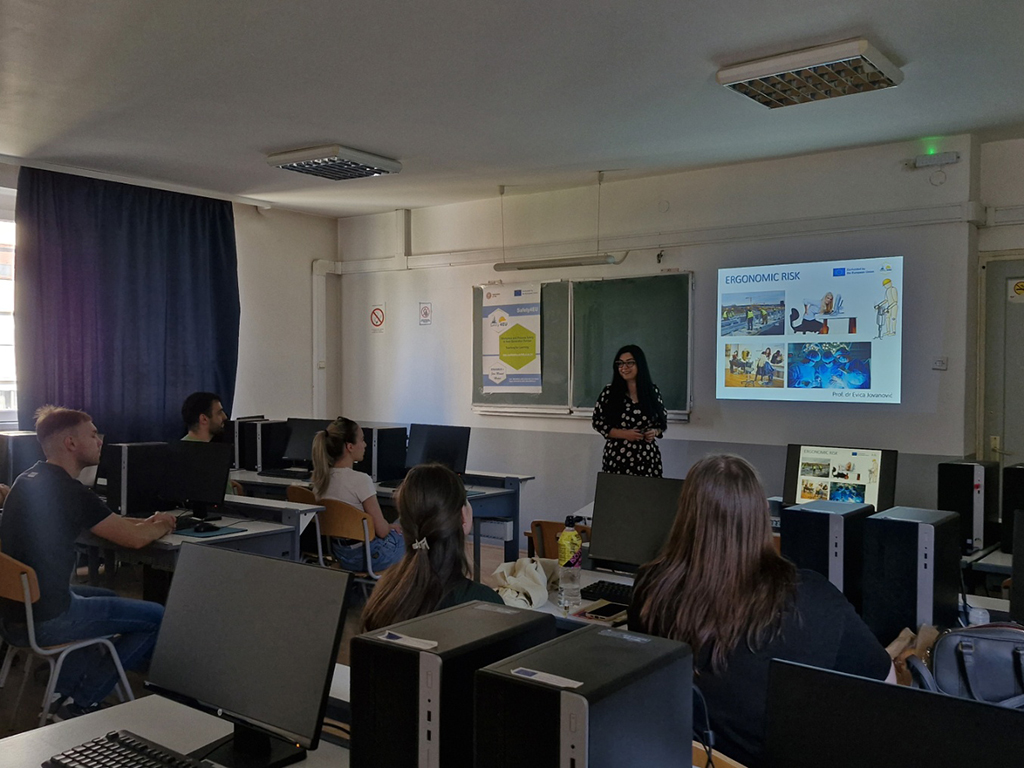
The first part of the lecture “Ergonomic Risks” was delivered by Prof. Evica Jovanović on 28 April 2026. The session introduced students to the EU Strategic Framework on Health and Safety at Work (2021–2027), with particular attention to the growing importance of ergonomic and psychosocial risk factors. The lecture provided an overview of key ergonomic hazards and their effects on workers’ health and safety, focusing on issues such as workstation design, repetitive work activities, and the use of inadequately designed tools and equipment.


23.04.2026.
Lecture: Quantitative Risk Assessment (Part I)
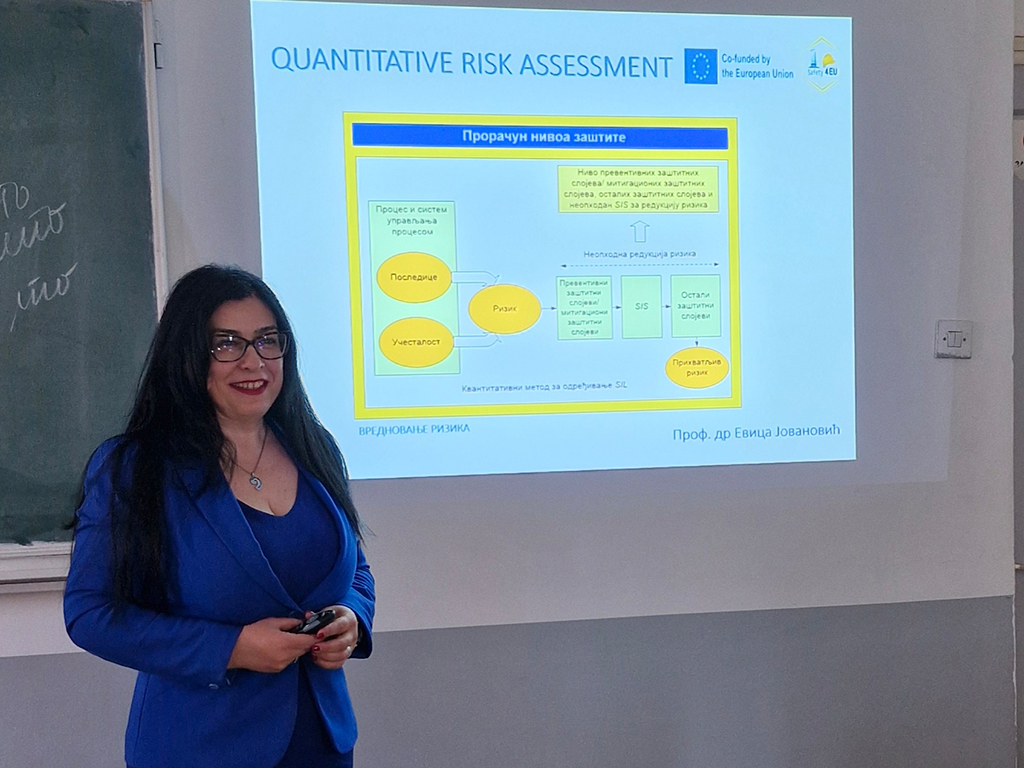
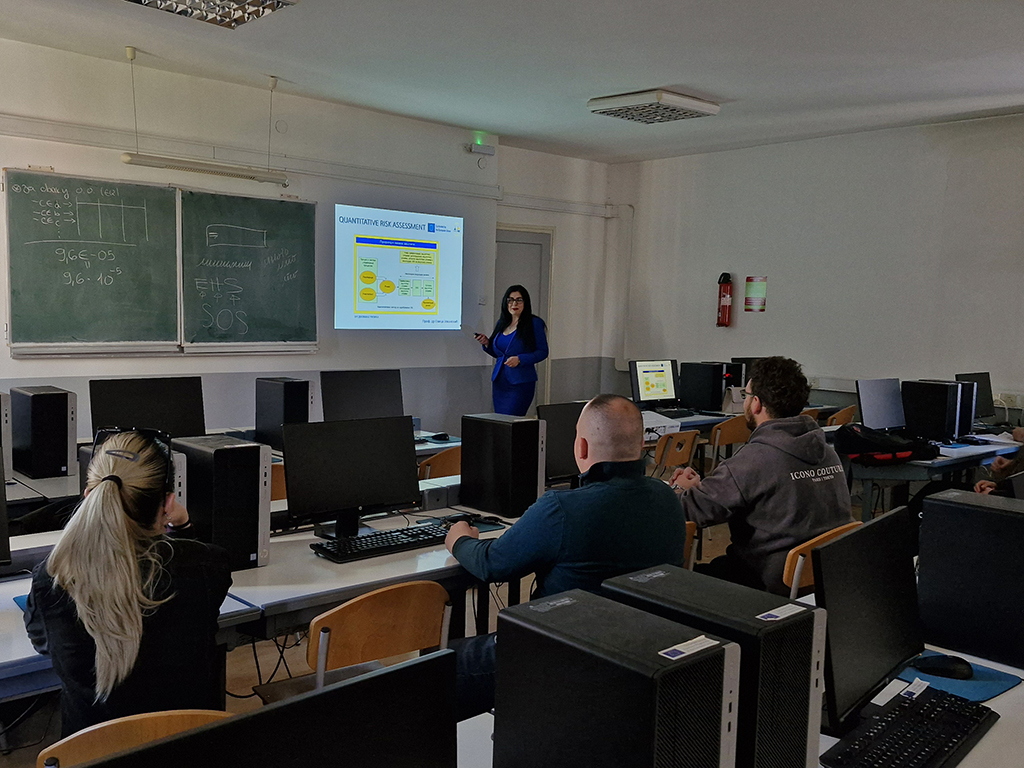
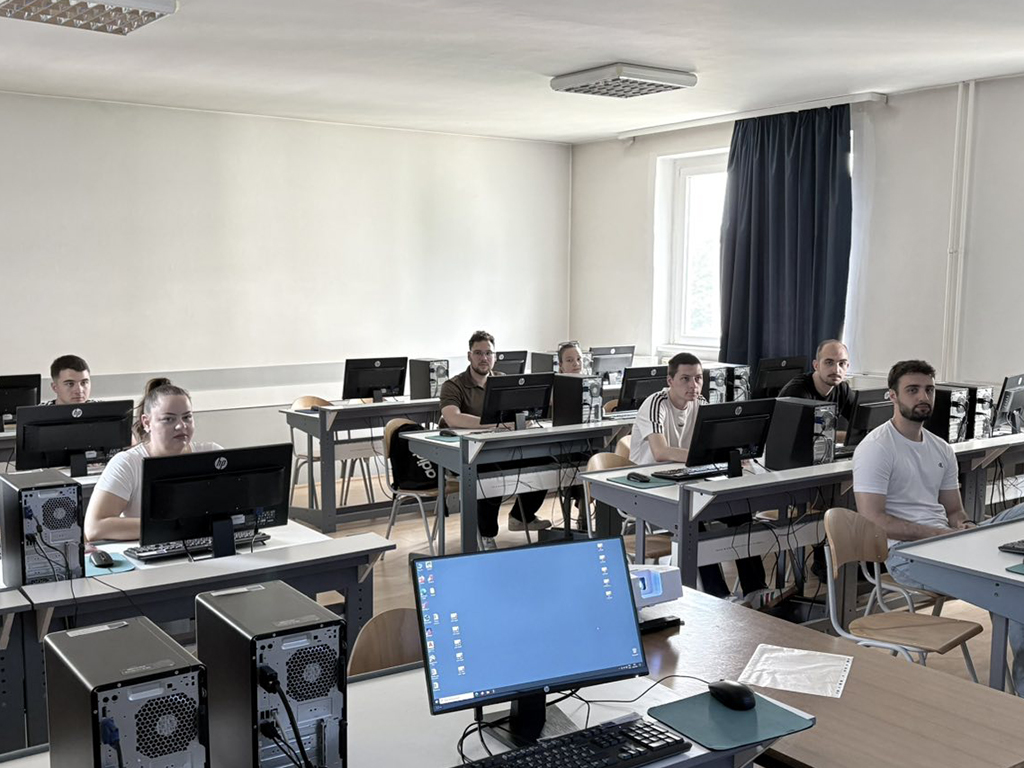
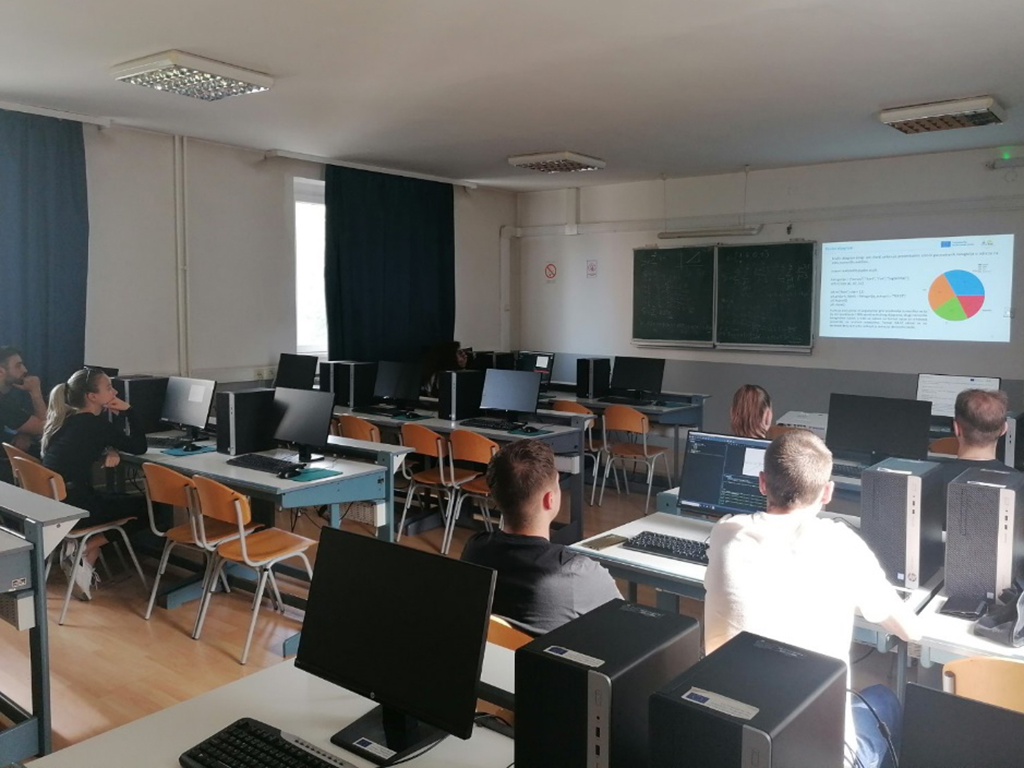
On 23 April 2026, the first part of the lecture “Quantitative Risk Assessment” was delivered by Prof. Evica Jovanović. The lecture covered key concepts in risk management, including the definitions of hazard, risk, and danger, as well as the principles of risk management. It also addressed the risk management framework, including risk context establishment, risk identification, risk analysis, risk evaluation, and risk treatment. Special attention was given to risk assessment tools such as the risk matrix and methods for risk monitoring. In addition, the lecture introduced advanced techniques like event tree analysis for understanding possible outcomes and improving decision-making in safety management.

21.04.2026.
Lecture: Psychosocial Risks at the Workplace – Part II
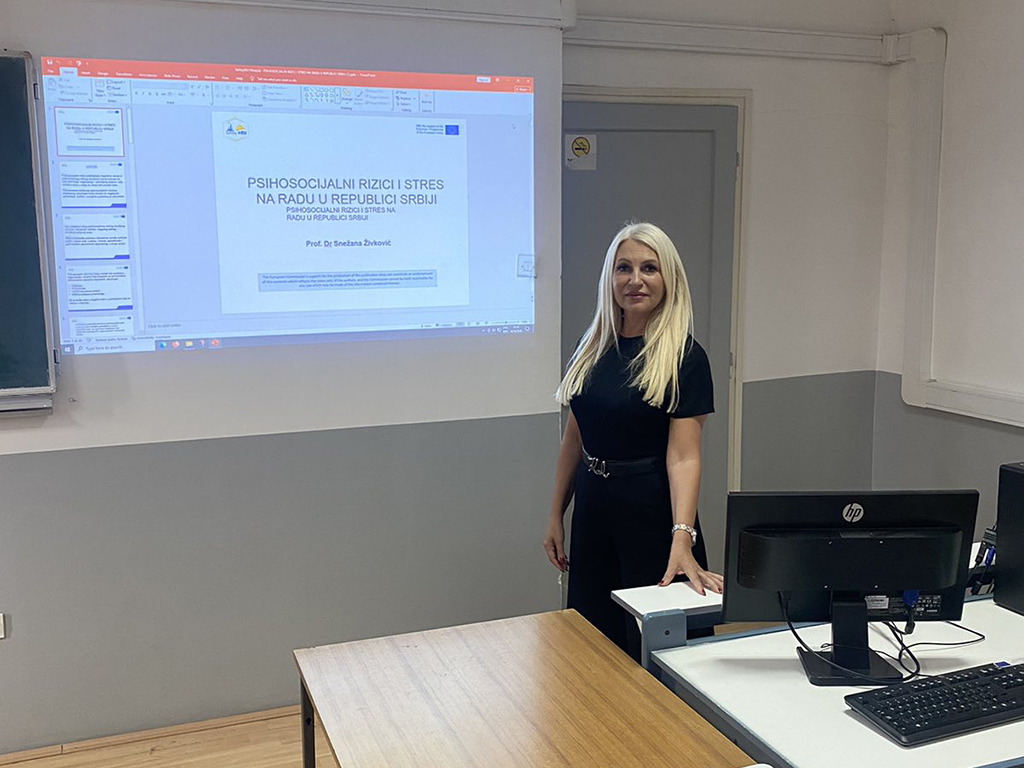
On 21 April 2026, prof. Snežana Živković continued her sessions on mental health challenges and stress-related factors in the workplace. During the lecture, students explored the key factors contributing to psychosocial risks in the workplace, including the work environment, social support systems, and individual characteristics. Particular attention was given to methods for identifying and assessing psychosocial risks, as well as strategies for their prevention and reduction at both individual and organizational levels.
.jpg)
.jpg)
16.04.2026.
Lecture: Economic Aspects of Workplace and Process Safety
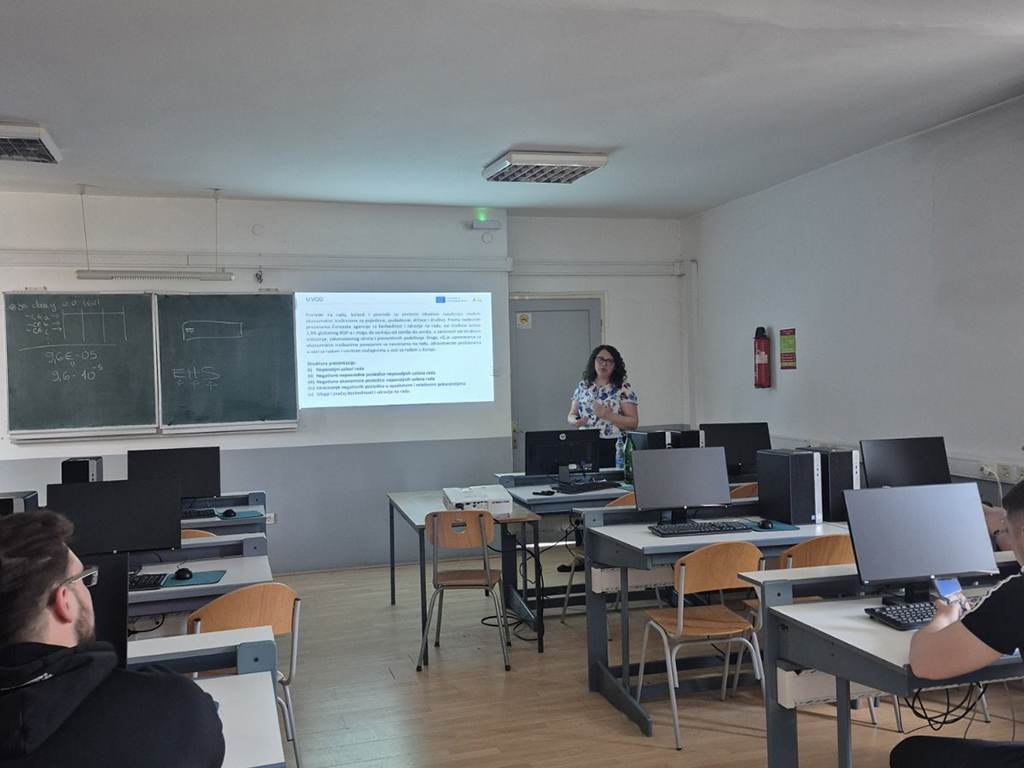
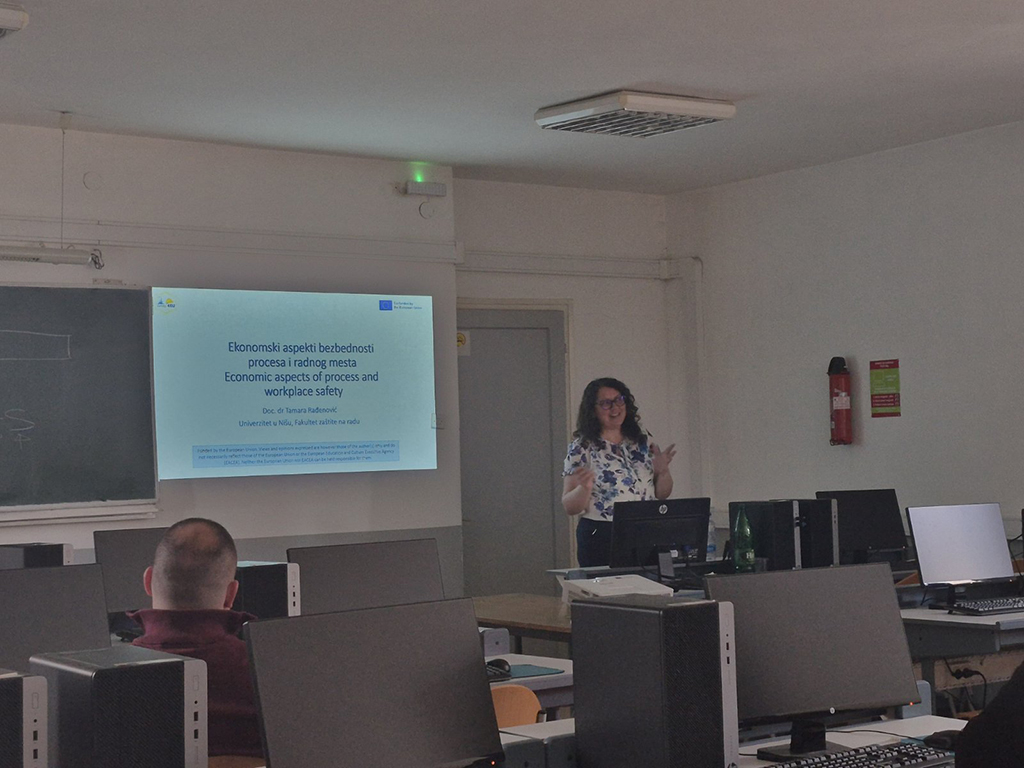
On 16 April 2026, prof. Tamara Rađenović delivered a lecture titled “Economic Aspects of Workplace and Process Safety”, focusing on the wide-ranging financial impact of occupational injuries, work-related illnesses, and fatalities on individuals, employers, public institutions, and society as a whole. Drawing on estimates from the European Agency for Safety and Health at Work, the lecture highlighted that these costs represent a significant proportion of global GDP, with variations influenced by industrial structures, regulatory systems, and prevention strategies. Students got familiar with key cost categories, including productivity losses, healthcare expenditures, reduced quality of life, administrative costs, and insurance-related expenses. The lecture also underlined the economic benefits of implementing effective process safety management systems and discussed mechanisms that encourage investment in preventive workplace safety measures.


14.04.2026.
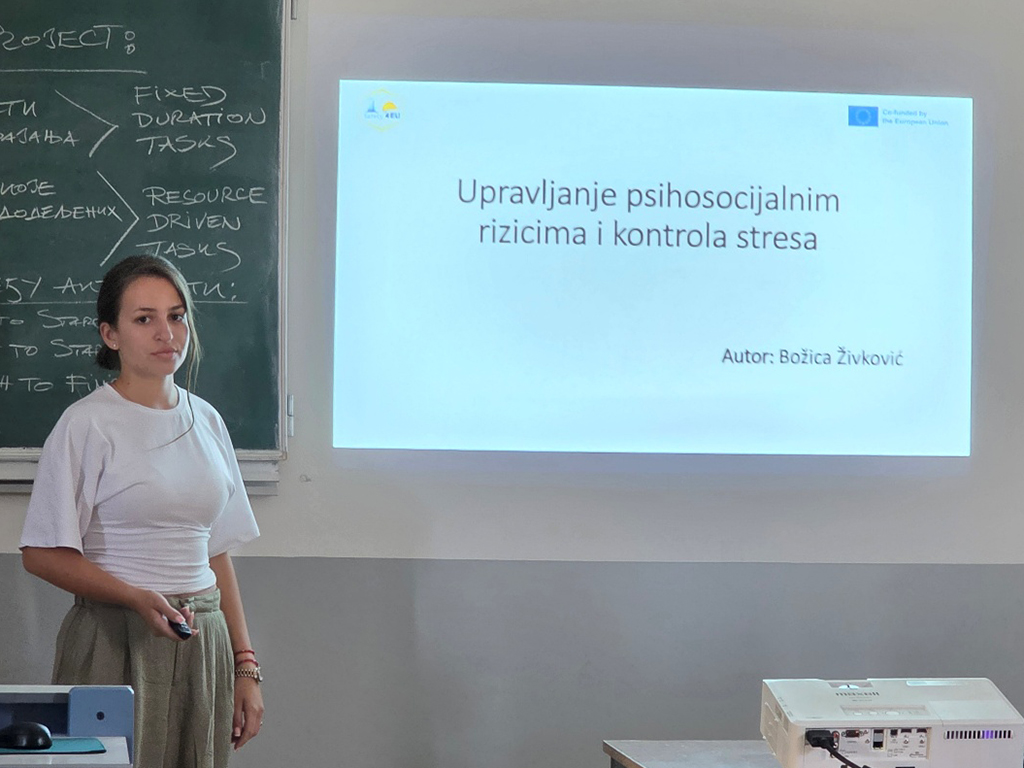
Lecture on Psychosocial Risks at the Workplace – Part I
The first part of the lecture “Psychosocial Risks at the Workplace” was delivered on 14 April 2026 by prof. Snežana Živković. The students were introduced to the concept of psychosocial risks, focusing on social and psychological factors that can affect workers’ physical and mental health. It covered definitions and examples of psychosocial risks, as well as their impact on overall well-being in the workplace.


09.04.2026.
Lecture: Legislative Framework for Workplace
and Process Safety – Part II
Continuing from the previous session, the lecture series proceeded with “Legislative Framework for Workplace and Process Safety – Part II”, delivered by Prof. Srđan Glišović on April 9, 2026.
This lecture further examined essential elements of the EU framework governing workplace and process safety, with a stronger focus on regulatory obligations, risk management approaches, and their implementation in various industrial sectors. The session also highlighted how these legal requirements are applied in practice to improve safety performance and compliance across different industries.


08.04.2026.
Workshop: Practical Exercises in Workplace
and Process Safety Using IT Tools
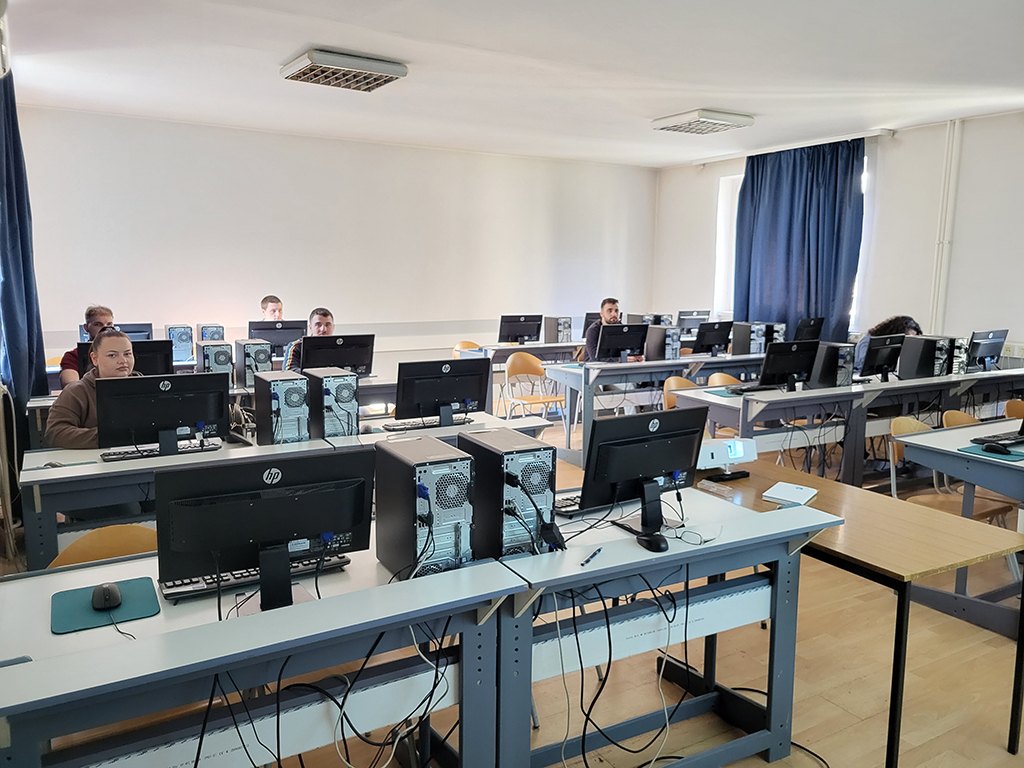
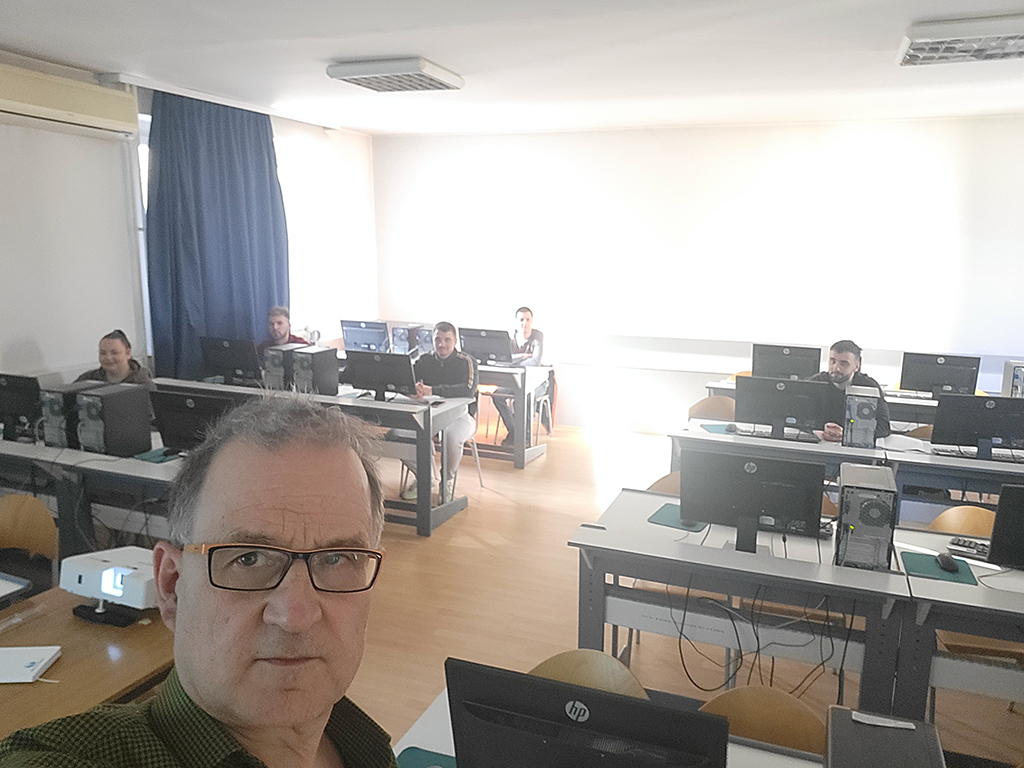
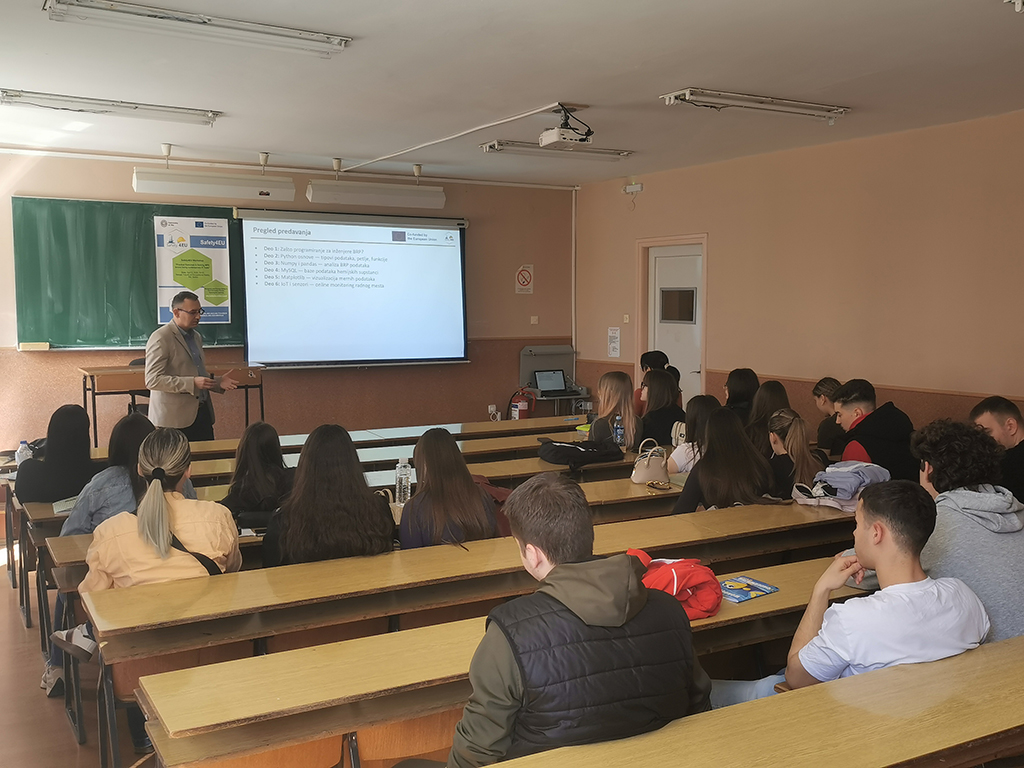
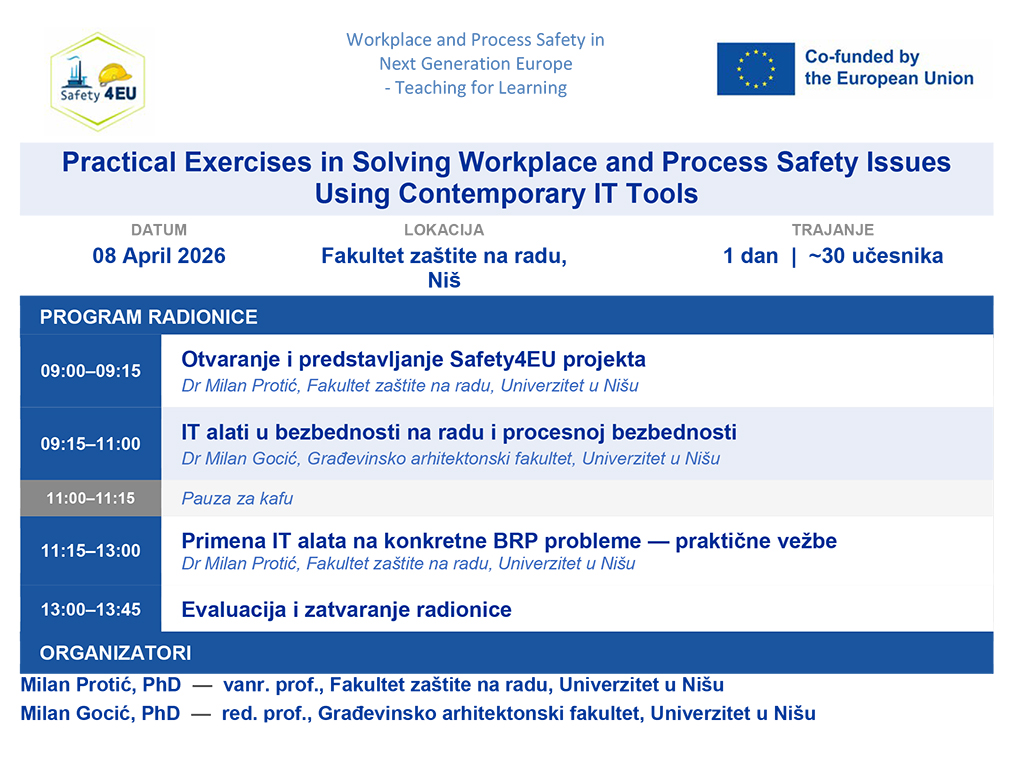
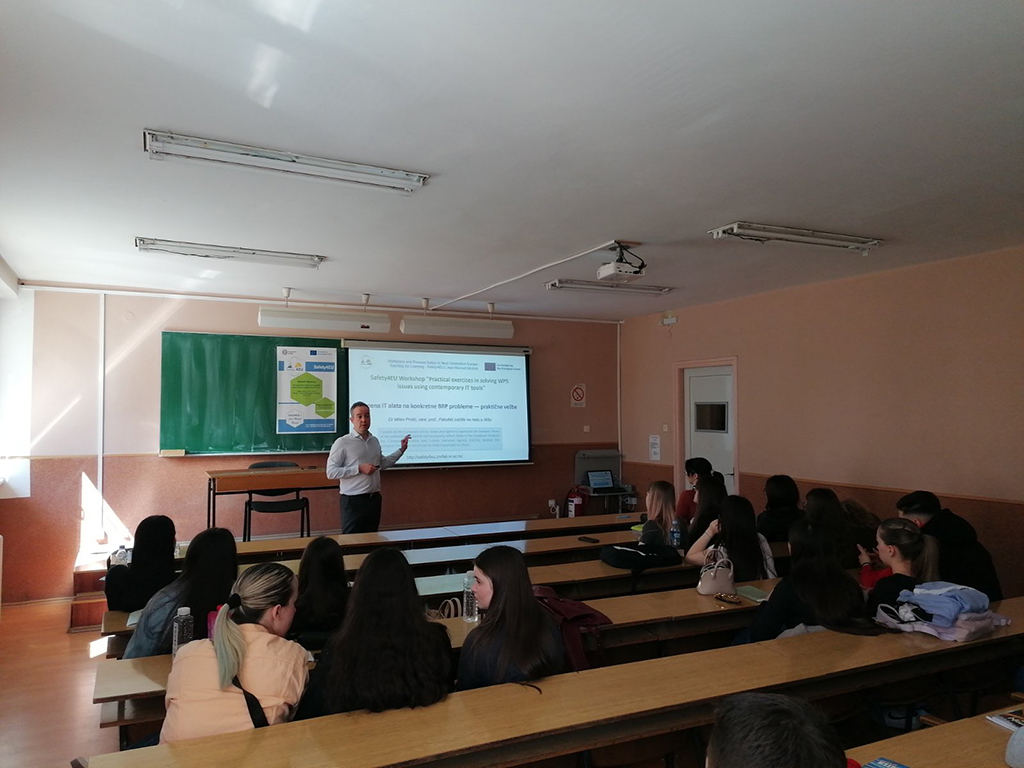
On 8 April 2026, the Faculty of Occupational Safety, University of Niš, organized the workshop “Practical Exercises in Solving Workplace and Process Safety Issues Using Contemporary IT Tools” within the Safety4EU project. The workshop gathered 30 participants, including students and young professionals interested in modern approaches to safety management and digital technologies.
The event was opened by Prof. Dr. Milan Protić, who presented the Safety4EU project, its main objectives, and its contribution to advancing modern safety education aligned with European practices.
The first session, held by Prof. Dr. Milan Gocić from the Faculty of Civil Engineering and Architecture, University of Niš, focused on IT tools in occupational and process safety, introducing participants to digital solutions used in risk assessment, monitoring, and safety analysis.
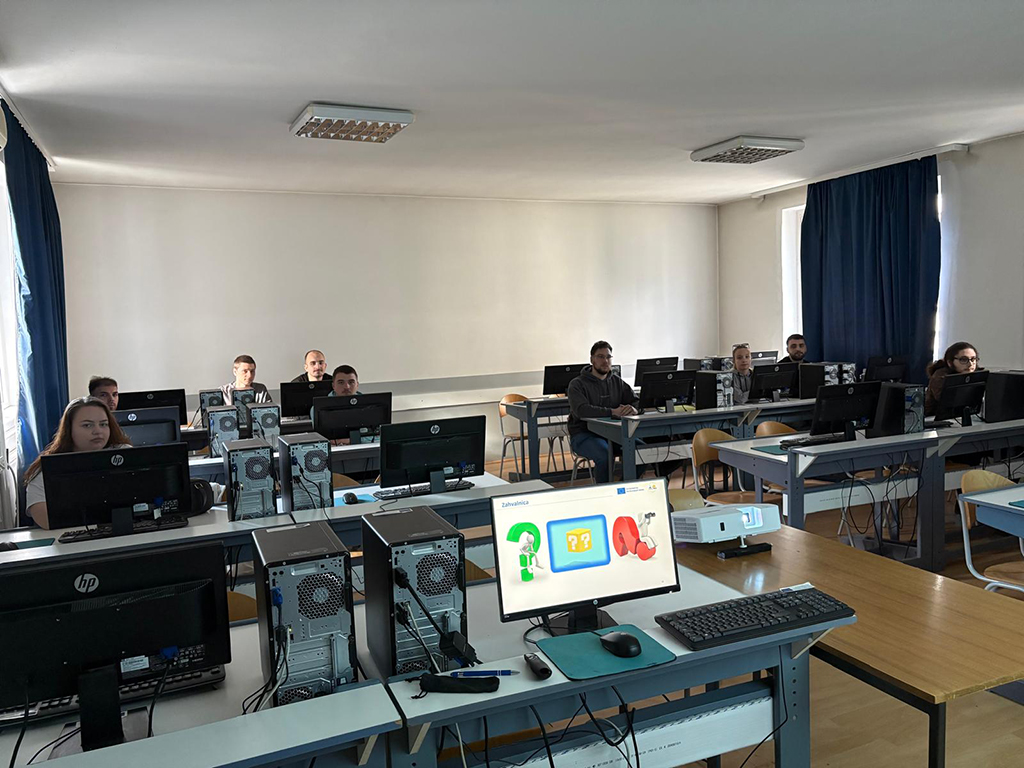
Following a short coffee break, participants engaged in practical exercises led by Prof. Dr. Milan Protić. This session focused on applying IT tools to specific workplace and process safety scenarios, allowing participants to work on real examples and develop practical problem-solving skills.
07.04.2026.
Lecture: Legislative Framework
for Workplace and Process Safety – Part I
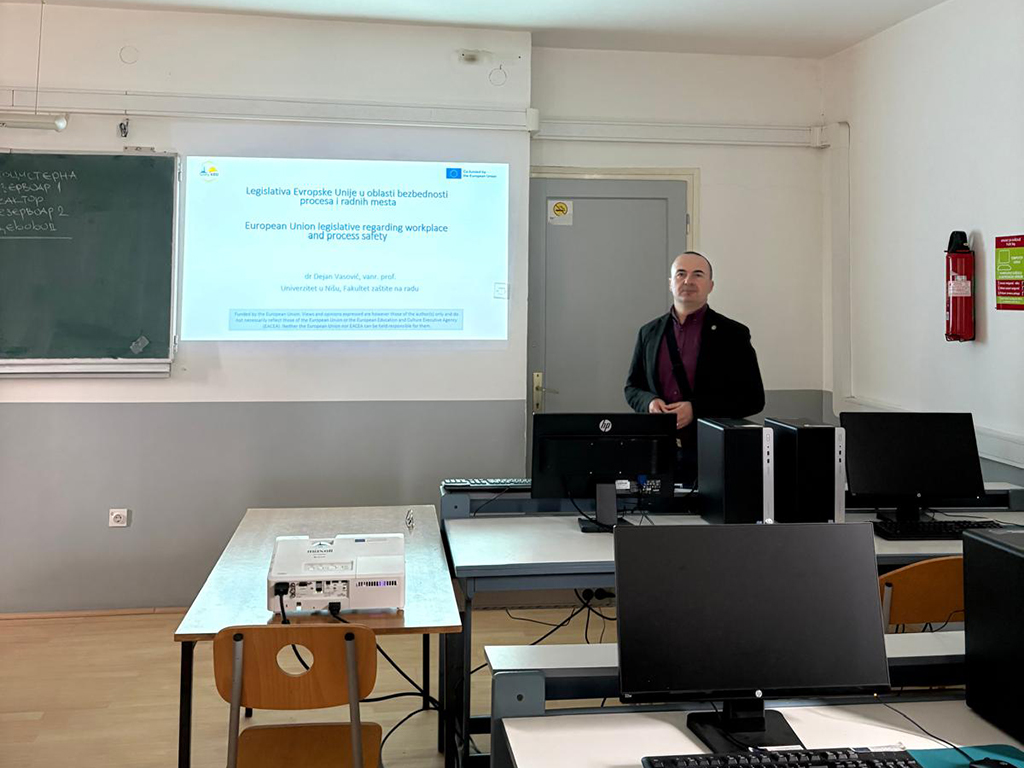
The lecture “EU Legislative — Workplace & Process Safety” was delivered by Prof. Dejan Vasović on April 7, 2026. It provided students with an overview of the current EU regulatory framework aimed at ensuring safe and healthy working environments. The session emphasized the integration of occupational safety and environmental protection within industrial processes, with a particular focus on managing industrial emissions and preventing accidents. It also aimed to strengthen students’ understanding and practical competencies in process safety, especially in relation to IPPC/IED operators and Seveso III establishments.


02.04.2026.
Launch of the Safety4EU Module: Introductory Lecture on European Integration
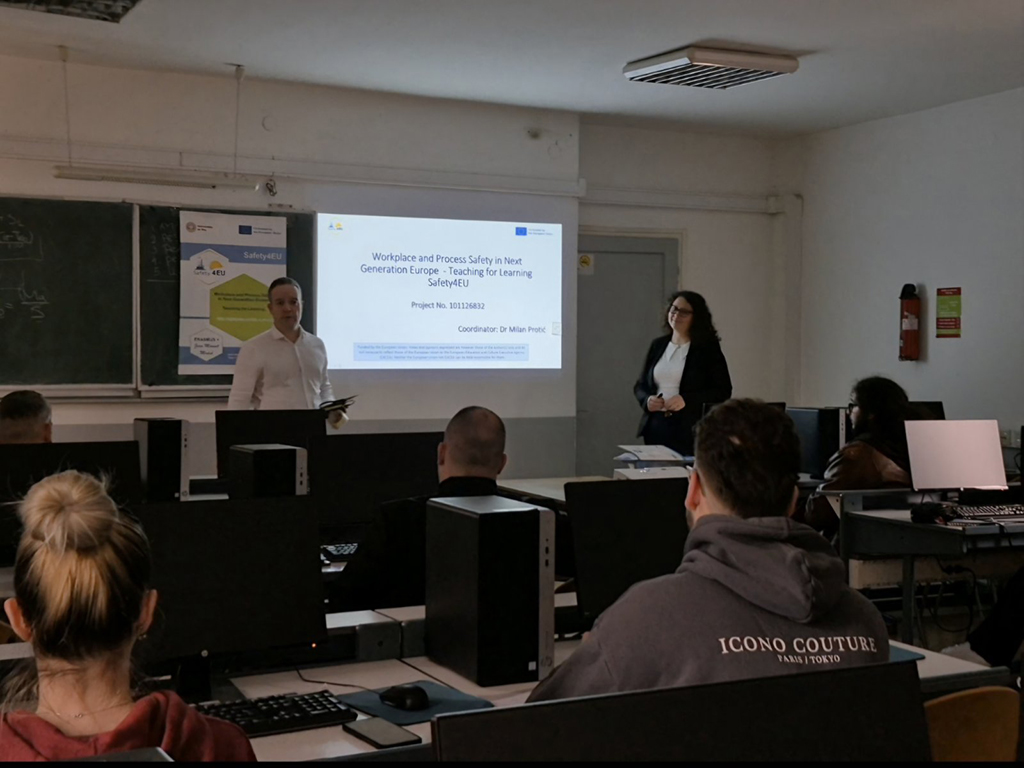
On 2 April 2026, the third generation of students officially began the Safety4EU module at the Faculty of Occupational Safety, University of Niš, marking the start of lectures for the newest group enrolled in the programme.
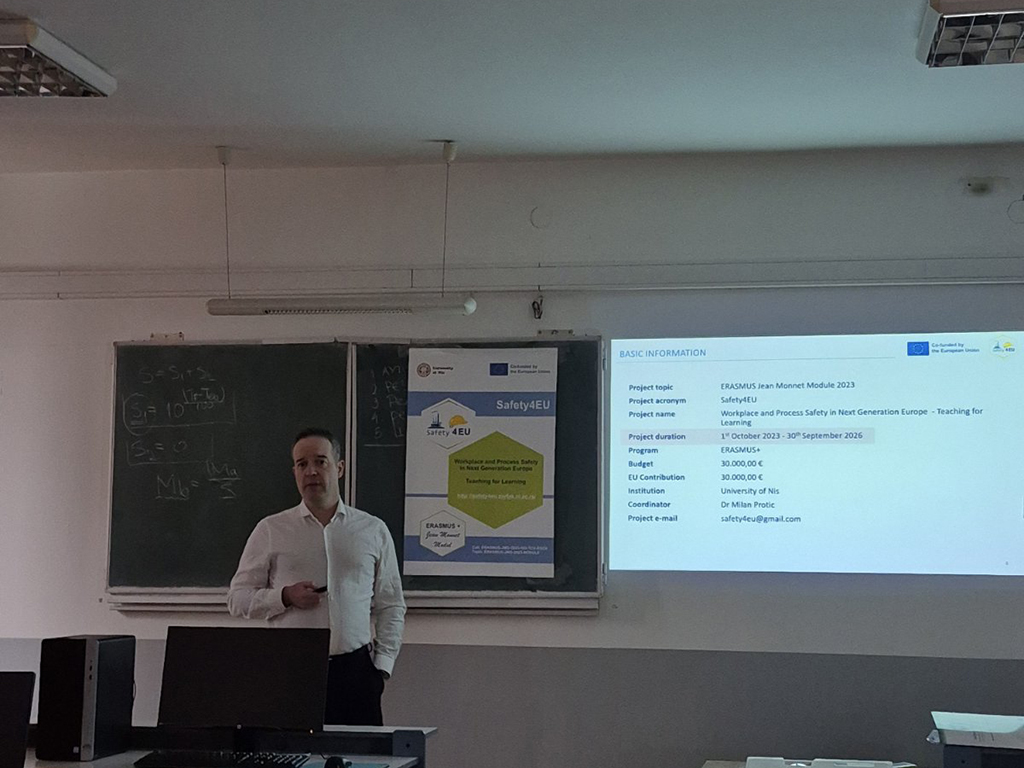
The course coordinator, Prof. Dr. Milan Protić, introduced the module to students and young professionals, presenting its structure, main goals, and approach to implementation.
The opening lecture, “Introduction to European Integration,” was delivered by Prof. Dr. Tamara Rađenović. It offered an interdisciplinary perspective on European integration, covering its social, political, economic, and legal aspects. The lecture also familiarized students with key EU institutions, legislative frameworks, and the enlargement process, emphasizing their organisation and future perspectives.


26.03.2026.
Safety4EU Project Promoted at the "Digital water education" Workshop in Sinaia (DIGISKILLS project)
On March 26, 2026, Safety4EU was presented and promoted at the “Digital Water Education” workshop held in Sinaia, Romania. The event was organized by Universitatea Dunarea de Jos din Galati. The workshop was part of the Erasmus+ project “DIGISKILLS: Strengthening Digital Skills in the Water Sector Higher Education,” co-funded by the European Union. It served as an important international platform for introducing the Safety4EU initiative to a wider community of academics, researchers, and industry professionals. The presentation in Sinaia represents an important step in strengthening the project’s European collaboration network, exchanging good practices, and encouraging dialogue on the future development of workplace and process safety in the region.
.jpeg)
.jpeg)
15.03.2026.
AVEVA Empowers Faculty of Occupational Safety Through Jean Monnet Module Initiative
We are pleased to announce a significant enhancement to our academic resources through a collaboration with AVEVA, established in 2026.
As part of this initiative, the Faculty has been granted academic access to the AVEVA Process Simulation Full Functionality Bundle (ALS), a premier industrial tool used for complex process modeling and optimization. This partnership provides 20 concurrent user licenses, allowing students and researchers to work directly with software that is a global standard in the engineering industry.
By integrating these advanced simulation tools into the curriculum, the Faculty—supported by the Jean Monnet Module—continues its commitment to equipping graduates with the high-level technical skills required for modern safety and engineering challenges across Europe. We are grateful to AVEVA for their support in fostering academic excellence and professional.
26.12.2025.
Call for Applications – Enrollment of the Third Cohort of Students
in the Jean Monnet Safety4EU Module
The University of Nis, Faculty of Occupational Safety in Niš announces a call for applications for enrollment of the third generation of students in the Jean Monnet Module “Safety at Work and in Technological Processes in Next-Generation Europe (Safety4EU)”. The module is designed to provide students with advanced knowledge and understanding of contemporary approaches to safety in work and technological environments within the European context. For more information and application details, please refer to Конкурс за упис полазника на Жан Моне модул "Безбедност на раду и у технолошким процесима у Европи следеће генерације - Safety4EU" - Универзитет у Нишу.
Funded by the European Union. Views and opinions expressed are however those of the author(s) only and do not necessarily reflect those of the European Union or the European Education and Culture Executive Agency (EACEA). Neither the European Union nor EACEA can be held responsible for them.