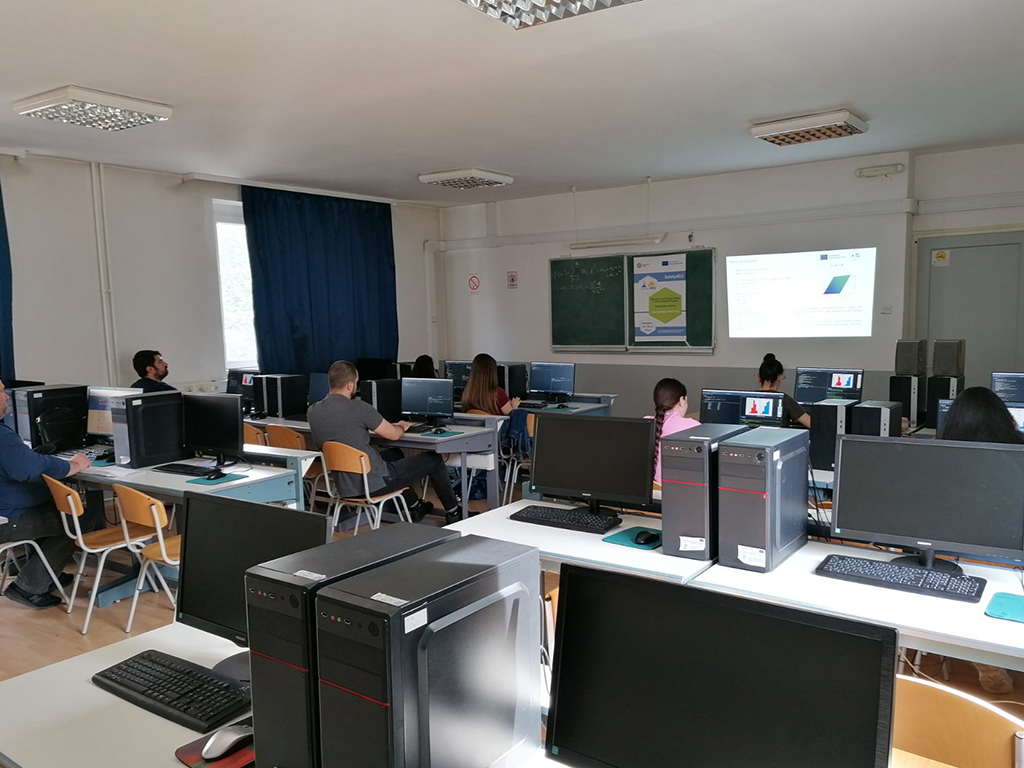
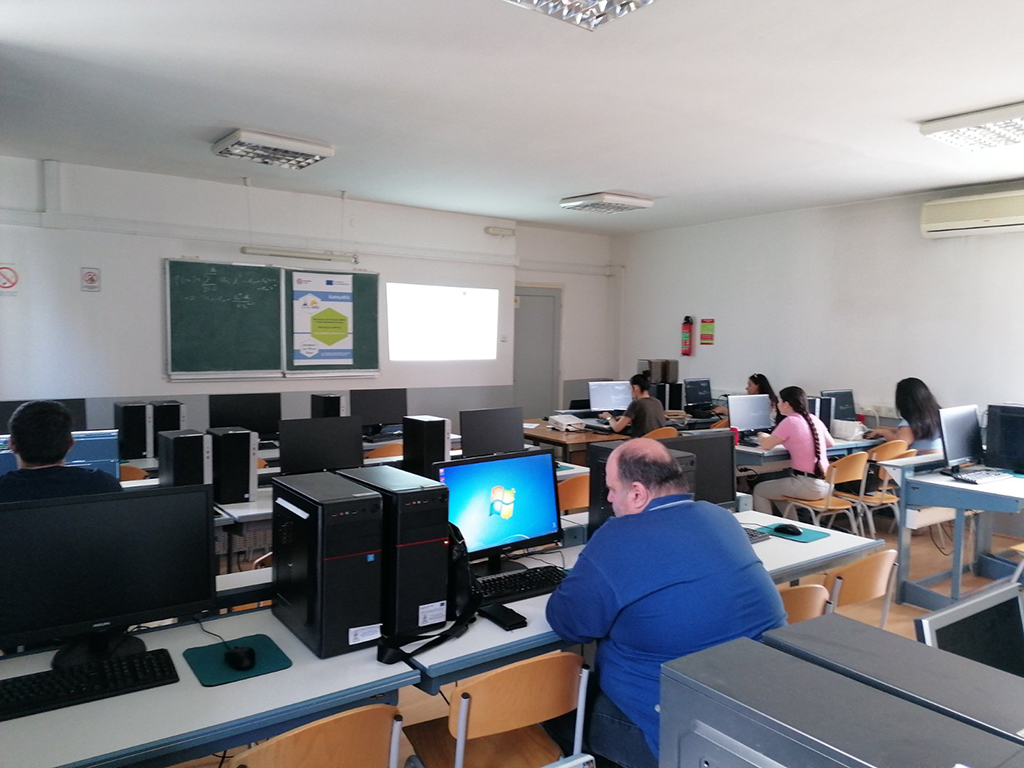
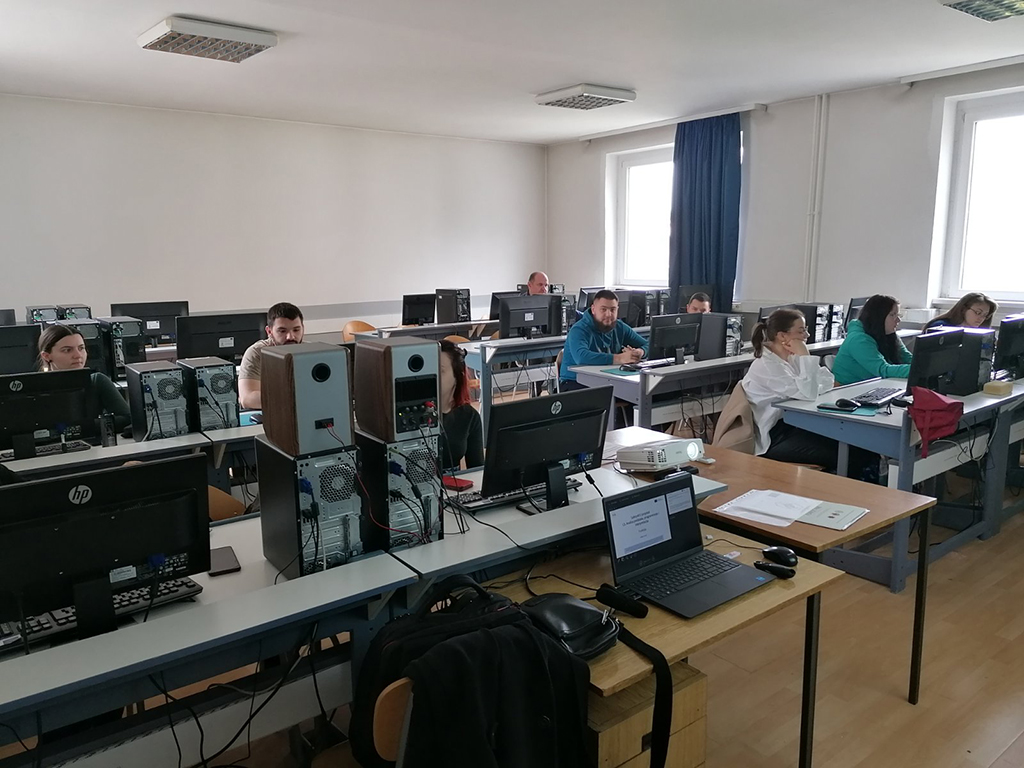
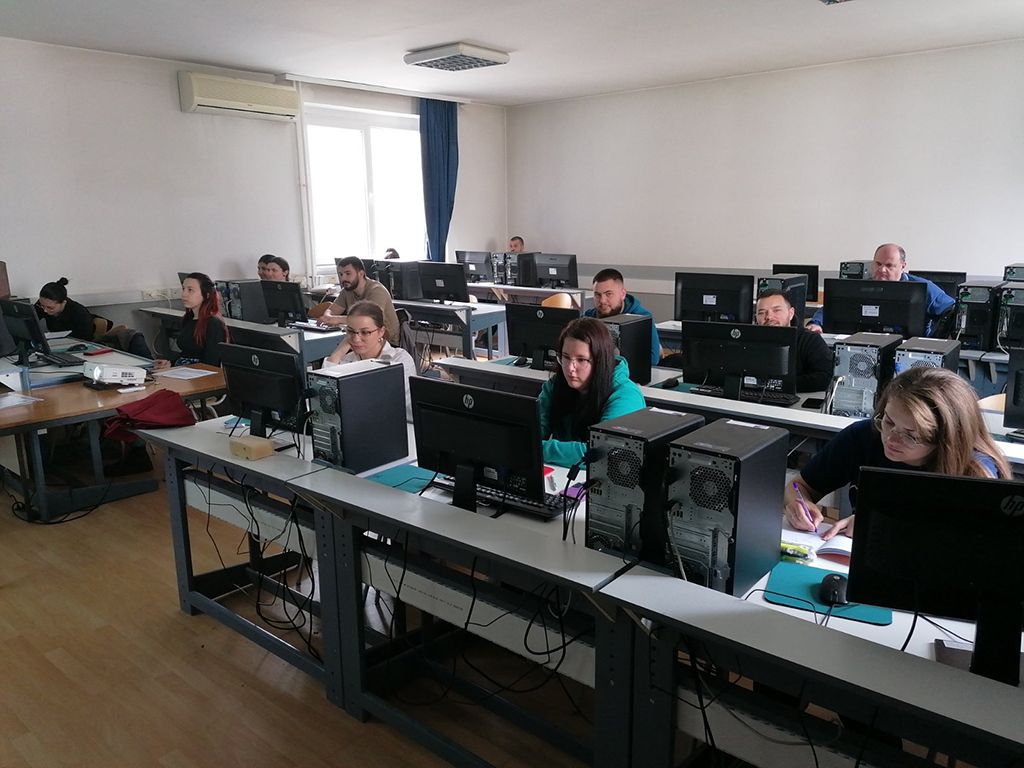
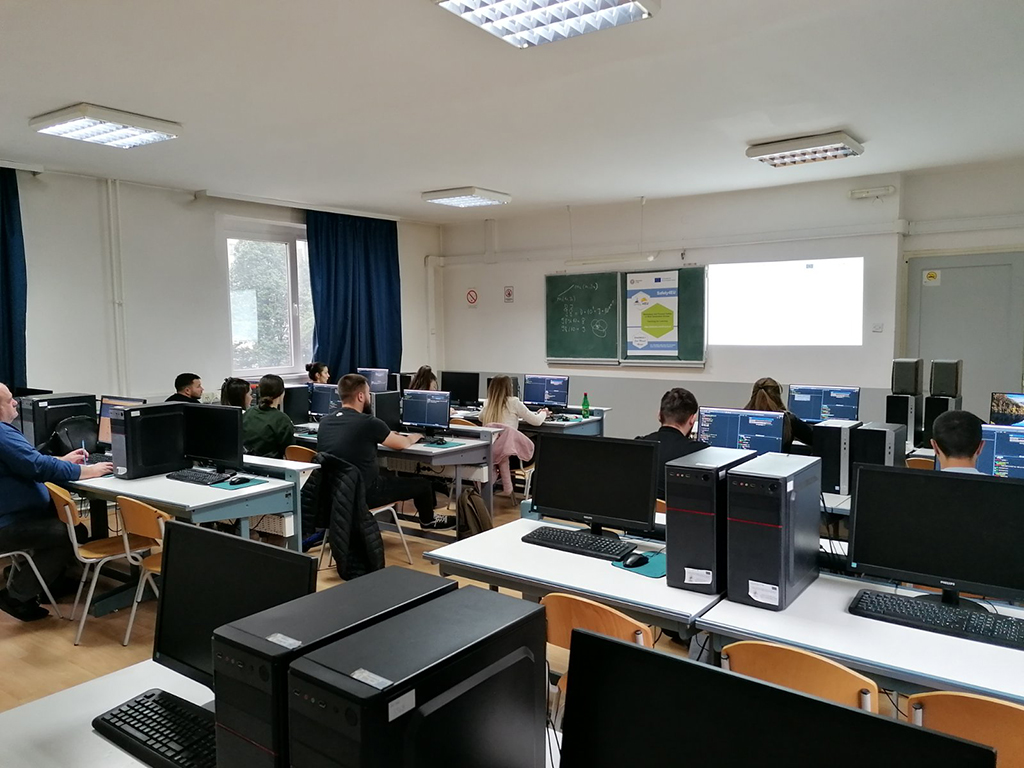
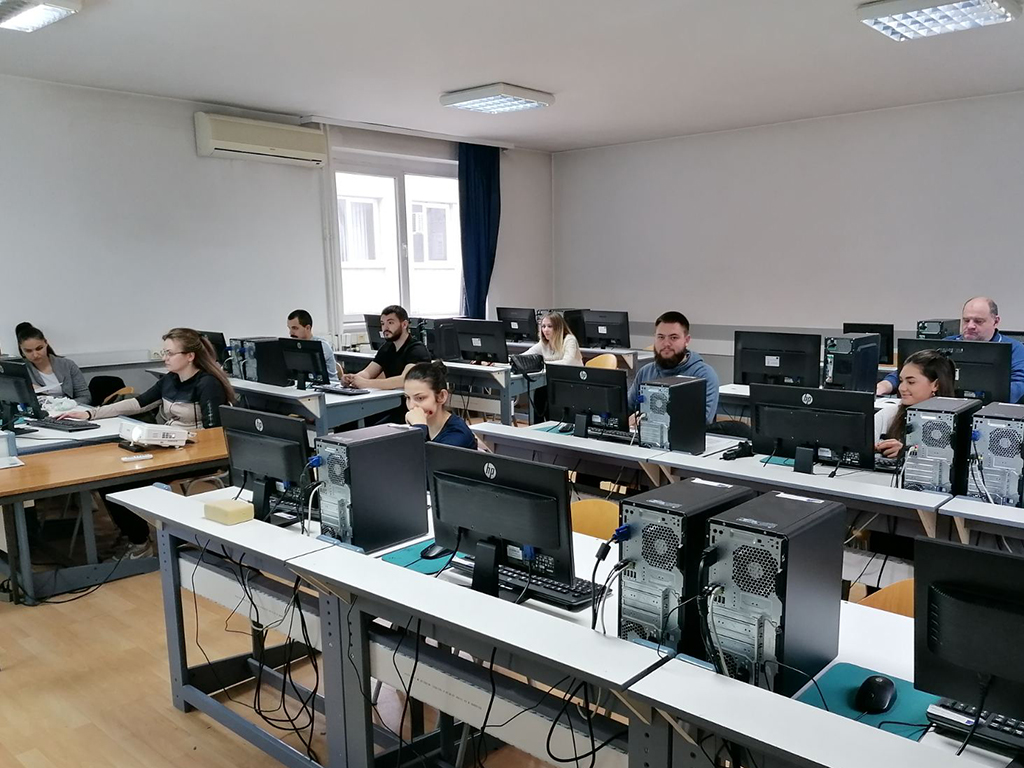
25.12.2024.
Safety4EU Newsletter No. 2 (June 2024) Now Published
We are pleased to announce the publication of Safety4EU Newsletter No. 2 (December 2024).
The full newsletter is available at the following link.
15.11.2024.
Safety4EU Project Presented
at International Conference in Niš, Serbia
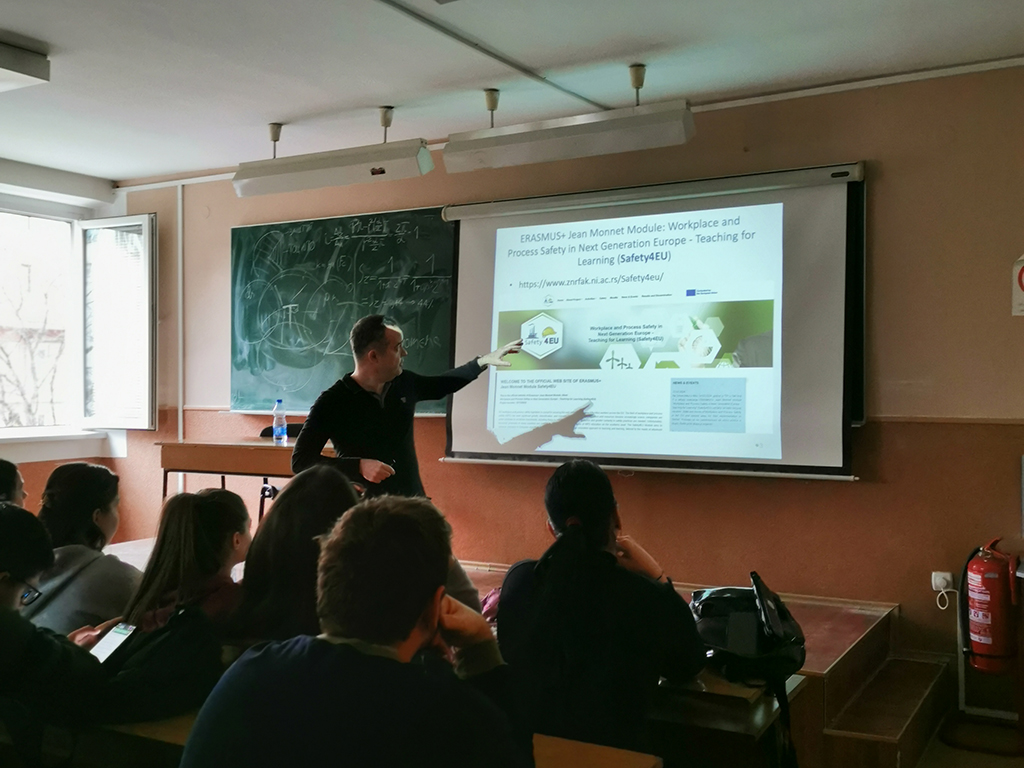
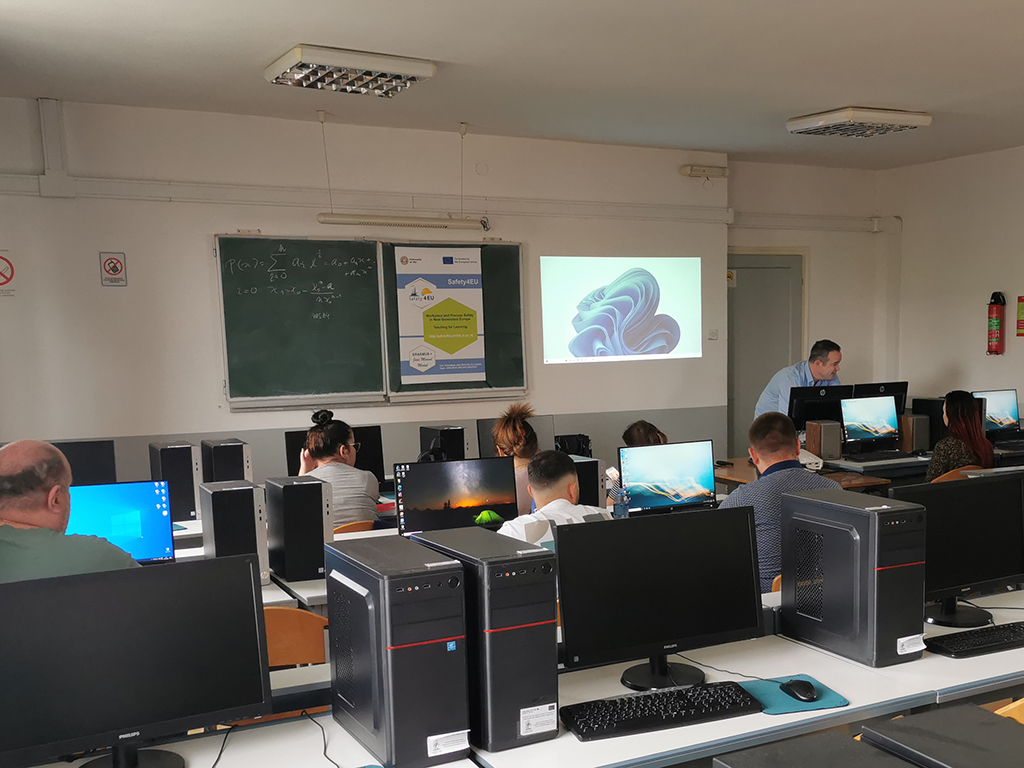
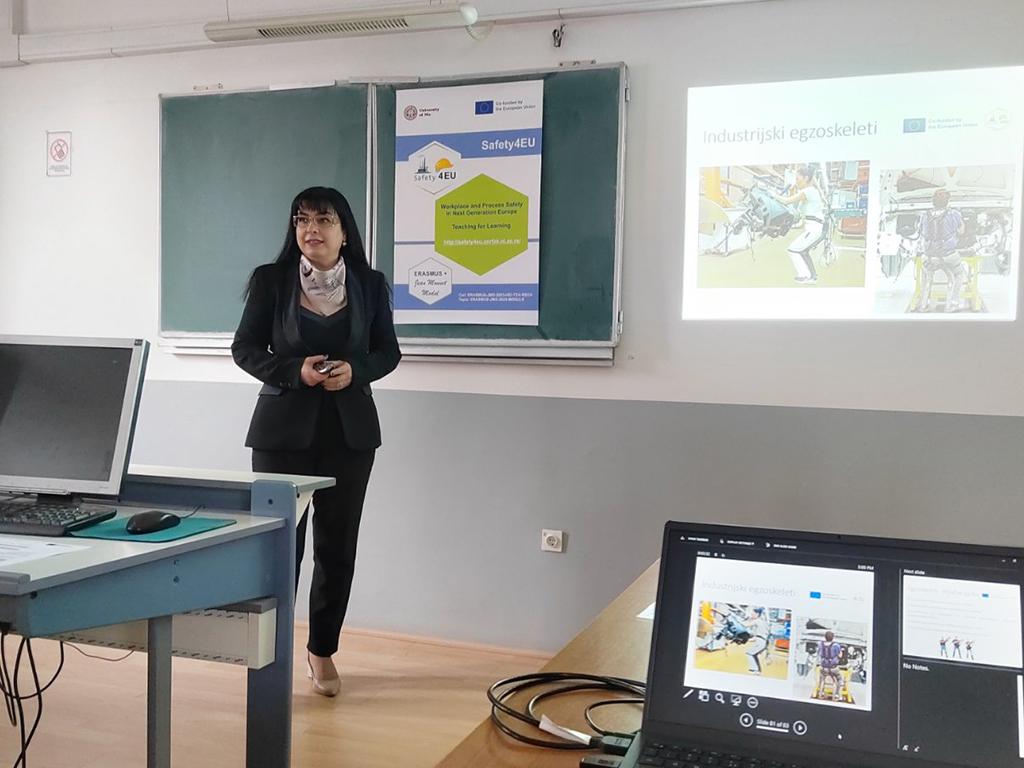
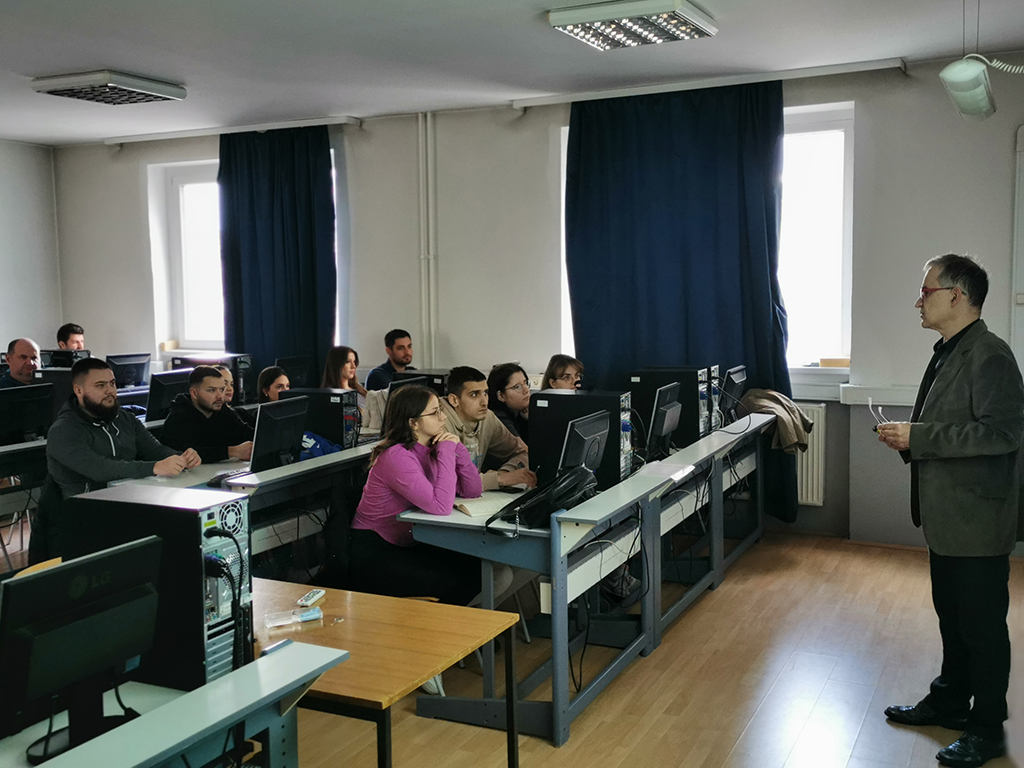
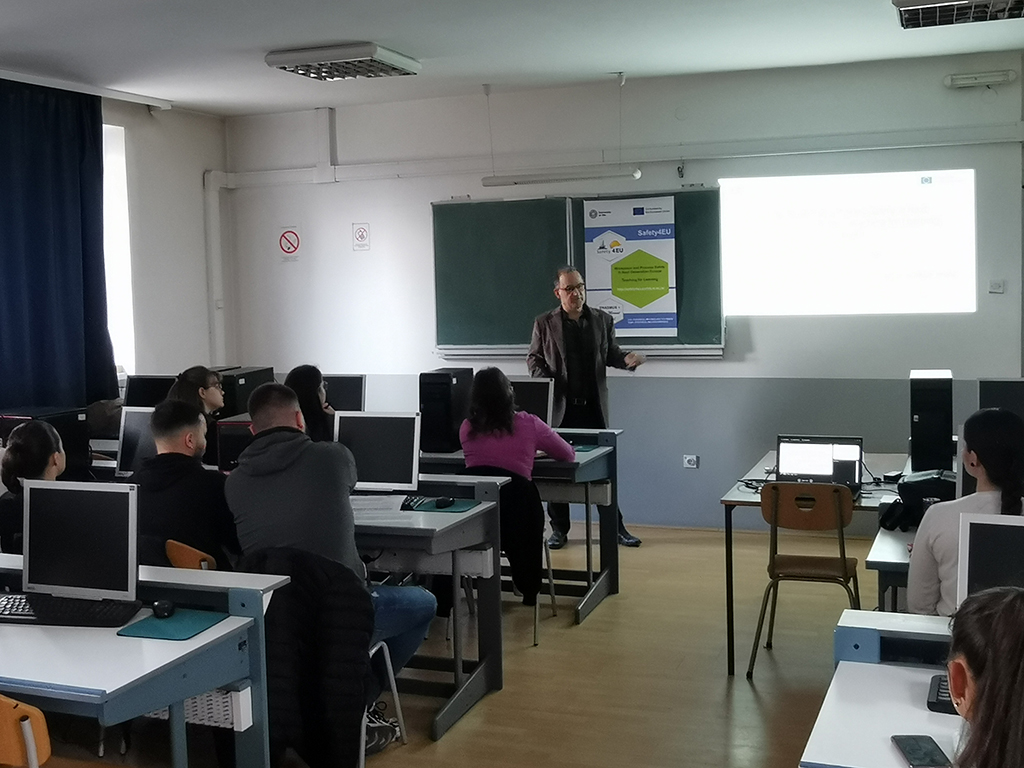
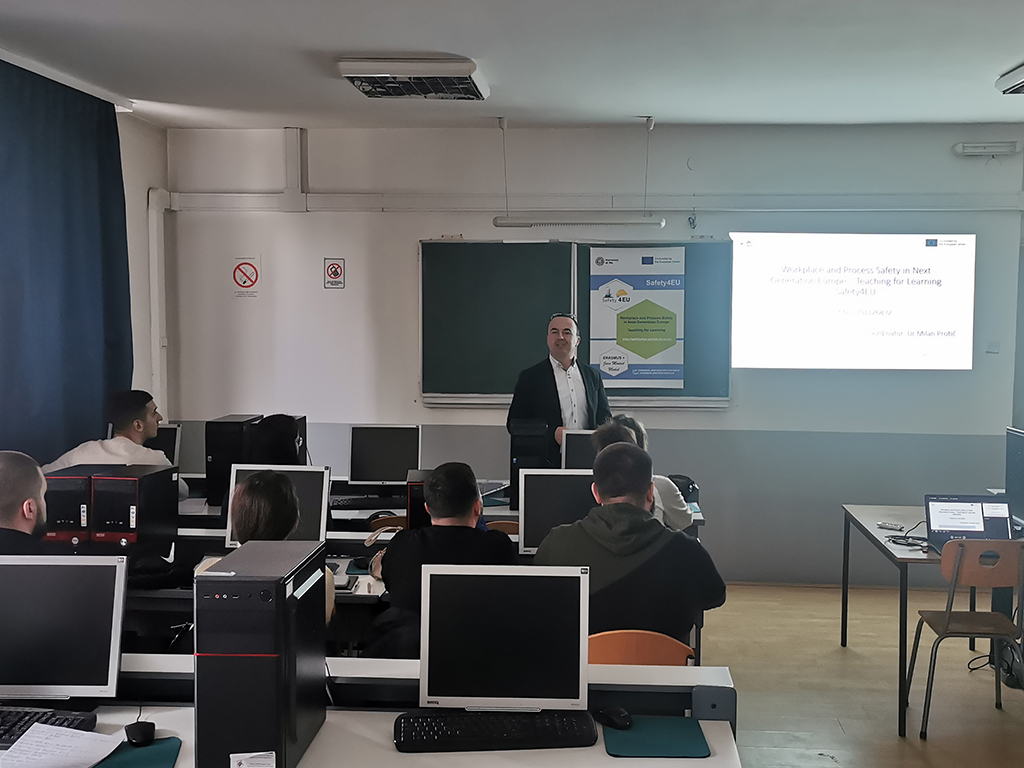
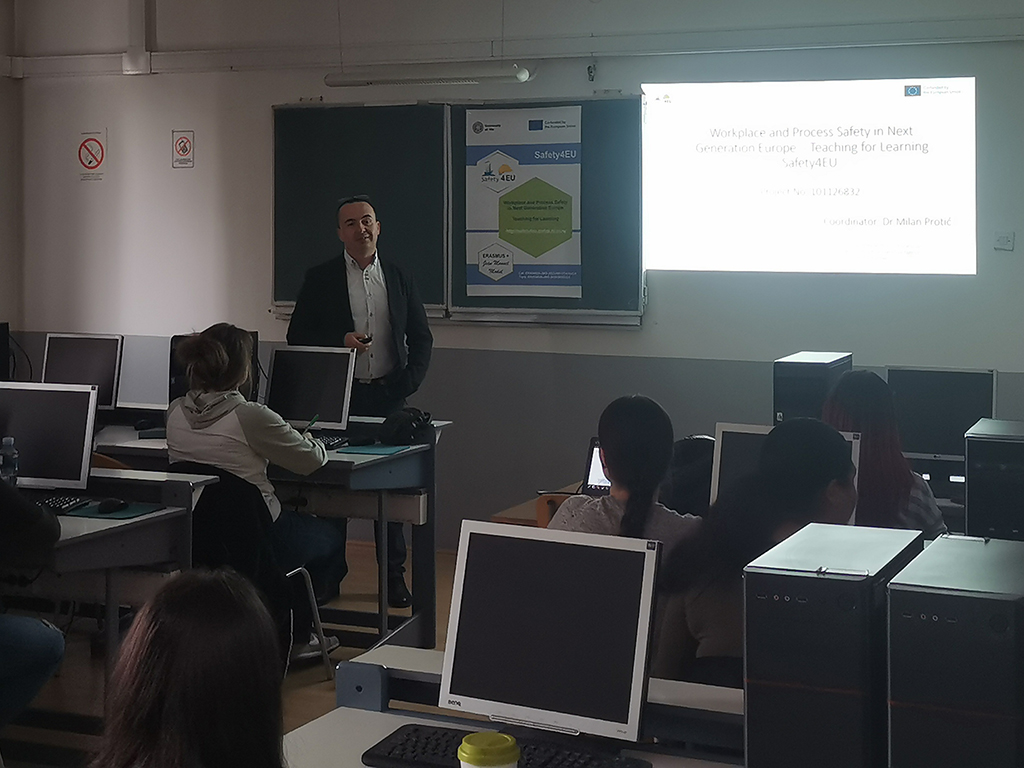
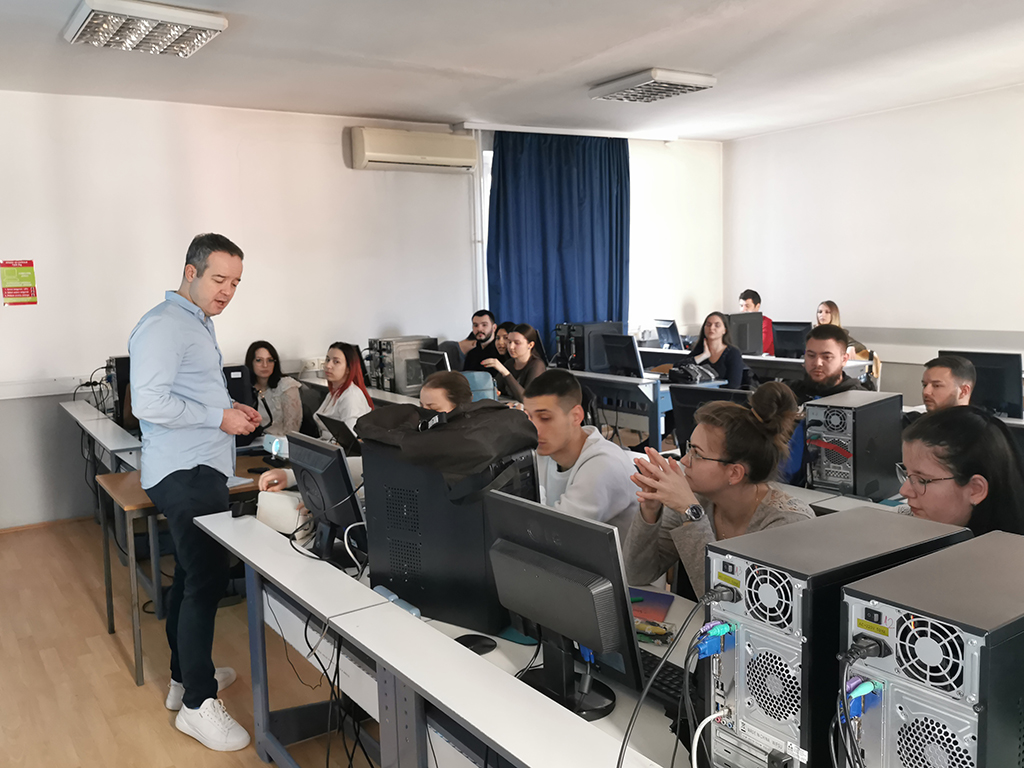
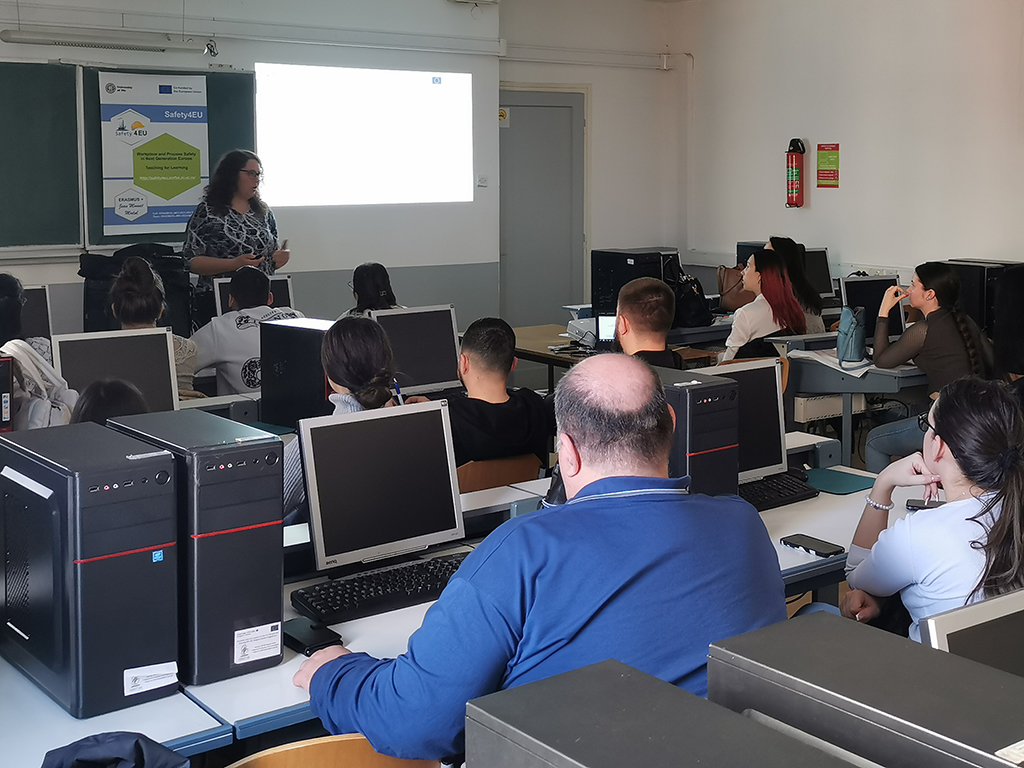
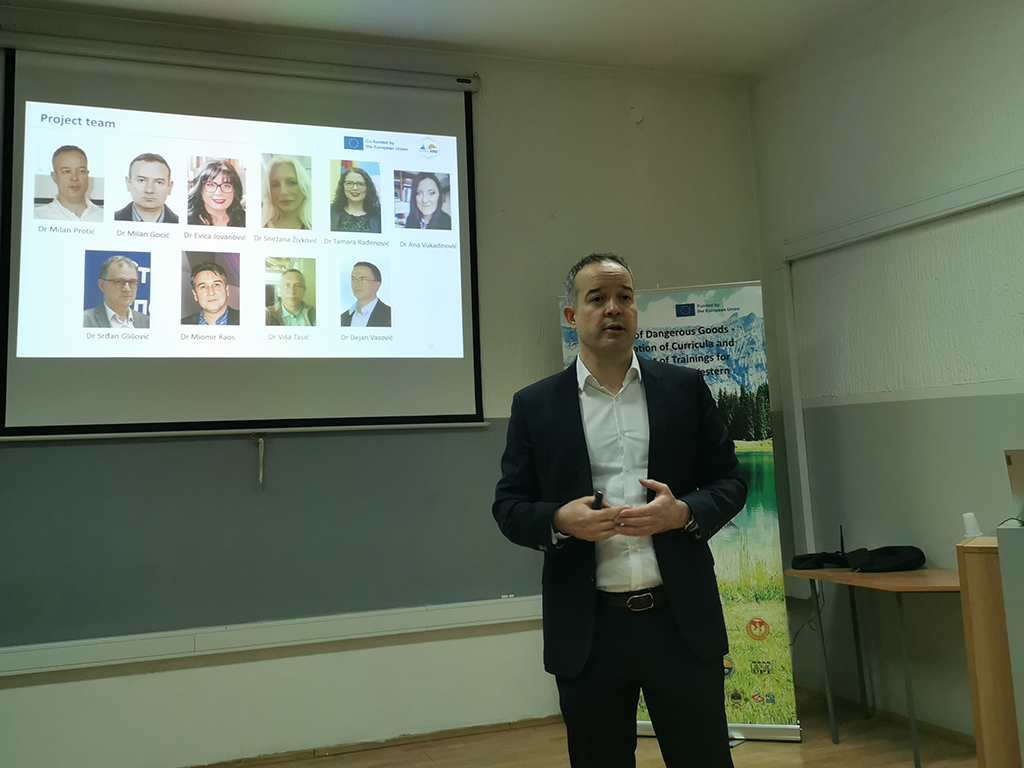
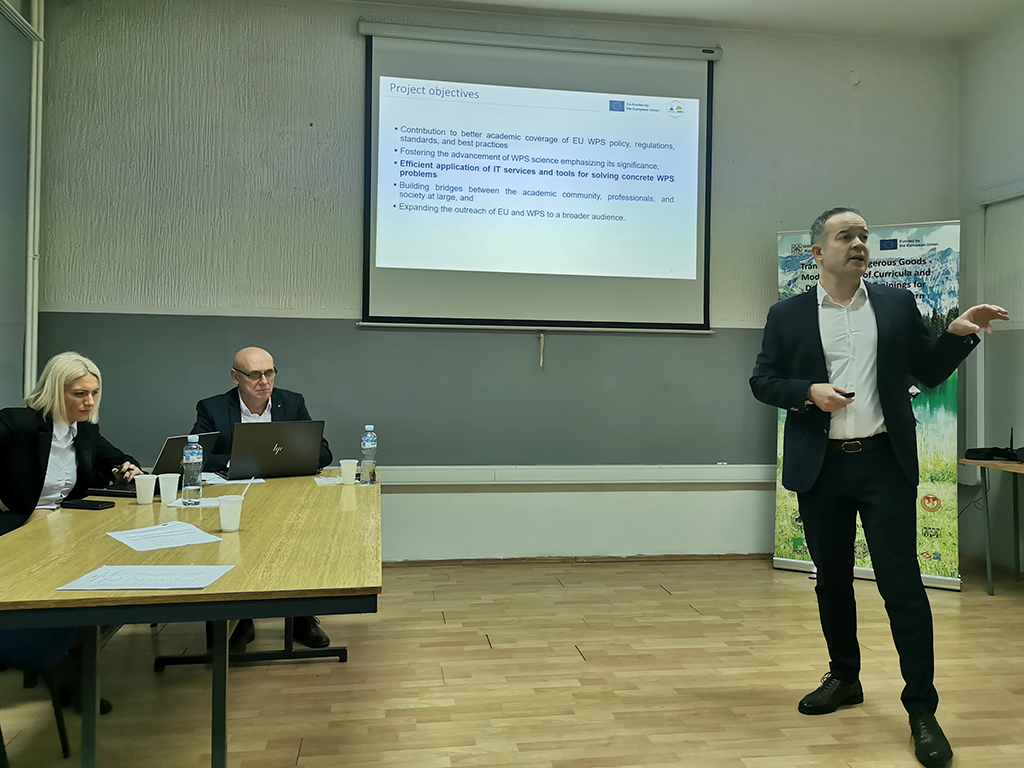
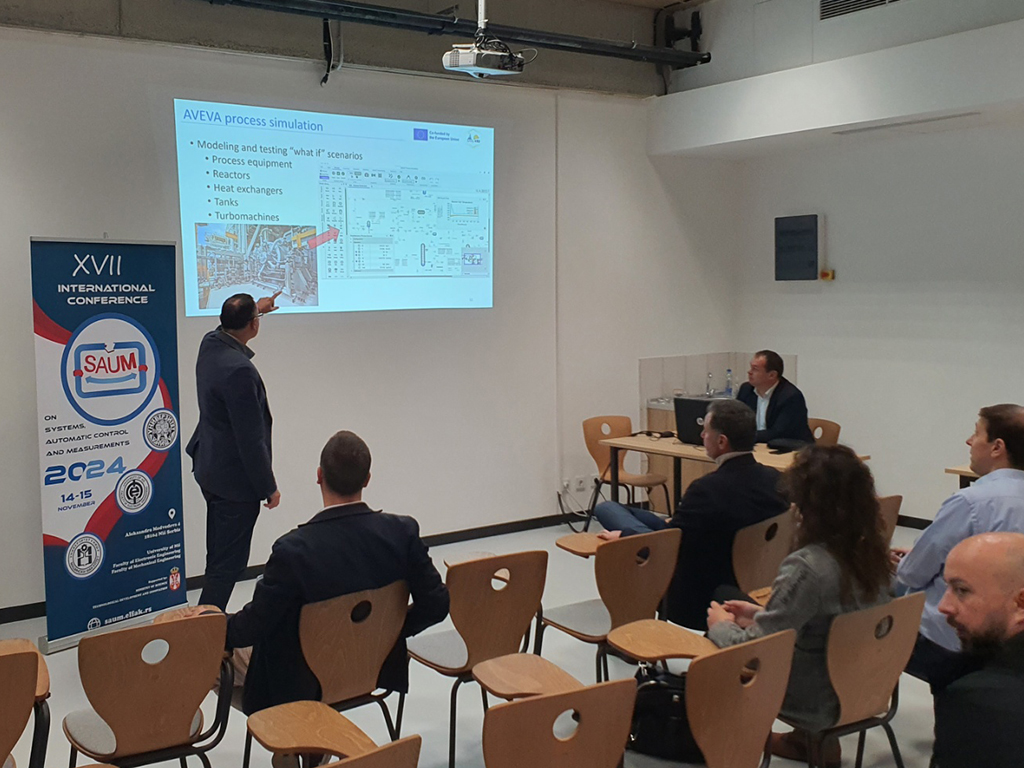
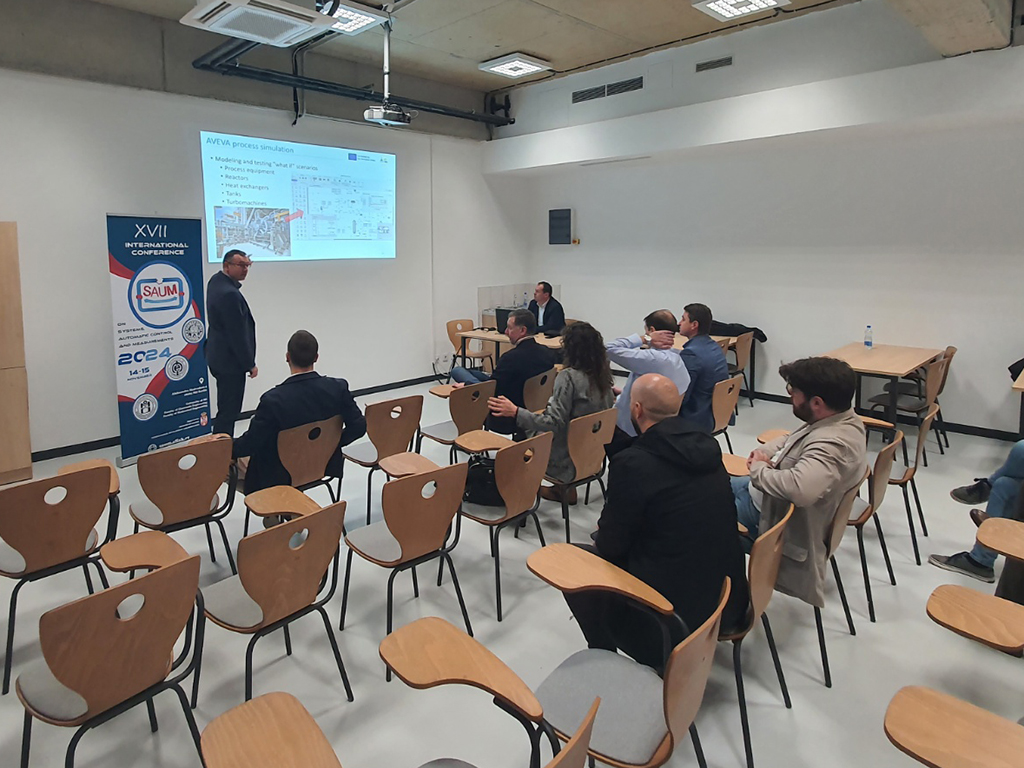
The Safety4EU project was presented during the project session of an international conference held on 14–15 November in Niš, Serbia. Prof. Milan Gocić presented the project, highlighting its objectives, activities, and key results achieved within the framework of improving safety education and training in higher education institutions.
The presentation contributed to the dissemination of project outcomes and strengthened collaboration and visibility of Safety4EU at the international level.
05.11.2024.
Safety4EU Project and Results Presented
at the Faculty of Transport and Traffic Engineering in Doboj
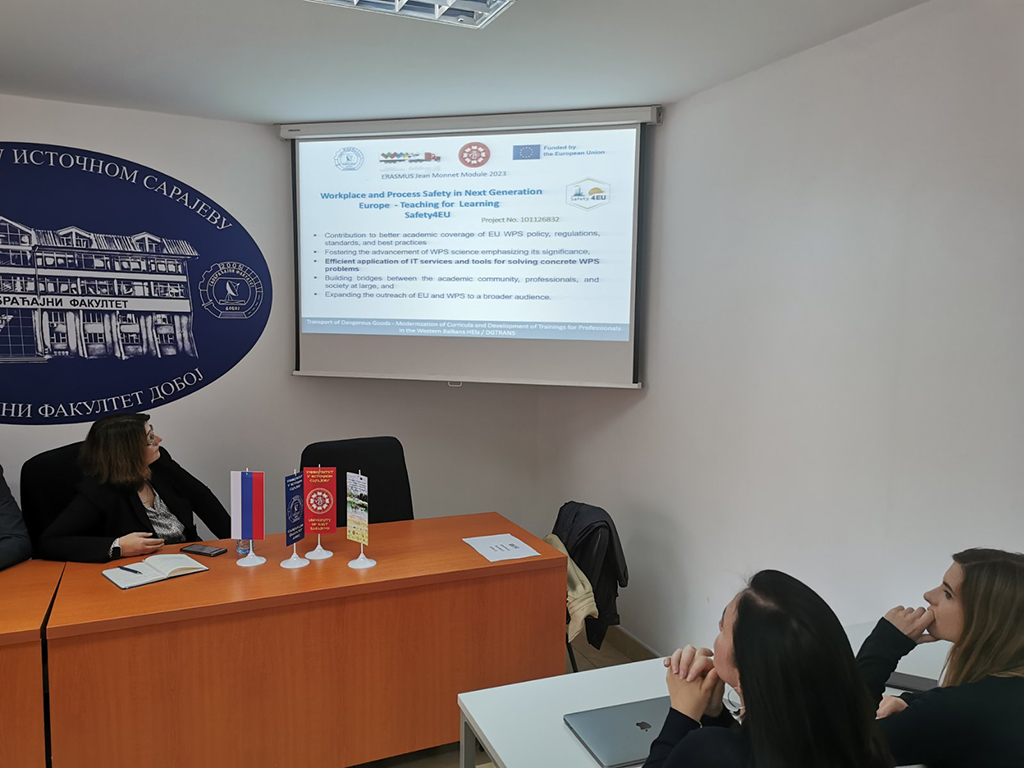
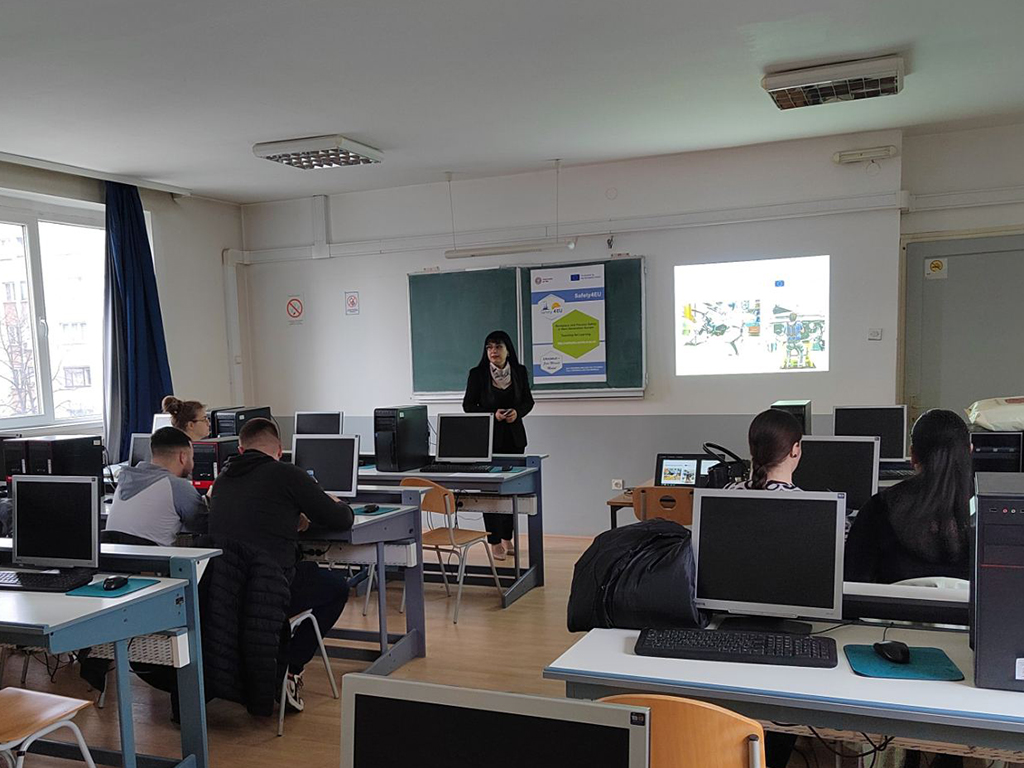
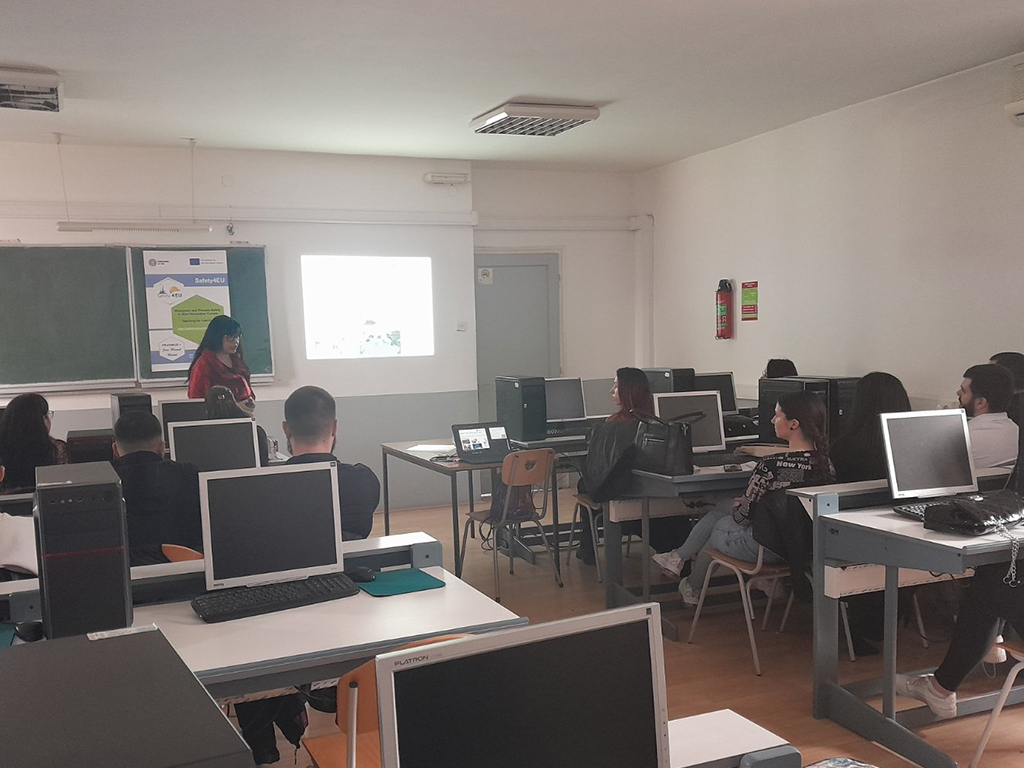
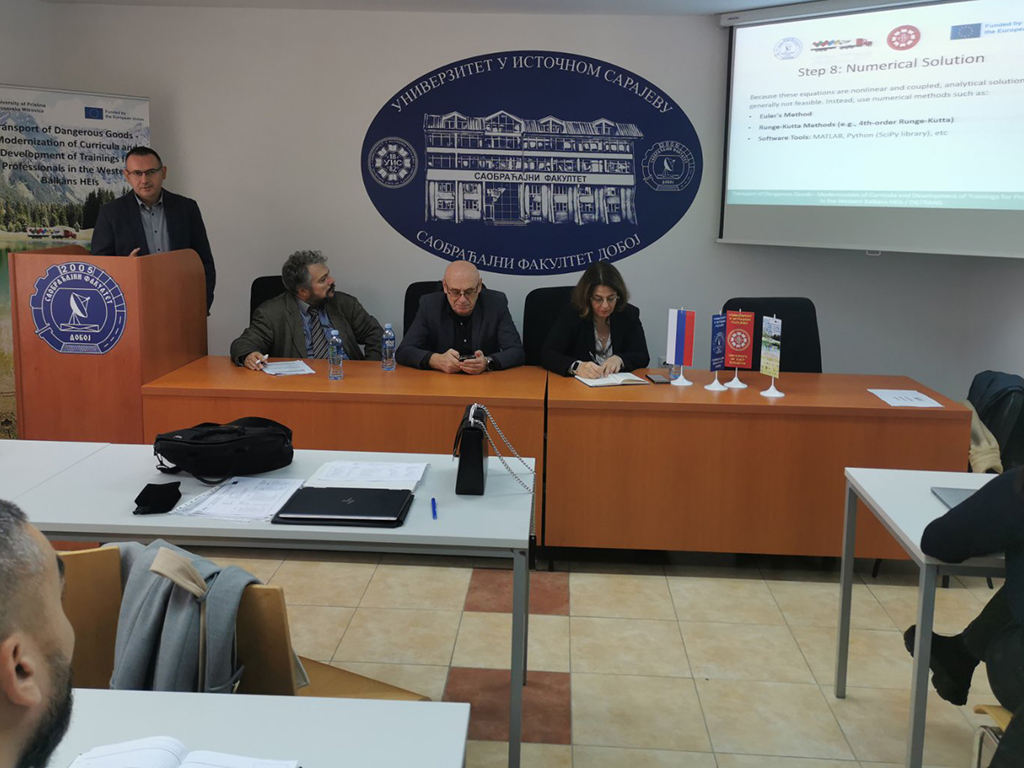
At the Faculty of Transport and Traffic Engineering in Doboj, University of East Sarajevo, as part of the “Transport of Dangerous Goods – Modernization of Curricula and Development of Trainings for Professionals in the Western Balkans HEIs” event held on 5 November 2024, Prof. Milan Gocić presented the Safety4EU project and its key results.


26.06.2024.
Safety4EU Newsletter No. 1 (June 2024) Now Published
We are pleased to announce the publication of Safety4EU Newsletter No. 1 (June 2024).
The full newsletter is available at the following link.
04.06.2024.
Final Lecture Session
and Certificate Award Ceremony within Safety4EU Module
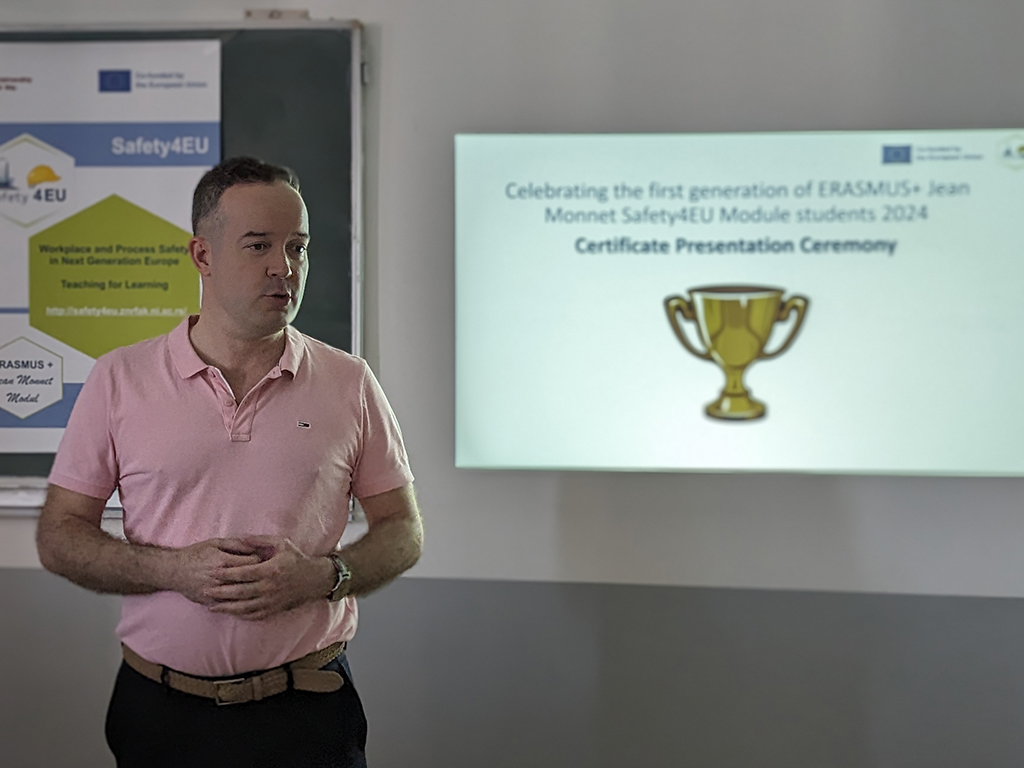
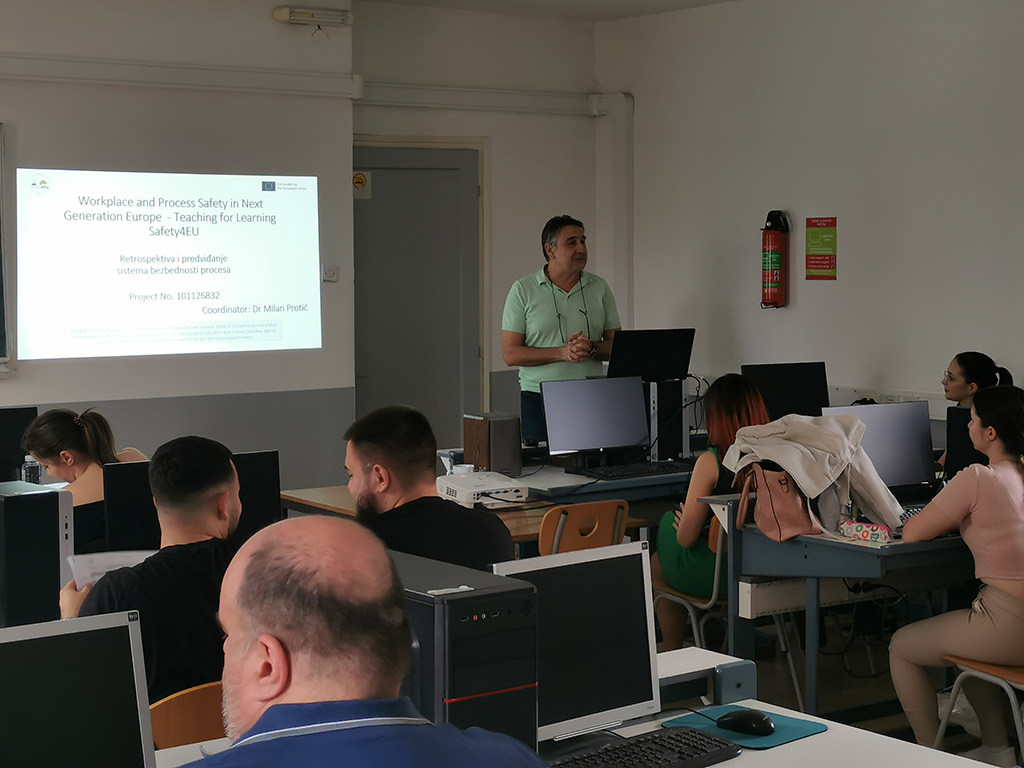
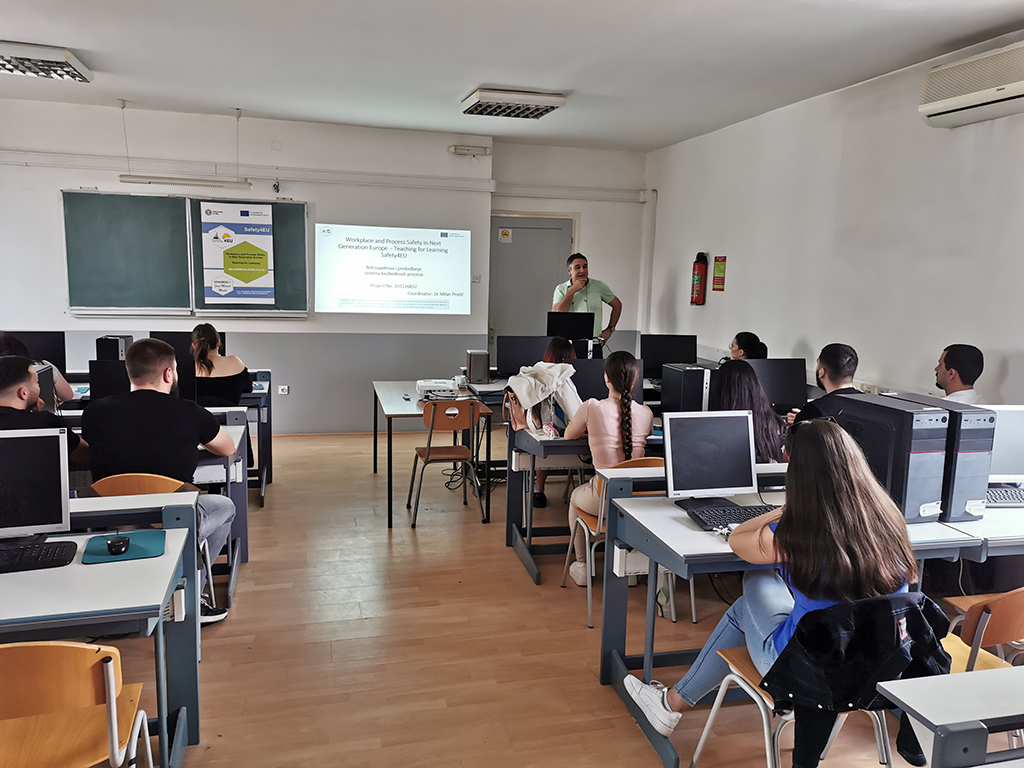
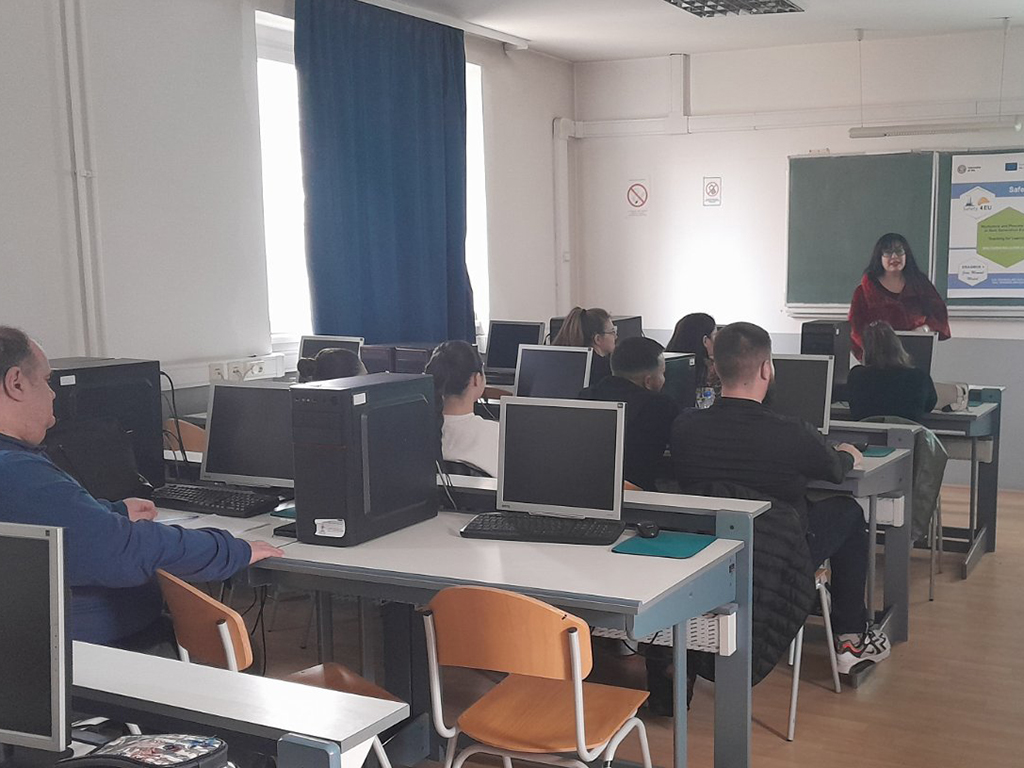
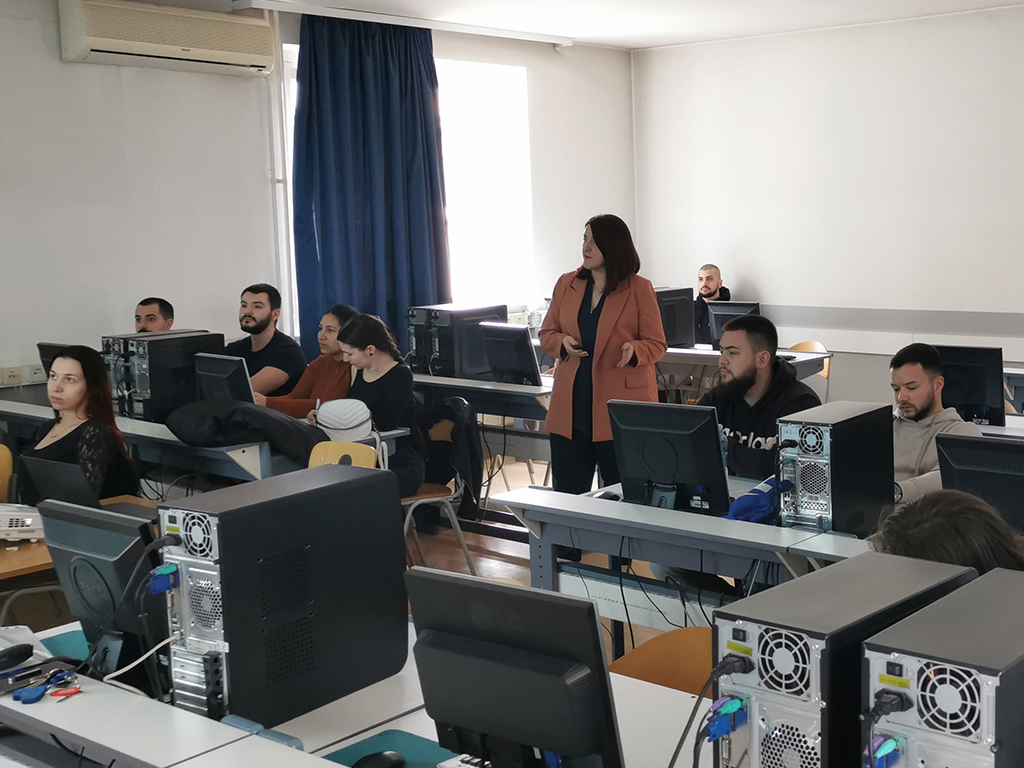
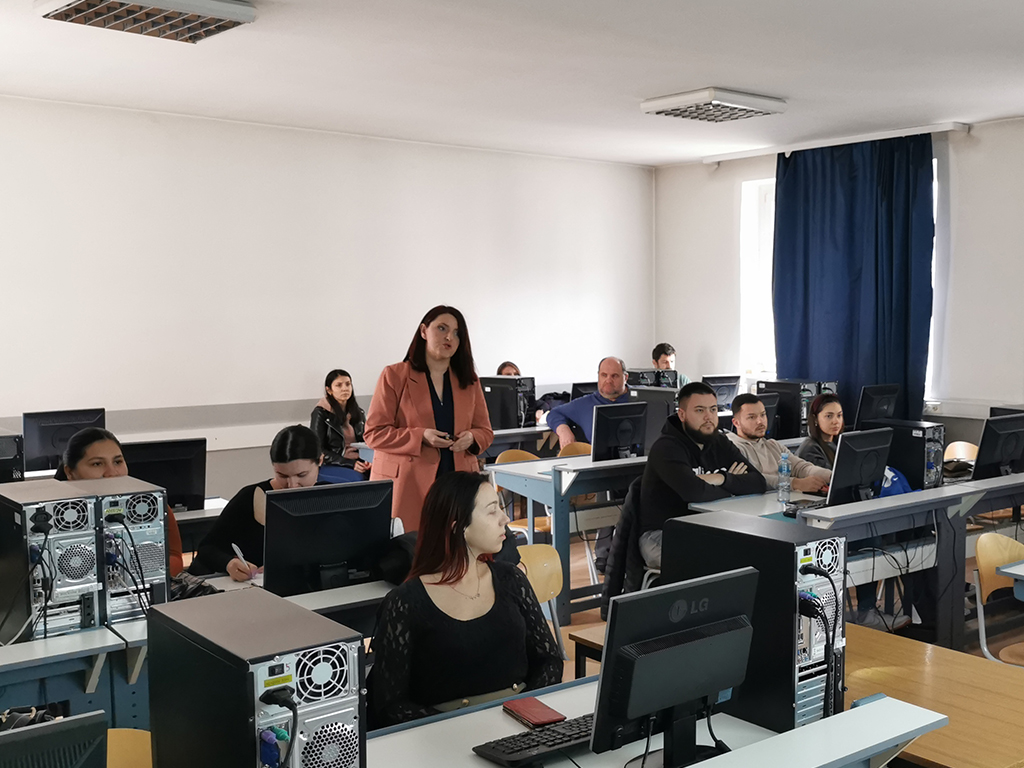
The final part of the lecture “Hazards and Consequences in Industry” by Prof. Milan Protić. On the same day, the Safety4EU project reached an important milestone. The first generation officially received their certificates at a ceremony held at the Faculty of Occupational Safety. Certificates were awarded to students who successfully completed all course requirements and showed strong commitment throughout the module.


30.05.2024.
Lecture on Hazards and Consequences in Industry (part III) and Students Final Assessments and Presentations
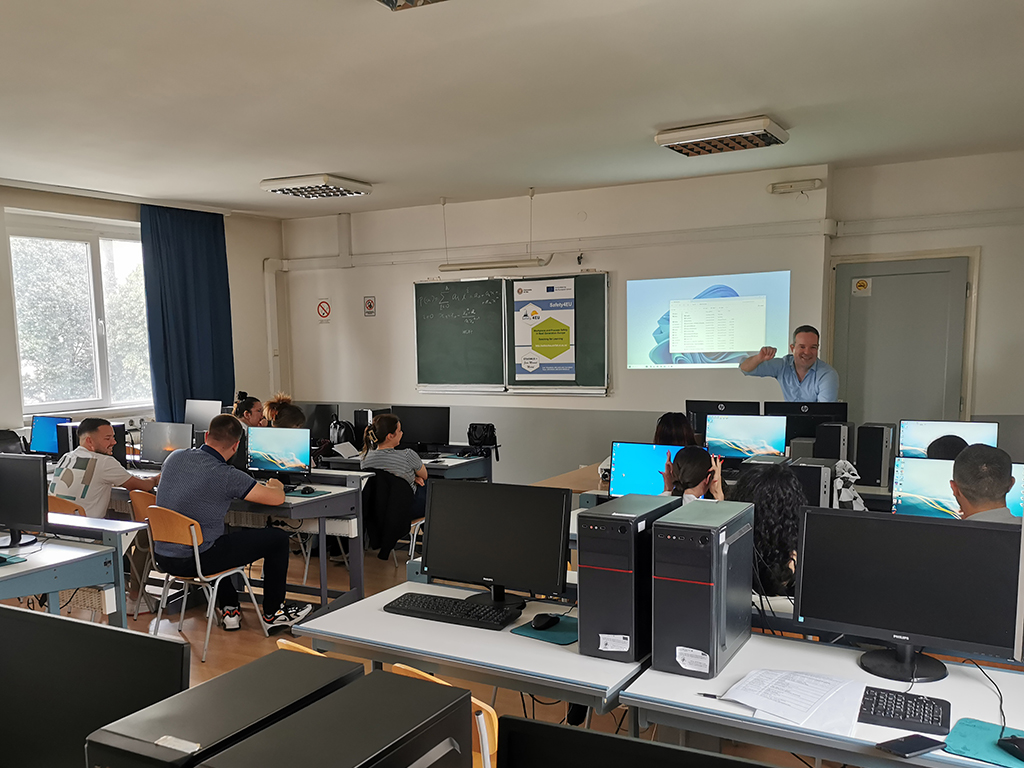
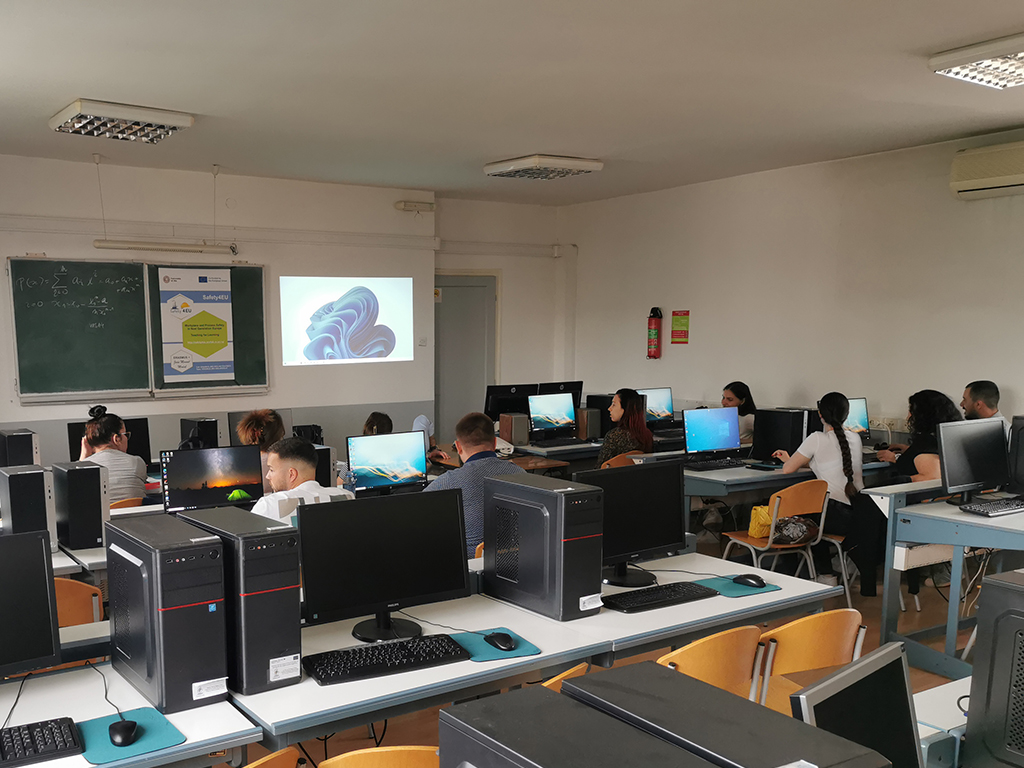
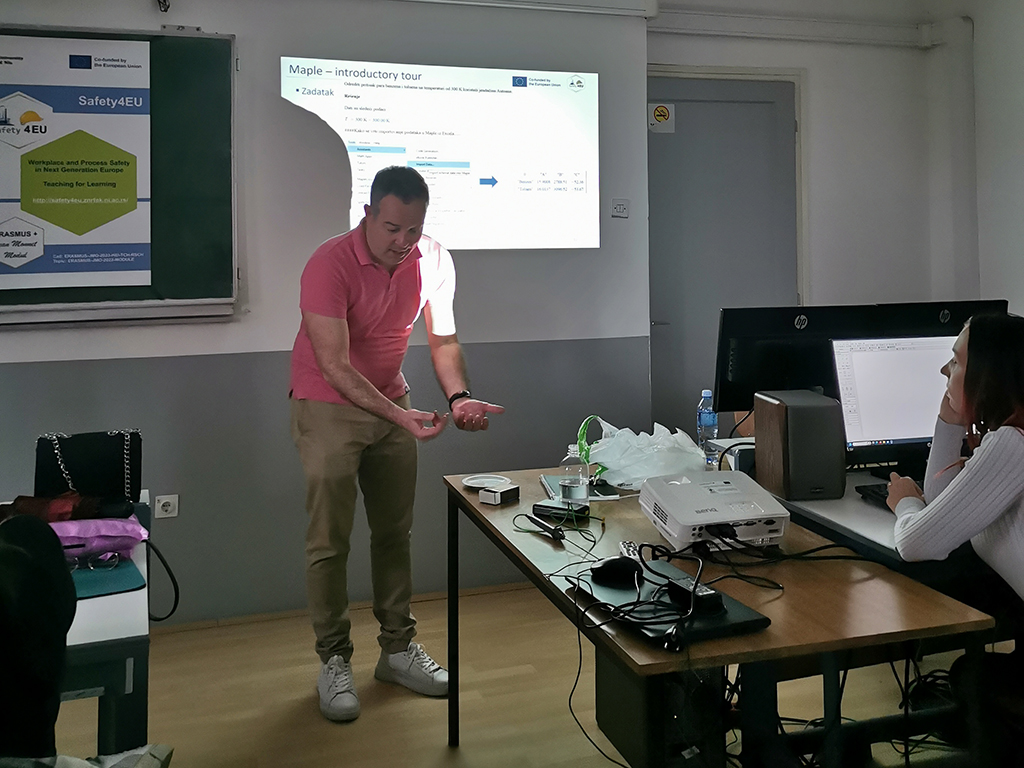
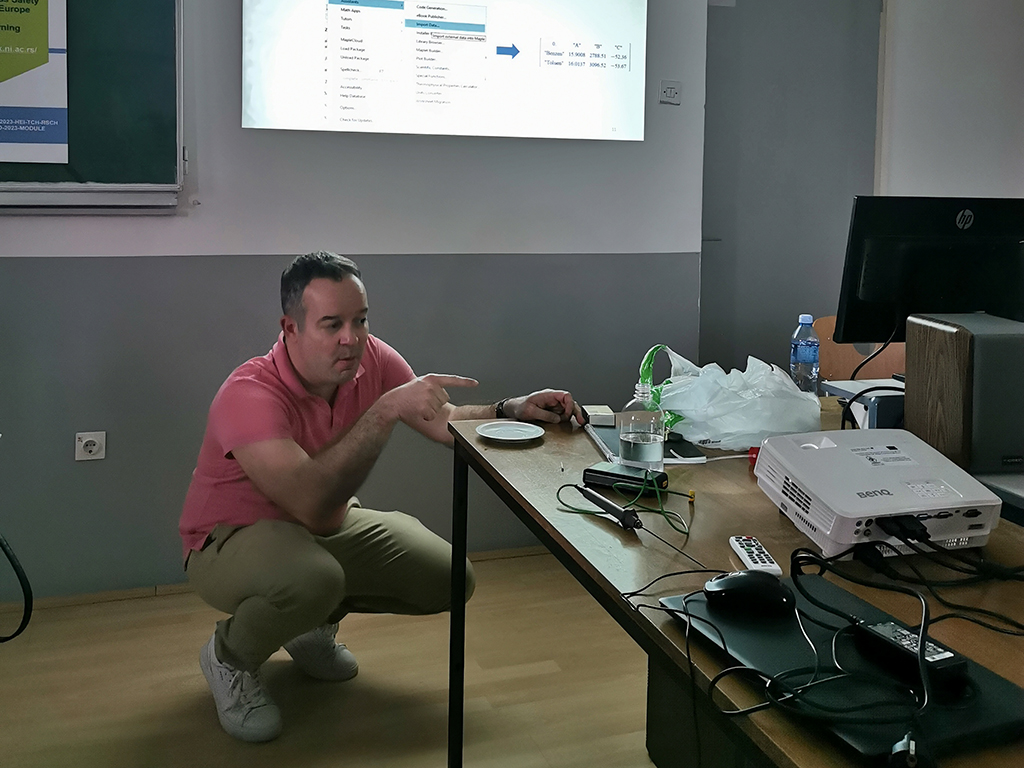
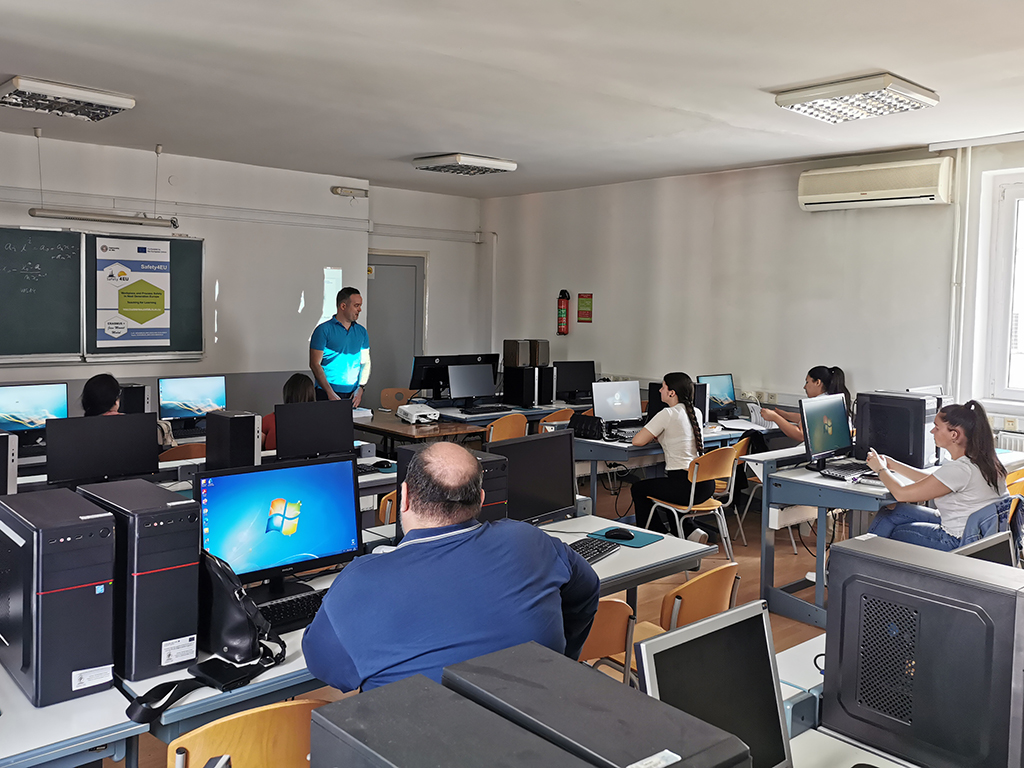
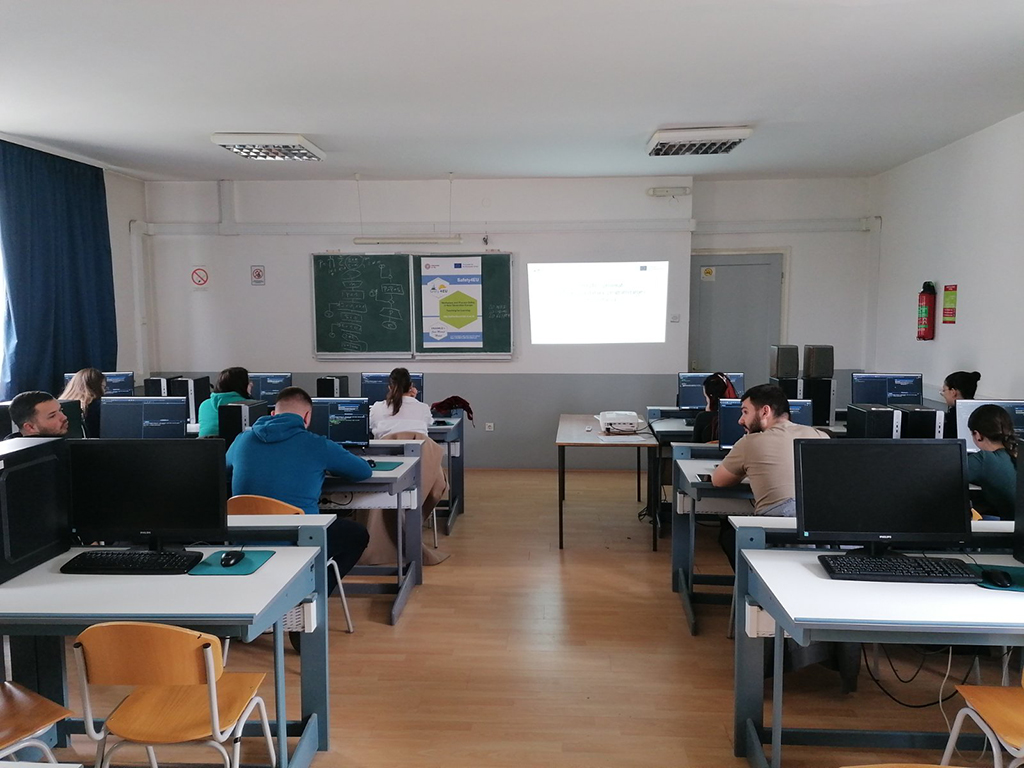
The third part of the lecture “Hazards and Consequences in Industry,” delivered by Prof. Milan Protić, focused on the application of theoretical knowledge through worked examples and computational tools. Students used software such as Python (Jupyter Notebook) and MathCAD to solve practical problems and deepen their understanding of hazard assessment and modeling.
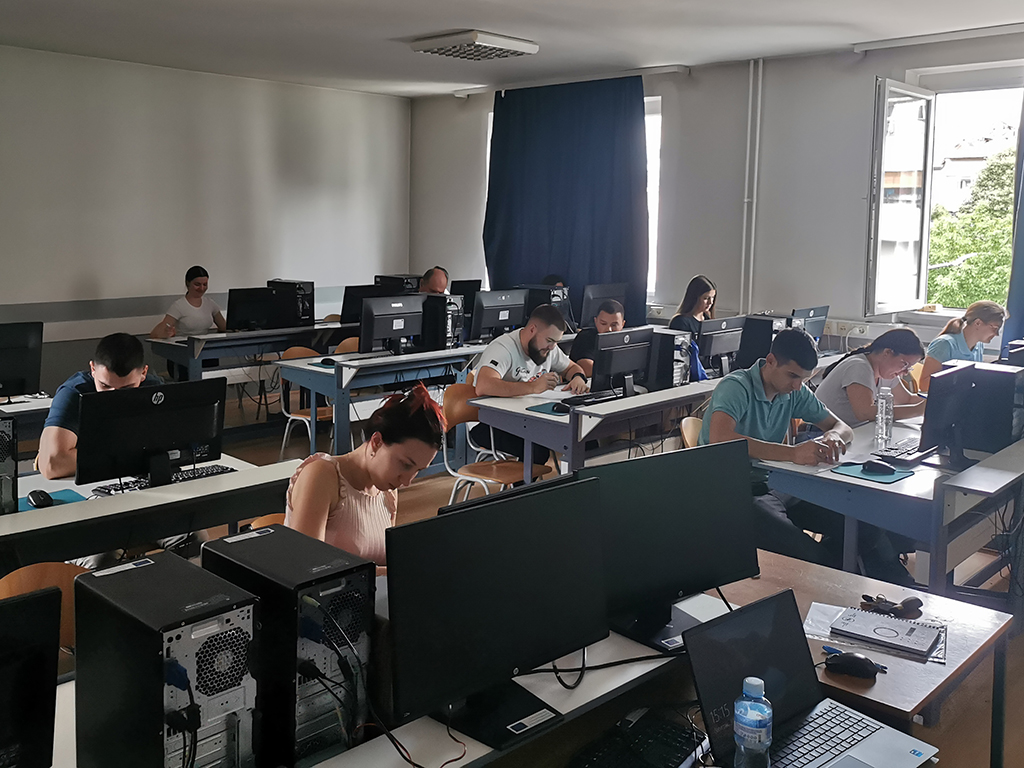
On the same day, May 30, 2024, students completed their final assessments covering the key topics addressed throughout the program. In addition to the tests, they presented their seminar papers, demonstrating their understanding of the course content and their ability to apply acquired knowledge to relevant topics.
.jpg)

28.05.2024.
Lecture and Laboratory Visit on Hazards
and Consequences in Industry
On May 28, Prof. Milan Protić continued the second part of the lecture “Hazards and Consequences in Industry,” focusing on advanced topics such as combustion fundamentals and the mechanisms of fire and explosion development. Students examined how these phenomena are analyzed and interpreted within the field of process safety.
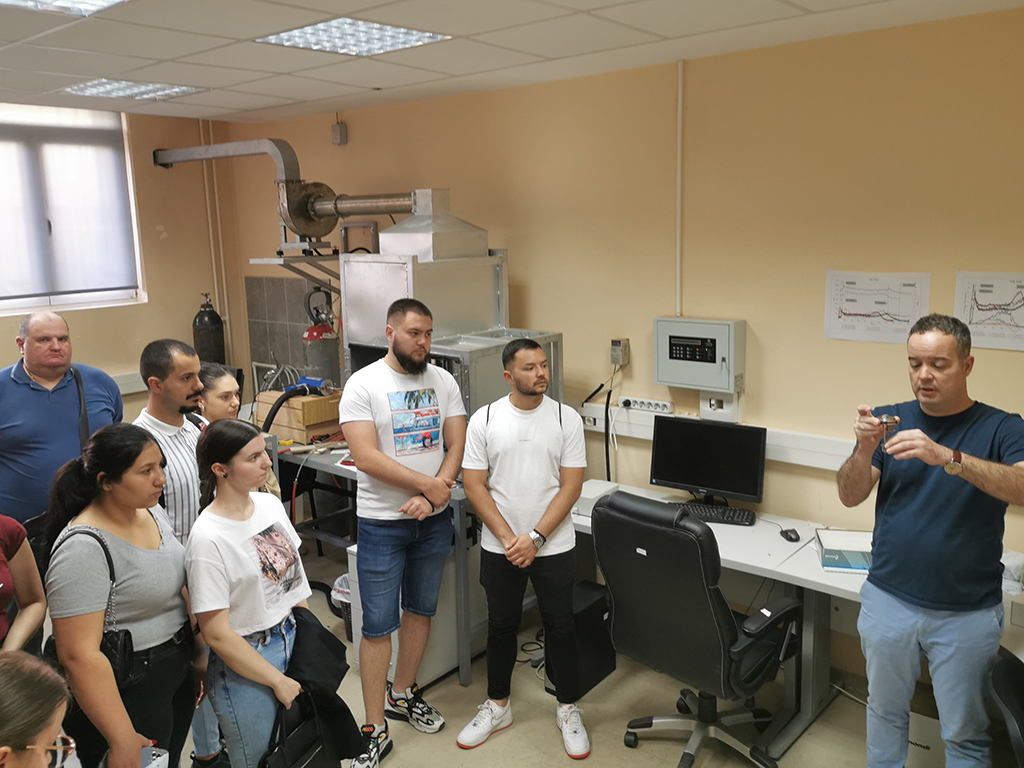
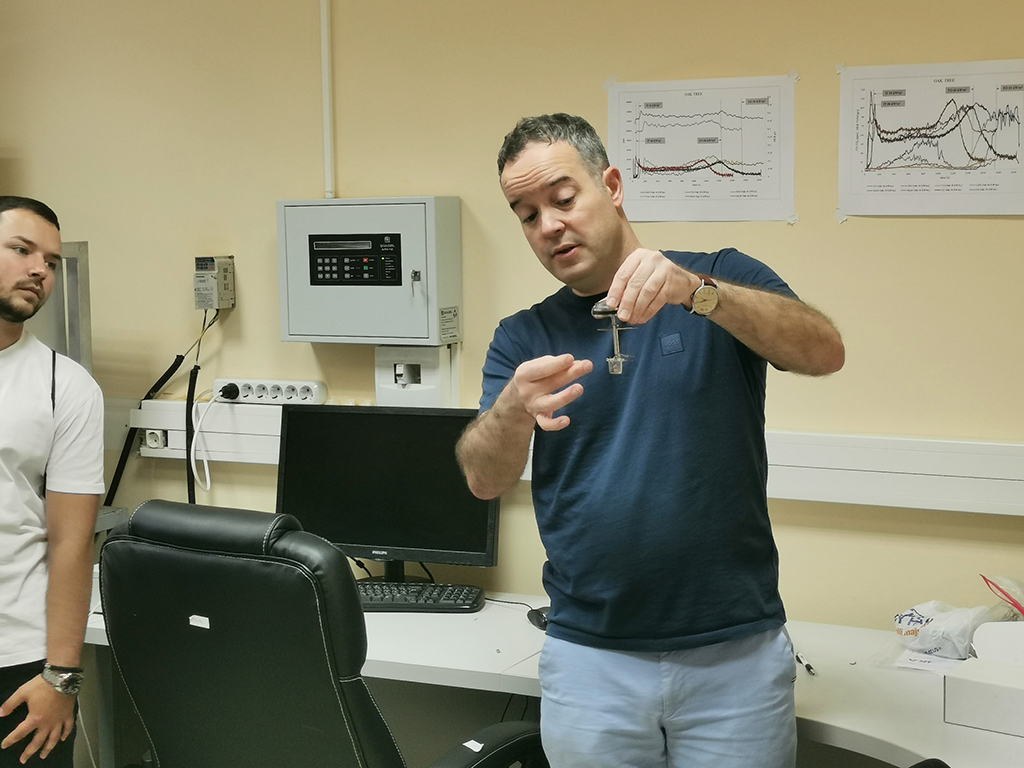
Later that day, a group of students visited the Fire Protection Laboratory at the Faculty of Occupational Safety, University of Niš. During the visit, they actively participated in laboratory experiments, gaining hands-on experience in testing the fire properties of various materials. This practica.l work provided valuable insight into material behavior under fire conditions, as well as an introduction to standard testing methods and procedures.


23.05.2024.
Lecture: Hazards and Consequences in Industry (Part 1)
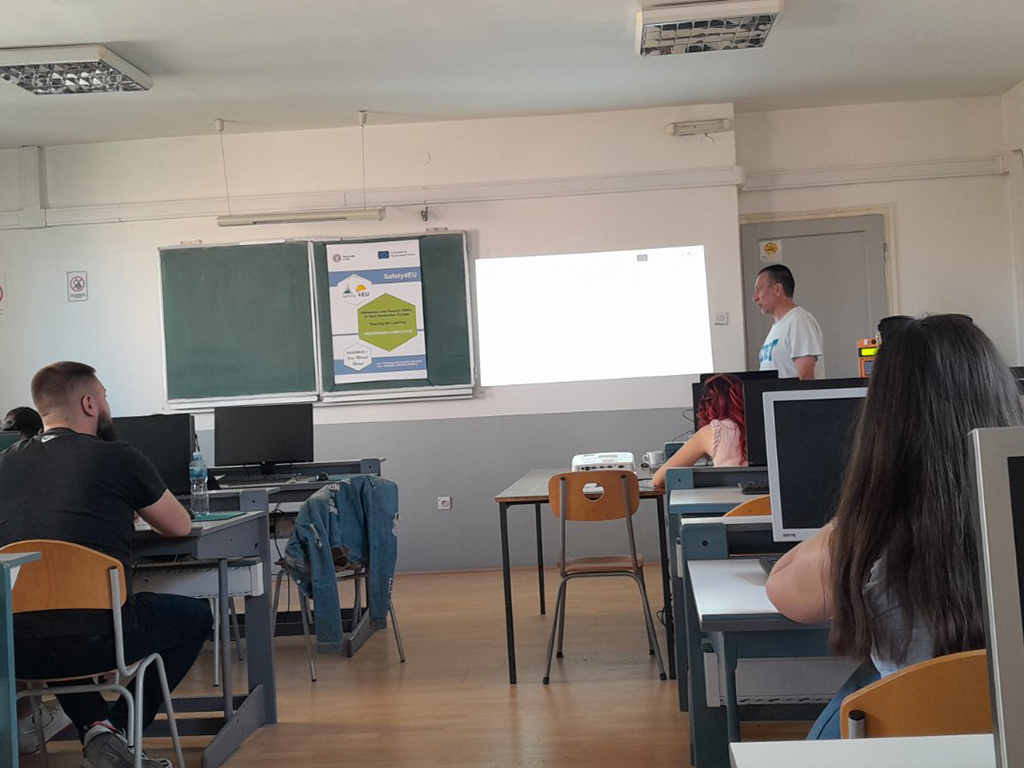
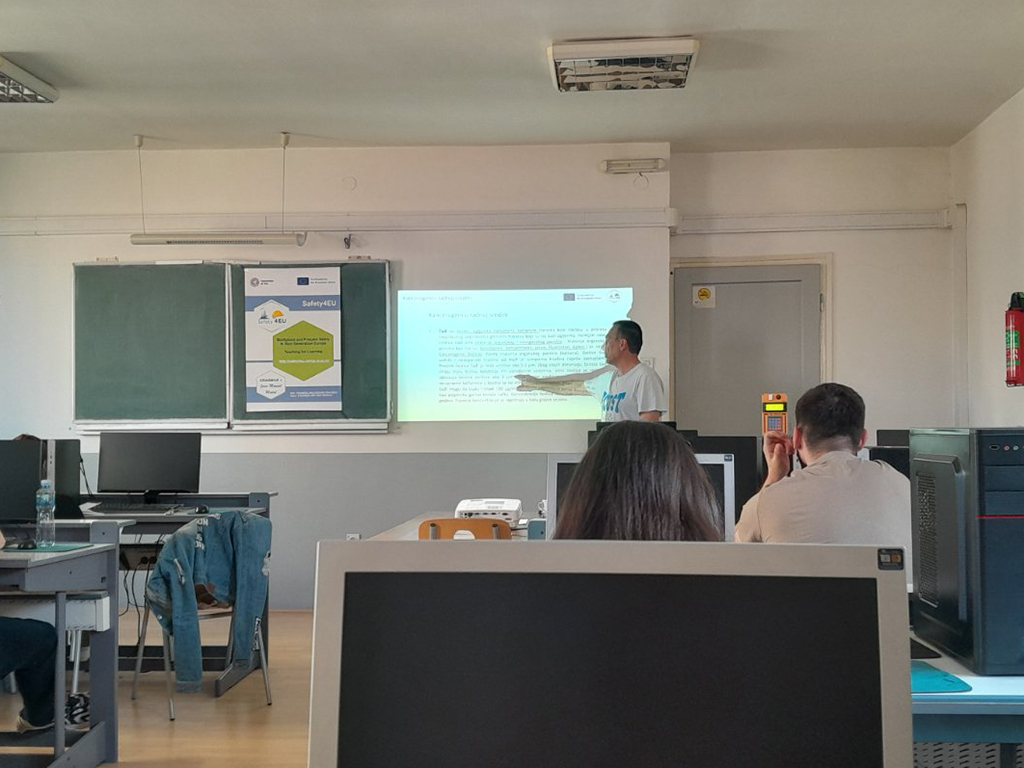
The first part of the lecture “Hazards and Consequences in the Industry,” was delivered by Prof. Milan Protić on May 23, 2024. He introduced the fundamental concepts of industrial hazards, with a focus on physical risks such as fires and explosions. It also covered the basic principles of thermodynamics, thermochemistry, heat transfer, and fluid dynamics as a foundation for further study.


21.05.2024.
Lecture: Sources and Dispersion Models (Part III)
The final part of the lecture “Sources and Dispersion Models” was presented by Prof. Milan Protić on May 21, 2024. The lecture highlighted how these approaches support risk assessment, emergency planning, and more effective decision-making in industrial safety systems.


16.05.2024.
Lecture: Sources and Dispersion Models (Part II)
The lecture “Sources and Dispersion Models” continued on 16 May, with Prof. Miomir Raos leading a session. The lecture also addressed different types of industrial incidents beyond oil and chemical substances, including accidents related to chemical reactions, transportation incidents, and environmental incidents involving the release of toxic substances. It highlighted the importance of analyzing both past events (retrospective analysis) and forecasting future risks to improve process safety systems. Special attention was given to understanding how such incidents occur, their consequences, and the need for preventive measures to reduce environmental and industrial hazards.


14.05.2024.
Lecture: Sources and Dispersion Models (Part I)
The lecture “Sources and Dispersion Models” was introduced by Prof. Milan Protić on May 14, 2024. The lecture focused on the use of modeling tools in process safety for predicting and managing hazardous material releases. It introduced source models for estimating the rate and duration of chemical or gas releases during accidents, as well as dispersion models used to predict how released substances spread through the environment. In addition, consequence models were discussed to assess the potential environmental and human health impacts of such incidents.


09.05.2024.
Lecture: Introduction to Machine Learning
in Workplace and Process Safety (Part II)
As a follow-up, the second session of the lecture “Introduction to Machine Learning in Workplace and Process Safety” was delivered by Prof. Milan Protić on May 9, 2024.
This session emphasized the practical application of machine learning models in solving workplace and process safety problems. Using Python, students implemented models based on real datasets, gaining hands-on experience in applying machine learning techniques to safety-related scenarios.


07.05.2024.
Lecture: Introduction to Machine Learning
in Workplace and Process Safety (Part I)
On 7 May 2024, the first part of the lecture “Introduction to Machine Learning in Workplace and Process Safety” was held by Prof. Milan Gocić. The lecture provided a broad introduction to machine learning and its applications in the workplace and process safety. Students learned how machine learning toolkits and public datasets, followed by an overview of basic theoretical concepts that form the foundation for practical implementation.


25.04.2024.
Lecture: Data Analysis, Programming & Interpretation – Part III
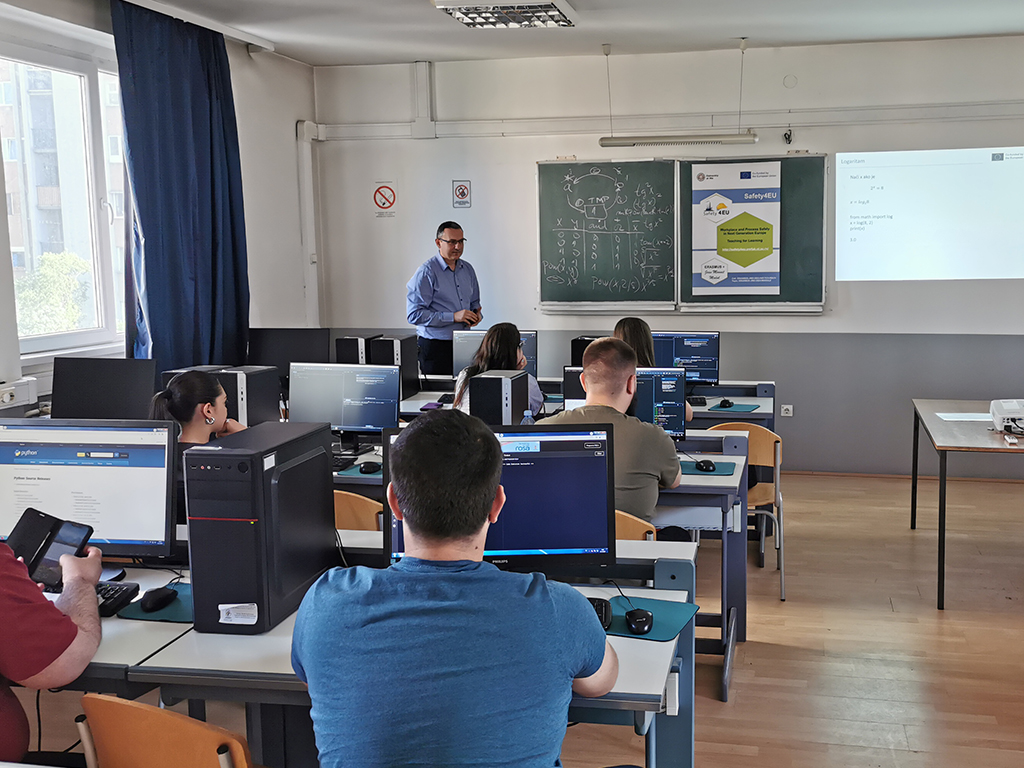
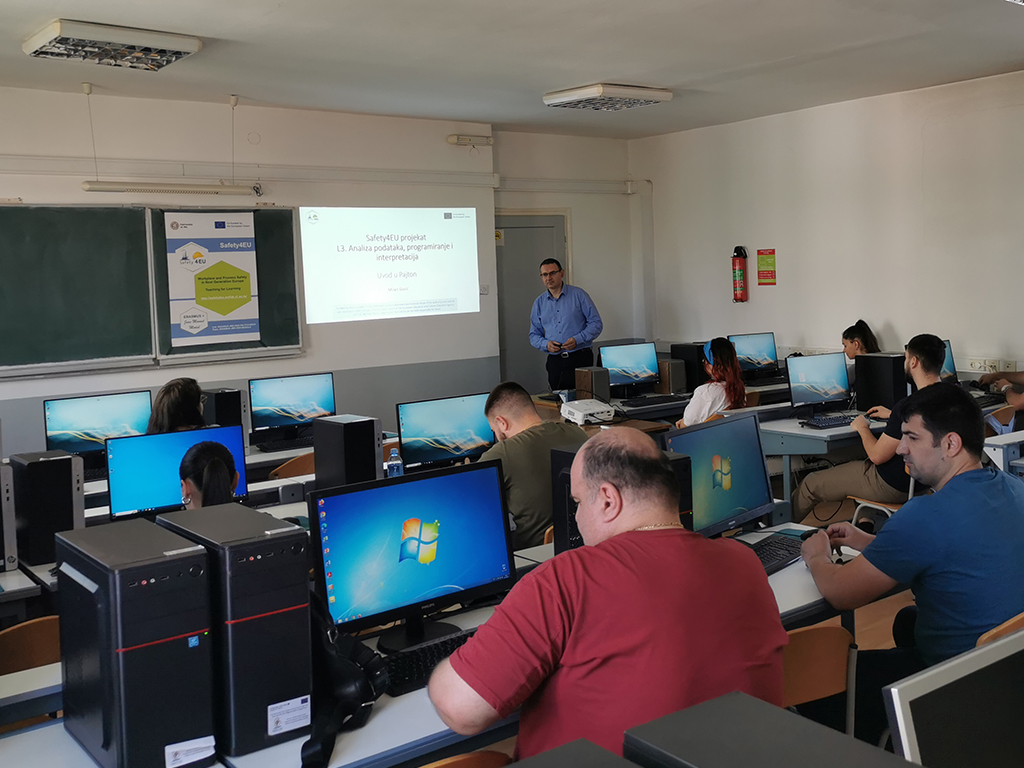
The final session of the lecture “Data Analysis, Programming & Interpretation” was held on 25 April by Prof. Milan Gocić. This concluding session focused on advanced topics such as graphical outputs, user interface development, and the application of extensive Python libraries. Students were also introduced to the fundamentals of MySQL databases, rounding off the course with a comprehensive overview of applied scientific programming skills.


23.04.2024.
Lecture: Data Analysis, Programming & Interpretation – Part II
On 23 April, the lecture “Data Analysis, Programming & Interpretation” continued as a follow-up to the previous session, delivered by Prof. Milan Gocić.
This part of the course focused on practical programming concepts, including working with formulas, loops, lists, user input, and error handling. Students further strengthened their skills in computational problem-solving using Python-based tools.


18.04.2024.
Lecture: Economic Aspects of Workplace and Process Safety
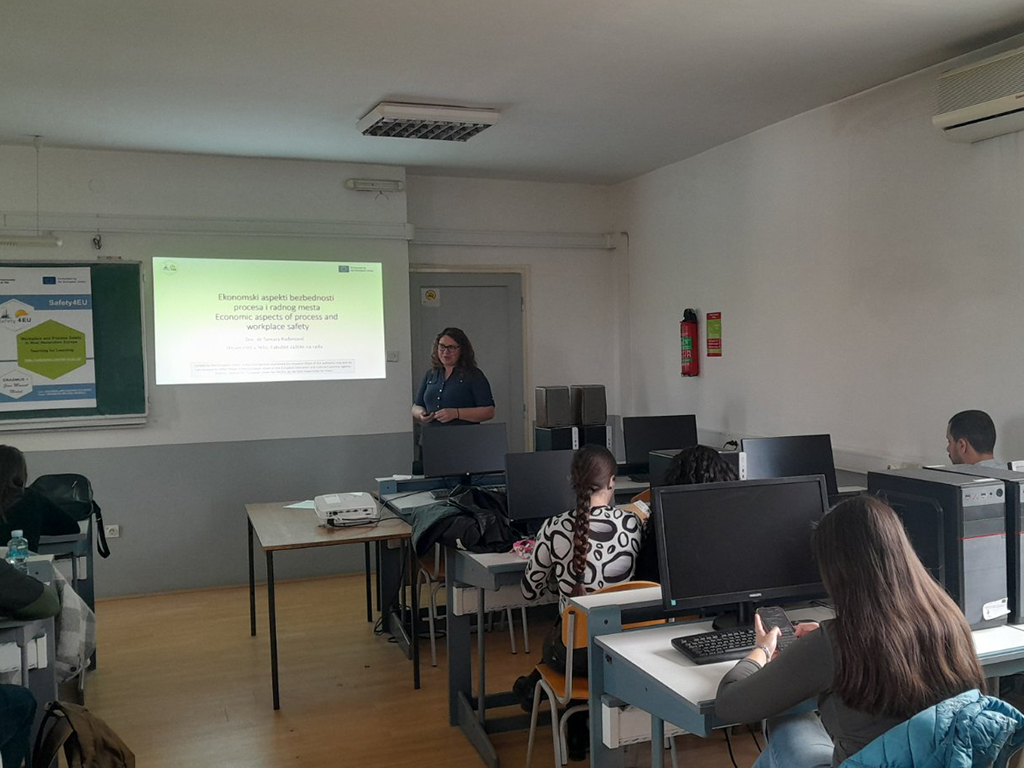
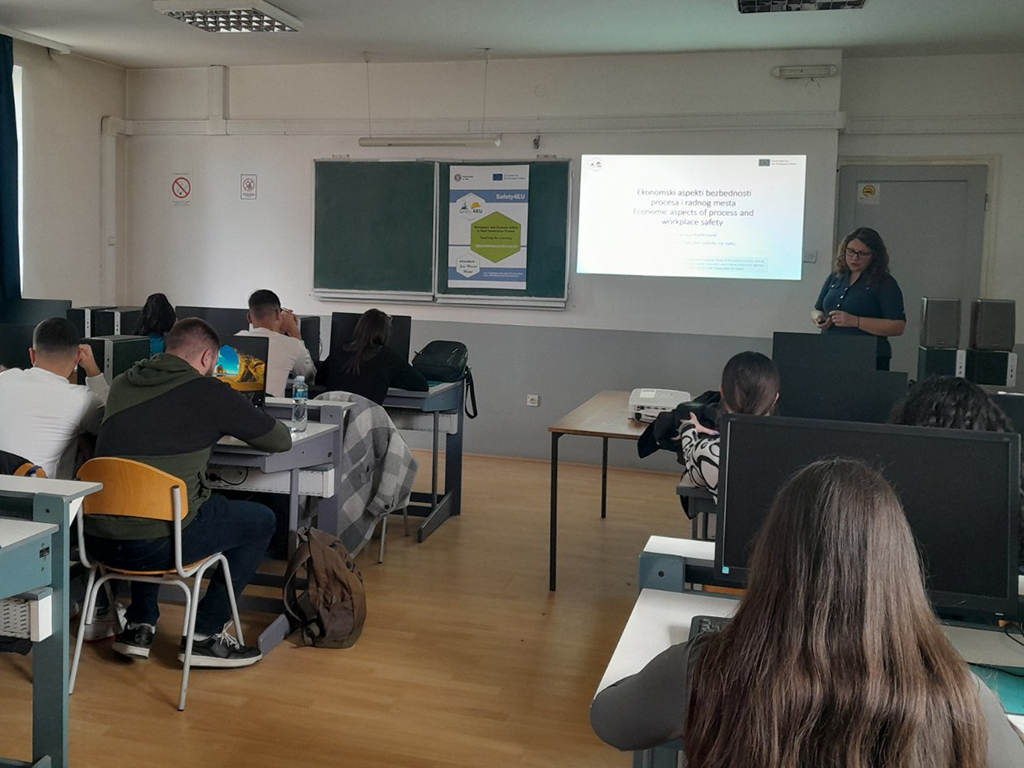
Prof. Tamara Rađenović held a lecture titled “Economic Aspects of Workplace and Process Safety” on April 18, 2024. She explored the significant economic burden associated with occupational injuries, work-related diseases, and fatalities, affecting individuals, employers, governments, and society as a whole. Based on estimates from the European Agency for Safety and Health at Work, these costs account for a substantial share of global GDP, with variations depending on industrial structure, regulatory frameworks, and prevention policies.
Students were introduced to the main categories of costs, including productivity losses, healthcare expenses, quality of life impacts, administrative costs, and insurance-related expenditures. The lecture also emphasized the economic advantages of effective process safety management systems and discussed incentive mechanisms that encourage investment in workplace risk prevention.


11.04.2024.
Lecture on Data Analysis, Programming & Interpretation – Part I
On 11 April 2024, the lecture “Data Analysis, Programming & Interpretation” was held by Prof. Milan Gocić. This session introduced students to scientific programming skills intended for use in advanced coursework. The focus was placed on Python, Jupyter Notebook, and MathCAD, along with fundamental concepts such as object-oriented programming, algorithm analysis, basic data structures, and recursion.


09.04.2024.
Lecture: On-line Workplace Monitoring for Harmful Substances
On 9 April, a lecture titled “On-line Workplace Monitoring for Harmful Substances (Especially Carcinogenic)” was delivered by Dr. Viša Tasić. The lecture addressed the significant health risks associated with occupational exposure to carcinogenic substances in the EU and introduced the EU roadmap on carcinogens, which focuses on identifying and reducing such risks in the workplace. It highlighted the importance of real-time monitoring, which is currently limited due to high costs and technical constraints.
Students were introduced to the concept of IoT-based systems using low-cost sensors and affordable hardware platforms such as NodeMCU, Arduino, and Raspberry Pi for real-time monitoring of workplace pollutants. The session also covered system architecture, working principles, calibration, data acquisition, and visualization, emphasizing the importance of ensuring data quality in low-cost sensing applications.


04.04.2024.
Lecture: Process Safety - Learning from Case Histories
On April 4, 2024, a lecture titled “Process Safety - Learning from Case Histories” was held by project coordinator, Prof. Milan Protić. The focus was on the importance of learning from past accidents and incidents to improve process safety. Through case studies, it highlighted how robust safety management systems help identify and reduce hazards, and how human factors such as poor communication, inadequate training, and complacency can contribute to unsafe events. The lecture emphasized the value of continuous learning in preventing future incidents and improving workplace safety.


02.04.2024.
Lecture: Psychosocial Risks at the Workplace (Part II)
The second part of the lecture “Psychosocial Risks at the Workplace,” was held on 2 April by Prof. Snežana Živković. This session further explored the key factors that contribute to psychosocial risks, including work environment, social support, and individual characteristics. Students also explored methods for identifying and assessing these risks, as well as strategies for their prevention and mitigation at both individual and organizational levels. The lecture further highlighted best practices for promoting mental health and well-being in the workplace.


28.03.2024.
Lecture: Psychosocial Risks at the Workplace (Part I)
The first part of the lecture “Psychosocial Risks at the Workplace” was delivered on 28 March by Prof. Snežana Živković.
The students were introduced to the concept of psychosocial risks, focusing on social and psychological factors that can affect workers’ physical and mental health. It covered definitions and examples of psychosocial risks, as well as their impact on overall well-being in the workplace.


26.03.2024.
Lecture: Ergonomic Risks (Part II)
Prof. Evica Jovanović continued the topic in the second part of the lecture “Ergonomic Risks” on March 26, 2024. This session explored different types of ergonomic risks in greater detail and highlighted their practical implications in various working environments. Special attention was given to real-world case studies and examples of successful ergonomic risk management practices across different industries.


21.03.2024.
Lecture: Ergonomic Risks (Part I)
The first part of the lecture “Ergonomic Risks” was delivered by Prof. Evica Jovanović on March 21, 2024. The session introduced students to the EU Strategic Framework on Health and Safety at Work (2021–2027), which places special emphasis on ergonomic and psychosocial risks. It provided an overview of ergonomic risks and their impact on workers’ health and safety, with a focus on risks related to workstation design, repetitive tasks, and the use of poorly designed tools and equipment.


19.03.2024.
Lecture: Quantitative Risk Assessment (Part II)
On 19 March, the continuation of the lecture titled “Quantitative Risk Assessment” was held by Prof. Ana Vukadinović. This session included methods used in advanced risk analysis and decision-making. It covered quantitative risk analysis and the application of probability theory in assessing uncertainty. Special attention was given to the Bow-Tie method for visualizing causes and consequences of hazardous events, as well as the Monte Carlo simulation technique for modeling risk scenarios through repeated random sampling. Additionally, the Delphi technique was presented as a structured expert-based method for reaching consensus in risk evaluation and forecasting.


15.03.2024.
AVEVA Supports Safety4EU Module
at the Faculty of Occupational Safety
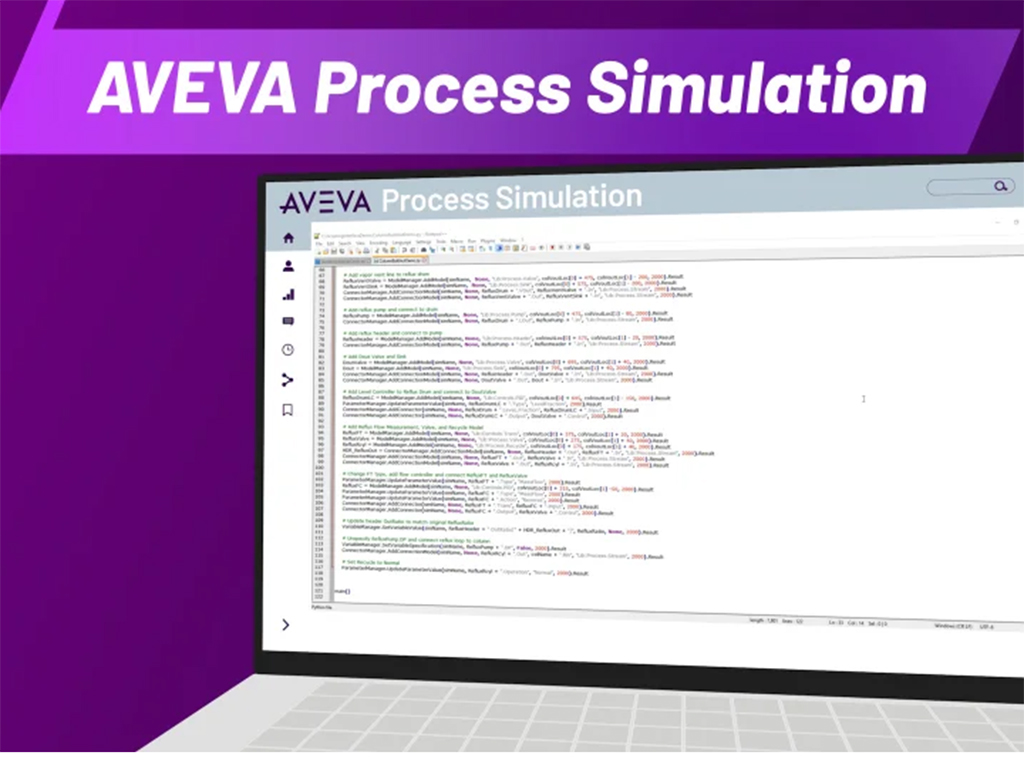
As part of the Safety4EU module, the Faculty of Occupational Safety has strengthened its academic resources through a 2024 collaboration with AVEVA. Within this initiative, the Faculty was granted access to the AVEVA Process Simulation Full Functionality Bundle (ALS), including 20 concurrent user licenses.
This advanced industrial software enables students and researchers to work with professional tools for process modeling and optimization used in modern engineering practice.
By integrating these tools into the Safety4EU module, the Faculty further enhances practical training and supports the development of skills needed for contemporary safety and engineering challenges across Europe.


14.03.2024.
Roundtable at the University of Niš
Roundtable on Workplace and Process Safety Trends at the University of Niš
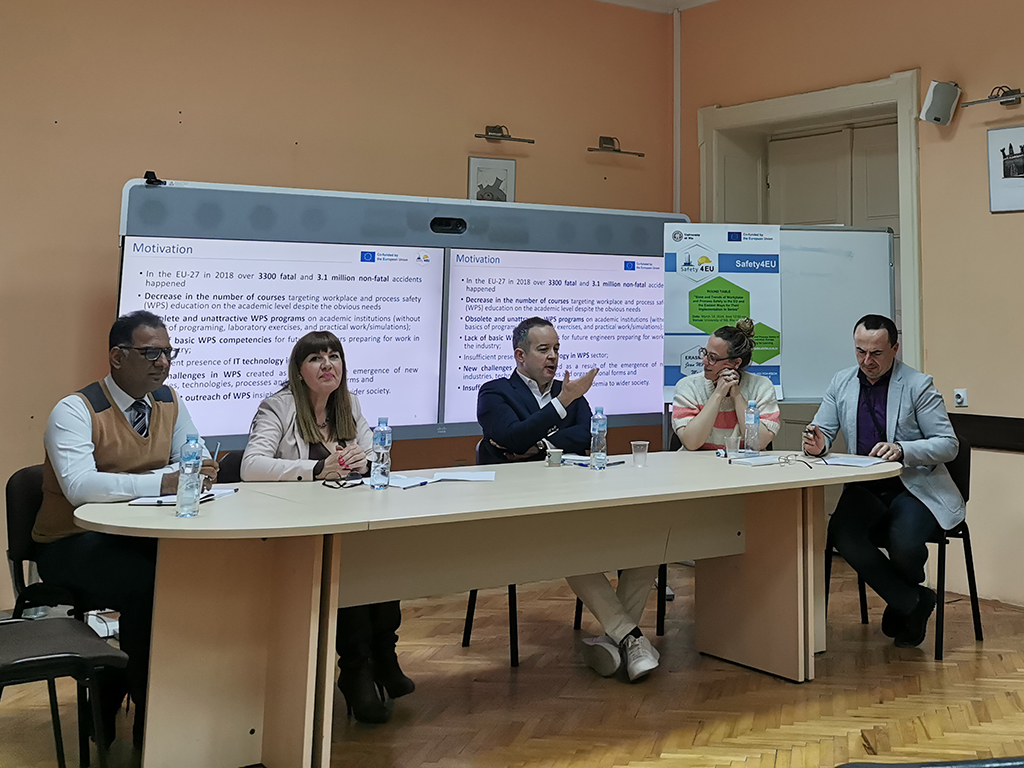
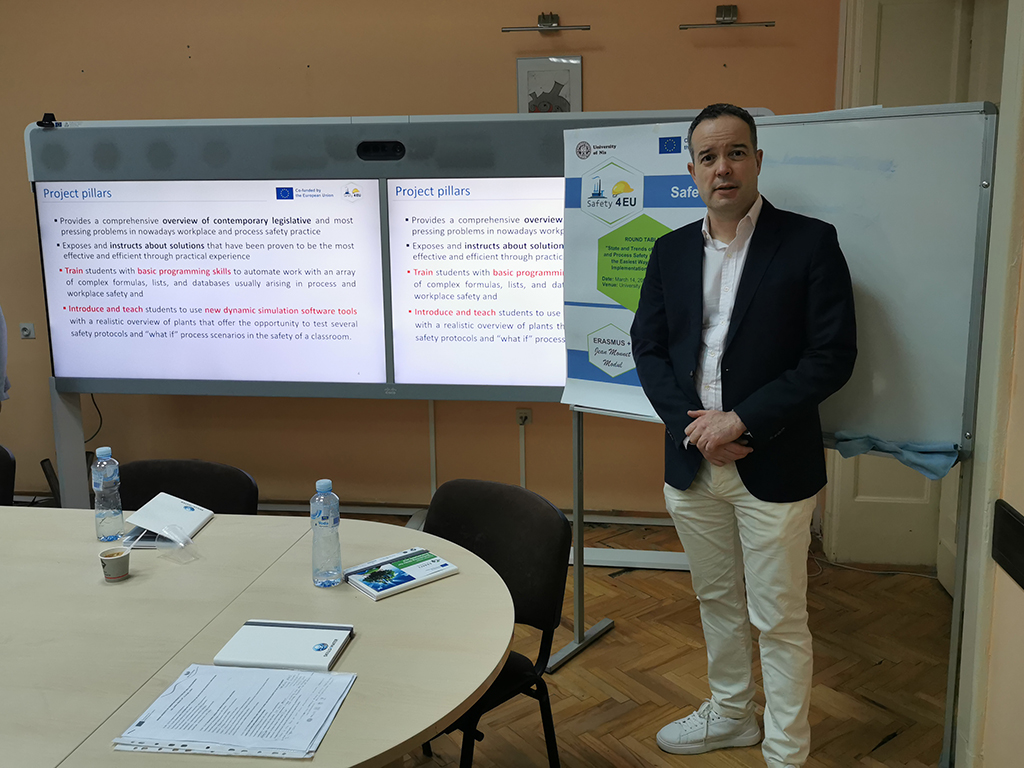
The University of Niš hosted a roundtable titled “State and Trends in Workplace and Process Safety in the EU and Pathways for Their Implementation in Serbia” on 14 March 2024.
During the event, Prof. Milan Protić presented the Safety4EU project, outlining its objectives, structure, and role in advancing education in workplace and process safety across Europe. The discussion highlighted the importance of aligning national practices with evolving EU safety regulations to ensure compliance and enhance worker protection.


14.03.2024.
Evica Lecture
Lecture: : Quantitative Risk Assessment (Part I)
On 14 March 2024, the first part of the lecture “Quantitative Risk Assessment” was delivered by Prof. Evica Jovanović.
The lecture covered key concepts in risk management, including the definitions of hazard, risk, and danger, as well as the principles of risk managemet. It also addressed the risk management framework, including risk context establishment, risk identification, risk analysis, risk evaluation, and risk treatment. Special attention was given to risk assessment tools such as the risk matrix and methods for risk monitoring. In addition, the lecture introduced advanced techniques like event tree analysis for understanding possible outcomes and improving decision-making in safety management.


13.03.2024.
Safety4EU Module Presented to Second-Year Students at the Faculty of Occupational Safety in Niš
On March 13, 2024, the course coordinator, Prof. Milan Protić, presented the Safety4EU module to second-year students attending the course Technical Materials at the Faculty of Occupational Safety in Niš, introducing its main objectives, structure, and key areas of focus within the framework of European safety and integration studies.


12.03.2024.
Lecture on Legislative Framework for Workplace
and Process Safety – Part II
Building on the topics introduced in the previous lecture, the lecture series continued with a session of the lecture on Legislative Framework for Workplace and Process Safety delivered by Prof. Srđan Glišović on March 12, 2024. This lecture further explored key aspects of the EU framework for workplace and process safety, with additional emphasis on regulatory requirements, risk management practices, and their practical application across different industrial sectors.


07.03.2024.
Lecture: Legislative Framework for Workplace
and Process Safety – Part I
The lecture “EU Legislative — Workplace & Process Safety” was introduced by Prof. Dejan Vasović on March 7, 2024. The lecture introduced students to the contemporary EU legal framework for ensuring safe and healthy working conditions. The lecture focuses on linking occupational safety and environmental protection with overall industrial process activities, particularly in the areas of industrial emissions management and accident prevention. The aim is to improve knowledge and develop practical skills in process safety related to IPPC/IED operators and Seveso III installations.


05.03.2024.
Launch of the Safety4EU Module: Introductory Lecture on European Integration
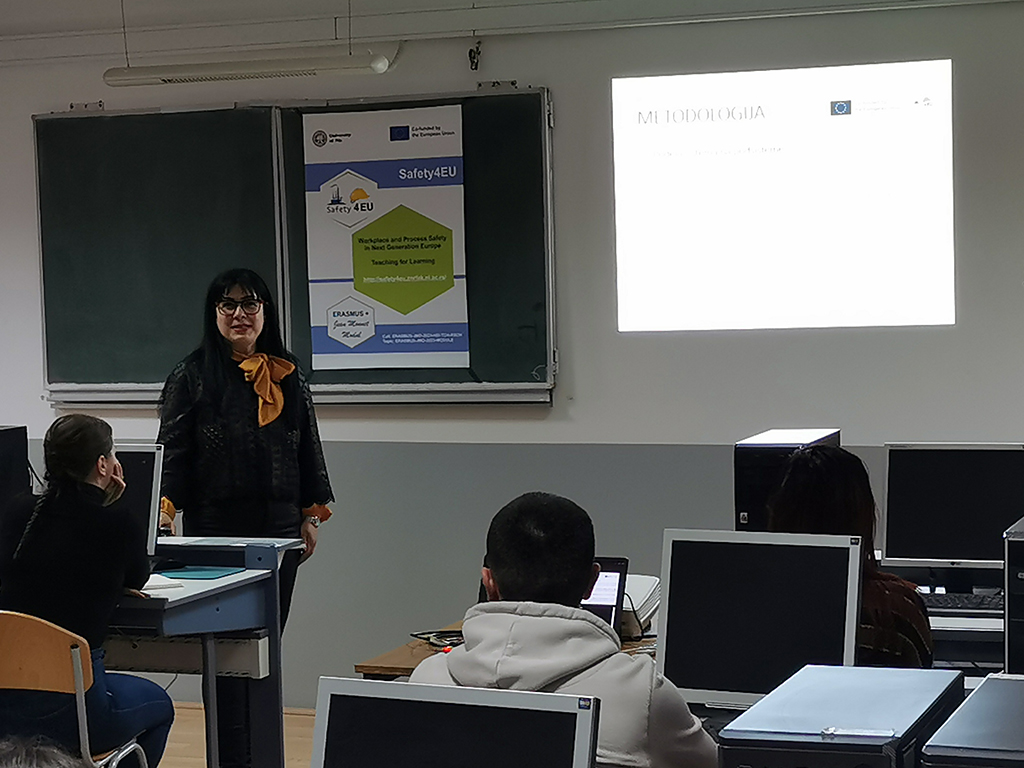
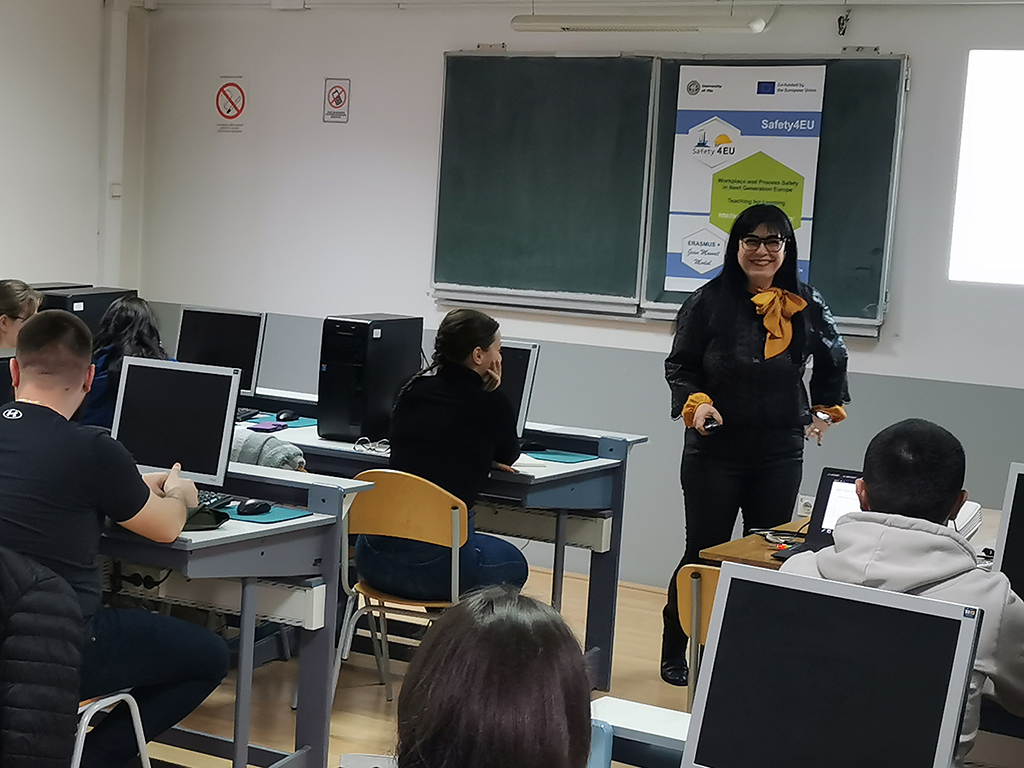
On 5 March 2024, the Safety4EU module officially started at the Faculty of Occupational Safety, University of Niš, marking the beginning of lectures for the first generation of students enrolled in this module. Project Coordinator Prof. Milan Protić presented an overview of the course, outlining its structure, objectives, and implementation strategy to students and young professionals. The first lecture, titled “Introduction to European Integration,” was delivered by Prof. Tamara Rađenović. The lecture provided an interdisciplinary overview of European integration, highlighting its social, political, economic, and legal dimensions. It also introduced key EU institutions, legislation, and the enlargement process, with a focus on their structure and future development.


22.02.2024.
Safety4EU Project Presented at DGTRANS Interproject Coach Meeting
As part of the interproject coach meeting within the Erasmus+ project Transport of Dangerous Goods – Modernization of Curricula and Development of Training for Professionals in the Western Balkans HEIs (DGTRANS), held on 22 February 2024, Project Coordinator Prof. Milan Protić presented the Safety4EU project and project staff members.


28.12.2023.
Call for Applications for Jean Monnet Module “Safety at Work and in Technological Processes in Next-Generation Europe (Safety4EU)”
The Faculty of Occupational Safety in Niš announces a call for applications for enrollment in the Jean Monnet Module “Safety at Work and in Technological Processes in Next-Generation Europe (Safety4EU)”. The module is designed to provide students with advanced knowledge and understanding of contemporary approaches to safety in work and technological environments within the European context. For more information and application details, please refer to Конкурс за упис полазника на Жан Моне модул "Безбедност на раду и у технолошким процесима у Европи следеће генерације - Safety4EU" - Универзитет у Нишу
Funded by the European Union. Views and opinions expressed are however those of the author(s) only and do not necessarily reflect those of the European Union or the European Education and Culture Executive Agency (EACEA). Neither the European Union nor EACEA can be held responsible for them.